Glioma Treatment in Turkey
- Top Accredited Hospitals
- Global Medical Standards
- Cutting-Edge Technology
- Proven Treatment Options
- High Success Rate
- Trusted by Millions

What is Glioma?
Gliomas are tumour growths of cells that arise in the spinal cord or brain. Glioma cells are similar to glial cells, which are healthy brain cells. Glial cells support and encompass nerve cells in their function.
A glioma becomes a tumour, which is a collection of cells. The tumour growth can compress the brain or spinal cord, causing symptoms. The location of the affected part of the brain or spinal cord determines the symptoms.
There are many kinds of gliomas. Some are not considered to be malignancies and develop slowly, while others are considered to be malignancies. Malignant is another term that means cancerous. Malignant gliomas can invade normal brain tissue and grow very quickly. Some gliomas are more prevalent in adulthood, while others only occur in children.
Types of glioma
The type of glial cells from which gliomas develop determines their classification. The main glioma types are as follows:
Astrocytoma: This originates from astrocytes, which are star-shaped glial cells. They consist of low-grade tumours, which are less malignant, and high-grade tumours, which are more malignant.
Oligodendrogliomas: Oligodendrocytes, the cells that originate oligodendrogliomas, form the myelin sheath that envelops nerve fibres. These tumours tend to develop more slowly.
Ependymomas: The ependymal cells lining the ventricles of the brain and spinal cord lead to ependymomas. Adults and children can develop them.
Glioblastoma (GBM) is among the most vicious and lethal of brain tumours and is a highly malignant and aggressive type of astrocytoma.
What is the Importance of Timely Treatment?
Glioma should be treated as early as possible to enhance outcomes and quality of life. Early management can achieve minimal symptoms, reduced tumour growth, and potentially enhanced effectiveness of chemotherapy, radiotherapy, and surgery. Delaying treatment may make the disease more challenging to manage by increasing pressure in the brain, exacerbating neurological deficits, and enhancing tumour growth. Early treatment may improve the options for personalised treatment, which may strengthen long-term survival.
What are the Common Symptoms of Glioma?
The location of a glioma determines its symptoms. The glioma's size, type, and growth rate may also affect the symptoms.
- Headache, especially one that is most painful in the morning.
- Vomiting, and nausea.
- Confusion or deterioration in brain function, including issues with information comprehension and thought processes.
- Loss of memory.
- Alterations in personality.
- Double vision, blurred vision, or loss of peripheral vision.
- Speech issues.
- Seizures
Causes and Risk Factors of Glioma
Causes
Studies have shown that gliomas and other spinal cord and brain cancers result from DNA alterations. DNA is found in our genes, which dictate how cells divide and grow. If the DNA of our genes mutates, cells can grow uncontrollably.
Your parents can pass down genetic mutations. They can also co-occur while you're alive.
Risk Factors
- Age
- Family history
- Radiation exposure
- Environmental factors
- Weakened immune system
Connect with our advisor for a PRIORITY response
Latest Research and Technologies in the Treatment of Glioma in Turkey
Current research in Turkey has significantly improved the treatment of gliomas, particularly glioblastoma multiforme (GBM). A trial of 137 GBM patients reported median progression-free and overall survival times of 8.57 and 12 months, respectively, emphasising the importance of improving treatments. Another Turkish study analysed the results of glioblastoma patients after a decade and emphasised the country's commitment to enhancing glioma treatment.
Treatment options for Glioma
Brain Cancer Treatment: Depending on the type, size, and location of the tumour, glioma is usually treated with a combination of chemotherapy, radiation therapy, and surgery.
Cost Start From USD 8650 - USD 29000Explore Options
Surgery: The first step in treating gliomas is typically to remove the tumour. If the glioma is eliminated, surgery may be the only necessary treatment.
Chemotherapy: Chemotherapy medications are used to kill tumour cells. Chemotherapy drugs are usually given intravenously or orally. Chemotherapy may sometimes be given directly to the glioma cells.
Cost Start From USD 7420 - USD 30000Explore Options
Radiation Therapy: Radiation destroys tumour cells with high-energy beams. The energy source can be protons, X-rays, or something else. After surgery, radiation therapy is often employed to treat gliomas. The radiation kills the leftover glioma cells after surgery. Radiation and chemotherapy are usually combined.
Targeted Therapy: Targeted therapy treatments focus on specific substances in cancer cells. Targeted therapy treatments can kill cancer cells by inhibiting these substances.
Cost Start From USD 7500 - USD 12000Explore Options
- Neurological Exam: A detailed neurological and physical exam to assess for symptoms like weakness, changes in vision, or coordination difficulty.
- MRI is the most common method of imaging used for glioma detection. It can take detailed brain pictures and determine the size, position, and type of tumours.
- Computed tomography (CT) scans are occasionally substituted for MRIs but are not as detailed.
- Biopsy: A tumour tissue biopsy is taken for laboratory analysis to determine the type and grade of the gliomas.
- PET scans (positron emission tomography) are sometimes combined to assess tumour metabolism and assist with therapy planning.
MediRehab (chain of Rehab centres - Part of MediGence) provides comprehensive rehabilitation services rehabilitation services to support patients through Teleconsulations and online therapy sessions.
- Physical Therapy: To enhance mobility, strength, and coordination, particularly if the tumour or surgery has impacted motor function.
- Occupational Therapy: Assists patients in recovering the skills to do daily tasks and enhance fine movements, including dressing, eating, and writing.
- Speech Therapy assists in the recovery of speech and swallowing function if the glioma or its treatment has impaired these functions.
- Cognitive Rehabilitation helps patients cope with memory, attention, and other mental processes affected by the tumour or treatment.
- Depending on the situation, your healthcare professional may prescribe medicine to help control your symptoms and support the treatment plan.
Instantly Connect with our Specialists


Hospitals for Glioma in Turkey
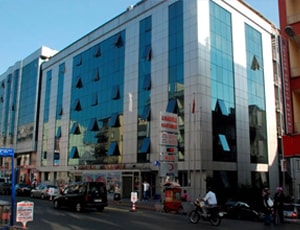
Eregli Anadolu Hospital
Zonguldak, Turkey
Apart from in-detail treatment procedures available, Eregli Anadolu Hospital located in Zonguldak, Turkey has a wide variety of facilities available for International Patients. Some of the facilities which are provided by them are Accommodation, Airport Transfer, Choice of Meals, Interpreter, SIM, TV inside room. Also listed below are some of the most prominent infrastructural details:
- Latest cutting edge technology applied in the diagnostic and medical treatment equipment and processes.
- Complex and critical conditions have been treated by the hospital over time.
- Inbuilt area is 9000 square meters
- 130 inpatient bed capacity
- 30 physicians working in the hospital
- A number of polyclinics
- Diagnostic facilities such as with imaging, sleep labs, biochemistry labs
- Emergency rooms available
- Intensive care units for critical cases
- Operation theatres with latest facilities

Medical Park Ordu Hospital
Ordu, Turkey
Apart from in-detail treatment procedures available, Medical Park Ordu Hospital located in Ordu, Turkey has a wide variety of facilities available for International Patients. Some of the facilities which are provided by them are Accommodation, Airport Transfer, Choice of Meals, Interpreter, SIM, TV inside room. Also listed below are some of the most prominent infrastructural details:
- A total inpatient bed availability of 206 beds including 38 patient observation
- 47 Intensive Care Beds
- 19 beds in General Intensive Care Unit
- 10 in Coronary Intensive Care Unit
- 6 in Cardiovascular Intensive Care Unit
- 12 in Neonatal Intensive Care Unit
- Medical Oncology Unit
- Cardiovascular Unit
- Sleep Laboratory
- Emergency ward- comprises a CPR room, a first response room, a wound dressing room, a short stay unit, and private observation rooms that protects privacy
- Observation Rooms
- 6 full-fledged operating theaters, including 1 reserved for Cardiovascular Surgery operations
- Every room is furnished with every detail to provide a comfortable stay for patients, such as nurse call system, computer access system, and controllable patient bed in each room
- Suite rooms that are specially designed for patients with infectious diseases and ensure the required isolation, are put at the disposal of patients in the hospital's inpatient ward

VM Medical Park Bursa Hospital
Bursa, Turkey
Apart from in-detail treatment procedures available, VM Medical Park Bursa Hospital located in Bursa, Turkey has a wide variety of facilities available for International Patients. Some of the facilities which are provided by them are Accommodation, Airport Transfer, Choice of Meals, Interpreter, TV inside room. Also listed below are some of the most prominent infrastructural details:
- Covers an area of 55,000 sqm
- Capacity of 270 beds
- 10 Operating rooms
- 83 intensive care beds
- Helipad for Emergency Transfers
Our Services to better your experience
Opinion & Option
We submit the most accurate opinion and options from one or more countries for your review
Consult Privately
Consult with a certified specialist privately on our telemedicine platform even before you decide to travel
Logistics
We handle flights, visas, transfers, and accommodation—so you can focus on your health.
Recovery
Our In-house rehabilitation service packages to better your recovery and treatment outcome
Why Choose Turkey for Glioma Treatment?
Turkey is an ideal location to treat gliomas as it provides the latest immunotherapies under initiatives such as the TTCI and advanced surgical techniques such as awake craniotomy for precise tumour removal. Turkey provides glioma patients with effective and personalised treatment because of its highly trained physicians, state-of-the-art facilities, and affordable healthcare.
Frequently Asked Questions
The following are the main differences between high-grade and low-grade gliomas:
- Low-gradegliomas, typically grade I or II, are less aggressive, grow more slowly, and have a better prognosis.
- High-grade gliomas, like glioblastoma, are often graded as grade III or IV because they are more malignant and develop rapidly.
Surgery is often recommended in Turkey for treating gliomas, particularly if the tumours are removed safely. However, other therapies such as radiotherapy, chemotherapy, or immunotherapy may also be considered, often in addition to surgery, to achieve the best results, depending on factors such as tumour size, location, and the patient's health. Treatment for each patient is tailored to suit their individual needs.
Gliomas may recur after treatment. Recurrence depends on several factors, such as the location, grade, and type of the glioma. Due to their aggressive nature, glioblastoma and other high-grade gliomas are more likely to recur. Despite successful initial treatment, glioma cells might remain in the brain, which may result in the tumour's recurrence.
The tumour grade, location, type, and overall patient health influence the glioma survival rate in Turkey. More aggressive tumours, like glioblastoma, may have a lower survival rate, though current advances in immunotherapy, radiation, and surgery have promising results. The treatment plan for each patient is personalised to ensure the best possible prognosis, and early detection and individualised treatment significantly enhance survival rates.
The following lifestyle modifications can help in the management of glioma symptoms:
- Regular, moderate exercise can enhance strength, decrease fatigue, and increase general well-being.
- A well-balanced diet containing plenty of fruits, vegetables, and whole grains can improve overall well-being, enhance energy levels, and boost the immune system.
- The relaxation skills of meditation, deep breathing, or yoga can be used to minimise stress and anxiety.
- Resting properly and getting quality sleep assists in managing tiredness and facilitating the body's healing process.
- Prescribed pain medications and complementary therapies like massage or acupuncture can help control discomfort.
- Participation in cognitive therapy or support groups can treat cognitive problems and offer emotional support throughout treatment.
Yes, you can get a second opinion on Glioma treatment in Turkey through MediGence. With MediGence, you can connect with highly experienced professionals from top Turkish hospitals who can provide additional information regarding your diagnosis and treatment options. The platform facilitates easy access to professional help so you can make informed healthcare choices and receive the best care possible.
To find a certified cancer specialist, search MediGence’s website, which offers a list of top-class and internationally trained oncologists from Turkey's best hospitals. Through MediGence, you can search the profiles of specialists, check their credentials, reviews, and experience, and book online consultations. To get the best care for your condition, the website also assists you in finding the best hospitals and provides personalised assistance for your health requirements.

Reviewer

Dr. Mohit Agarwal
Medical Oncologist
14 Years of Experience
One of the finest Oncologist in New Delhi, India, Dr. Mohit Agarwal has worked with several world class multidisciplinary hospitals over the years. Dr. Mohit Agarwal has over 14+ years of experience in his field. The doctor treats and manages a wide range of conditions such as Stomach Cancer, Rectal Cancer, Breast Cancer, Brain Cancer View More
Last Reviewed - January 2026