Gallbladder Stone Treatment in Turkey
- Top Accredited Hospitals
- Global Medical Standards
- Cutting-Edge Technology
- Proven Treatment Options
- High Success Rate
- Trusted by Millions

What is a Gallbladder Stone?
Your gallbladder can form hardened deposits of digestive fluid in the form of gallstones. The tiny, pear-shaped gallbladder is on the right side of your stomach, directly beneath your liver. The gallbladder stores bile, a digestive fluid released into the small intestine.
Gallstones are as large as a golf ball or as small as a grain of sand. Even though some individuals develop numerous gallstones at one time, others develop just one.
Surgery to remove the gallbladder is usually required for individuals with gallstone issues. Normally, gallstones with no symptoms do not need treatment.
What is the Importance of Timely Treatment?
Early treatment of gallbladder stones may prevent inflammation (cholecystitis), pancreatitis, jaundice, and even gallbladder cancer. Early treatment improves quality of life, minimises discomfort, and avoids repeated stone formation. It also decreases the risk of infection and ensures improved surgical outcomes if surgery is required. Treating gallstones early can avoid more complex health issues, reduce treatment costs, and facilitate recovery.
What are the Common Symptoms of Gallbladder Stones?
Gallstones may not produce any symptoms at all. The following signs and symptoms may occur if a gallstone gets stuck in a duct and clogs it:
- Sudden and rapidly worsening pain in your upper right abdomen
- Sudden, rapidly worsening pain in the centre of your belly, just below your breastbone
- Pain in the area between your shoulder blades
- Your right shoulder aches.
- Nausea or vomiting
Causes and Risk Factors of Gallbladder Stone
Causes
- There is excess cholesterol in your bile. Ideally, the molecules of your bile are enough to dissolve the cholesterol your liver secretes. However, excess cholesterol can crystallise and become stones if your liver secretes more than your bile can dissolve.
- Your bile contains too much bilirubin. Your body makes bilirubin as a waste product from the breakdown of red blood cells. Liver cirrhosis, biliary tract infection, and some blood diseases are some conditions that lead your liver to make more bilirubin than it should. The excess bilirubin promotes gallstone formation.
Risk Factors
- Being fat or overweight
- Being inactive
- Having a pregnancy
- Consuming a diet rich in fat
- Consuming a diet rich in cholesterol
- Consuming a diet low in fibre
- Having gallstones in your family
- Having diabetes
- Having blood conditions like leukaemia or sickle cell anaemia
- Rapid weight loss
- Using pharmaceuticals for hormone therapy or oral contraceptives that contain estrogen
- Having hepatic dysfunction
Connect with our advisor for a PRIORITY response
Latest Research and Technologies in the Treatment of Gallbladder Stones in Turkey
Management of gallbladder stones has been advanced in recent years in Turkey due to advancements focusing on non-surgical and minimally invasive approaches. Helium lasers have been promising in using laser therapy in shattering small gallstones, making it possible for endoscopic removal with precision. Also, gallstones can be shattered non-surgically using extracorporeal shock wave lithotripsy (ESWL), making it possible for some patients to skip surgery. The most frequent surgical intervention for symptomatic cases is still laparoscopic cholecystectomy, which has benefits such as a reduced recovery time and less scarring.
Gallbladder Stone Prevention Tips
- To prevent gallstones, keep a healthy weight through regular exercise and a balanced diet.
- Eat a diet of fruits, vegetables, whole grains, and fibre to help digestion and decrease cholesterol.
- Steer clear of processed and fatty foods to minimise cholesterol and saturated fats.
- Drink plenty of water to keep your body hydrated and ensure gallbladder function and bile production.
- Regular exercise also improves digestion and helps with weight control.
- Adding healthy fats to your diet, such as omega-3s or olive oil, can help prevent stones and stimulate bile movement. Small, frequent meals also reduce gallbladder pressure and help manage bile production.
Treatment options for Gallbladder Stone
Gall Bladder Removal: A cholecystectomy sometimes requires the doctor to make several small incisions in your abdomen, pass in a small video camera, and employ specialised equipment to remove the gallbladder.
Cost Start From USD 3000 - USD 7500Explore Options
- Clinical assessment:
- Physical Examination: The doctor gently pushes the abdomen to feel for any tenderness, particularly in the right upper quadrant, which may indicate gallstone colic or gallbladder tenderness.
- Imaging Tests:
- Ultrasound: The most commonly employed non-invasive procedure for detecting gallstones is ultrasound.
- Computed Tomography (CT) scan: If problems are suspected or more detailed images are needed, a CT scan can be used. However, it is not as sensitive as ultrasonography for detecting gallstones.
- MRI can look into the bile ducts and gallbladder. A special type called MRCP (Magnetic Resonance Cholangiopancreatography) is advantageous for bile duct stones.
- Endoscopic ultrasonography (EUS) combines ultrasonography with endoscopy. It is often used when regular ultrasonography fails.
MediRehab (a chain of Rehab centres, part of MediGence) provides comprehensive rehabilitation services to support patients through Teleconsulations and online therapy sessions. A few of the services such as:
- DietaryChanges: After surgery, patients may have to follow a low-fat, high-fibre diet to facilitate digestion and prevent digestive issues such as diarrhoea. Gradual food resumption helps the digestive system adjust to the gallbladder's absence.
- Physicalactivity: Light physical activity, like walking, is recommended shortly after the operation to promote circulation, prevent blood clots, and support overall recovery. Strenuous activities should be avoided for a few weeks.
- Depending on the situation, your healthcare professional may prescribe medicine to help control your symptoms and support the treatment plan.
Instantly Connect with our Specialists


Hospitals for Gallbladder Stone in Turkey

Antalya Anadolu Hastanesi
Antalya, Turkey
Apart from in-detail treatment procedures available, Antalya Anadolu Hastanesi located in Antalya , Turkey has a wide variety of facilities available for International Patients. Some of the facilities which are provided by them are Accommodation, Airport Transfer, Choice of Meals, Interpreter, TV inside room. Also listed below are some of the most prominent infrastructural details:
- A technological powerhouse, it provides 24*7 trauma care.
- 4 suites and 54 luxurious rooms
- 3 exceptional operating theatres
- 3 Intensive Care Units
- Efficient and capable healthcare personnel
- Focus on patient care, reasonable prices
- State of the art diagnostics setup
- Recognised for providing integrated care for complex cases and rare cases
- Latest 1.5 Tesla MR, 64 2 Multi-slice Computed Tomography (CT), coronary angiography, and panendoscope
- Treatments such as angioplasty(PTCA), cryotherapy, IVF, ERCP, peritoneoscopy, facial palsies, and electro shock wave lithotripsy are available
- Widely experienced and well educated healthcare professionals are at the forefront of healthcare delivery at the Antalya Anadolu Hospital, Antalya, Turkey

Medical Park Canakkale Hospital
Canakkale, Turkey
Apart from in-detail treatment procedures available, Medical Park Canakkale Hospital located in Canakkale, Turkey has a wide variety of facilities available for International Patients. Some of the facilities which are provided by them are Accommodation, Airport Transfer, Choice of Meals, Interpreter, SIM, TV inside room. Also listed below are some of the most prominent infrastructural details:
- 32 patient rooms
- 2 Operating rooms
- 75 bed capacity
- 24*7 Emergency Service
- Fully equipped Neonatal Care Unit (6 Incubators)
- In-house Pharmacy
- Luxurious rooms for patients designed in such a way that they will feel like at 5-star hotel
- Nurse-call system in rooms
- Cafeteria/Restaurant

Adatip Hospital
Sakarya, Turkey
Adatip International Hospital was founded in Sakarya, Turkey, in 1995. It has been accredited by Turking medical association and ISO Credentials. The hospital has been prepared with a capacity of 450 beds and 16 fully equipped operating rooms. 2 out of these 16 OTs are hybrid and equipped with advanced technology.
It offers affordable healthcare services in all departments while all services are rendered at the same standards and quality. It serves patients through a comprehensive group of healthcare professionals. It responds to the needs of patients based on a holistic approach that considers physical and mental well-being as a whole and offers predictive, preventive, personalized, and therapeutic solutions.
The quality of service is maximized by specialized healthcare professionals, medical collaborations, and technologies. It has specialized departments such as anesthesiology, biochemistry, cardiology, dermatology, ENT, gastroenterology, infectious diseases, neurology, orthopedics, and psychology. The mission is to consider the expectations, needs, responsibilities, and rights of all patients, employees, and companions at each step of the service delivery. The values are to ensure sustainability in improvement and education, provide modern infrastructure, believe in the power of teamwork, present the best health care without sacrificing the quality, honor the principles of organizational social responsibility, use sources efficiently, enrich and protect the sustainable success and the organizational culture, and work in line with scientific and ethic rules.
Our Services to better your experience
Opinion & Option
We submit the most accurate opinion and options from one or more countries for your review
Consult Privately
Consult with a certified specialist privately on our telemedicine platform even before you decide to travel
Logistics
We handle flights, visas, transfers, and accommodation—so you can focus on your health.
Recovery
Our In-house rehabilitation service packages to better your recovery and treatment outcome
Why Choose Turkey for Gallbladder Stone Treatment?
Turkey is a good destination for gallstone treatment because of its low cost of healthcare, quality hospitals, and qualified doctors. The nation has top-class minimally invasive techniques, such as laparoscopic surgery, resulting in reduced recovery periods and little scarring. Turkish hospitals have high success rates in treating gallbladders and have quality post-treatment services, providing successful recovery to patients.
Frequently Asked Questions
Gallstones do not usually go away by themselves. Although some small, asymptomatic stones may cause no problems immediately, they tend to remain in the gallbladder or bile ducts if they are not treated. Some patients with gallstones, however, may not have any symptoms and may not require therapy.
The principal treatment for gallstones is surgery, specifically cholecystectomy or removal of the gallbladder. This can be done in open or laparoscopic (keyhole) surgery. While it is rare, medication such as bile acids can occasionally be given to dissolve small stones. An endoscopic procedure such as ERCP clears stones blocking the bile ducts.
Yes, laparoscopic surgery is the most widely used technique and is generally safe for gallstones in Turkey. It involves fewer cuts, a shorter recovery time, less pain, and less risk of infection than open surgery. While they are rare, issues such as bile duct injury or disease can occur with any procedure. For most gallstone patients, laparoscopic cholecystectomy is considered a highly safe and successful treatment.
In Turkey, recovery after gallbladder surgery (laparoscopic cholecystectomy) is generally short. While complete healing takes four to six weeks, most individuals can return to normal activities within one to two weeks. Patients might experience some aching or discomfort in the initial days, though that tends to be manageable using medications. Following the physician's instructions and guidelines regarding food consumption and activity levels is essential for quick recovery.
Gallstones can be very painful, especially if they block the gallbladder or bile ducts. Biliary colic is discomfort that typically begins in the upper right abdomen and may radiate to the right shoulder or back. The pain lasts from a few minutes to a few hours and is often sudden and severe. Large meals or fatty foods may trigger it.
If gallstones are left untreated, they can lead to serious side effects like pancreatitis, jaundice, infection of the bile ducts (cholangitis), inflammation of the gallbladder (cholecystitis), and, in some cases, gallbladder cancer. Gallstones need to be treated early because these side effects can be severe and even life-threatening.
Extracorporeal shock wave lithotripsy (ESWL) may treat gallstones without surgery. Provided that your gallbladder is normal and your stones are small, you can have this treatment.
ESWL is an outpatient procedure that doesn't require anaesthesia. This method produces shock waves by utilising high-energy sound waves. With enough power, the shockwaves may shatter and dissolve the gallstones.
ESWL could be an effective alternative for patients who cannot undergo surgery.
Once your gallbladder is removed after surgery, you can live without it. The gallbladder stores bile, which assists in fat digestion. After gallbladder removal, the liver makes bile, which goes directly into the small intestine. Some might experience minor digestive problems, like diarrhoea or difficulty digesting fatty foods, but most can lead everyday lives without a gallbladder.
Yes, gallstones may form due to sudden weight loss. Rapid weight loss causes your liver to secrete more cholesterol into the bile, possibly leading to gallstones. This is especially common after weight-loss surgery or on very low-calorie diets. To reduce the risk of gallstones, it is recommended that you lose weight slowly, 1-2 pounds per week.
Yes, it is possible to cure gallstones in Turkey at most large hospitals, especially in laparoscopic or digestive surgery departments. It covers diagnosis, operation, and post-op treatment.

Reviewer
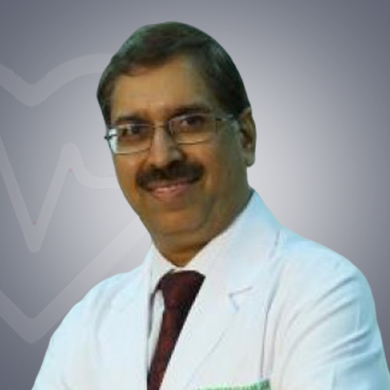
Dr. Pradeep Jain
General & Laparoscopic Surgeon
33 Years of Experience
Dr. Pradeep Jain has completed his MBBS, MS - General Surgery, MCh - Surgical Gastroenterology/G.I. Surgery, and MCh - Surgical Oncology. He is a GastroIntestinal Surgeon, General Surgeon, Surgical Oncologist, Bariatric Surgeon par excellence with total experience of 36 years of which about 33+ years have been as a specialist View More
Last Reviewed - January 2026