Diabetic Retinopathy Treatment in India
- Top Accredited Hospitals
- Global Medical Standards
- Cutting-Edge Technology
- Proven Treatment Options
- High Success Rate
- Trusted by Millions

What is Diabetic Retinopathy?
Diabetic retinopathy, a deadly eye disorder that damages the blood vessels in the retina, is caused by long-term diabetes. It develops in phases, beginning with minor alterations and, if addressed, may lead to serious side effects such as retinal bleeding, fluid leakage, and vision loss. To prevent blindness, early diagnosis and treatment are essential.
What is the importance of timely treatment?
Preventing blindness and visual loss requires prompt treatment of retinopathy, particularly in cases such as hypertensive or diabetic retinopathy. Progression can be slowed, and the retina can be protected by early intervention using drugs, laser therapy, or surgery. Retinal detachment, hemorrhage, or irreparable damage could result from delayed treatment, which would seriously impair vision. Frequent eye tests guarantee early detection and improved care.
What are the Common Symptoms of Diabetic Retinopathy?
The following are the signs and symptoms of Diabetic Retinopathy:
- Variable or blurry vision
- Floaters or dark patches in the vision
- Nighttime visibility issues
- Reduced ability to see colors
- Dark or empty spots in the field of view
- Advanced stages of vision loss
Causes and Risk Factors of Diabetic Retinopathy
Long-term elevated blood sugar levels cause diabetic retinopathy, which harms the retina's tiny blood vessels. These vessels may enlarge, develop abnormally, or leak fluid over time, impairing vision.
Risk Factors
- Uncontrolled Diabetes: The risk is increased by elevated blood sugar levels.
- Blood vessel damage is exacerbated by high blood pressure and cholesterol.
- Diabetes Duration: A person's risk increases with the length of their diabetes.
- Smoking exacerbates retinopathy and causes vascular damage.
- Pregnancy may hasten the development of diabetic ocular disease.
- Genetics: A family history of diabetes may make a person more vulnerable.
Connect with our advisor for a PRIORITY response
Latest Research and Technologies in the Treatment of Diabetic Retinopathy in India
India has made great strides in diagnosing and treating diabetic retinopathy (DR), emphasising minimally invasive therapies and early identification. Among the most recent advancements are:
- Retinal Screening Using AI
- In rural areas, AI-powered imagery makes early and automatic identification possible.
- Telemedicine and mobile screening units
- Laser Photocoagulation and Laser Therapy using MicroPulses
- Treatment is guaranteed to be accurate and quicker with PASCAL laser photocoagulation.
Diabetic Retinopathy Prevention Tips
The prevention of diabetic retinopathy-related visual loss depends on early detection and prompt treatment.
- Maintain healthy HbA1c levels (below 7%) to regulate blood sugar levels.
- Prevent retinal damage by monitoring your blood pressure and cholesterol levels.
- Annual retinal screenings for early detection are part of routine eye exams.
- Consume fibre-rich foods, avoid processed sugar, and maintain an active lifestyle.
- Limit alcohol intake and stop smoking to prevent vascular problems.
- Control Stress: Assists in preserving steady blood sugar levels.
Treatment options for Diabetic Retinopathy
Vitrectomy: Advanced diabetic retinopathy is treated surgically with vitrectomy, especially when there is extensive scar tissue formation, retinal detachment, or vitreous bleeding. The vitreous gel is removed during surgery and replaced with a saline solution or gas bubble to restore eyesight and stop additional damage. In cases of severe macular edema, tractional retinal detachment, and ongoing hemorrhage, it is advised. Recovery from the treatment, which is carried out under local or general anesthesia, might take weeks to months, necessitating frequent follow-ups. To enhance long-term results, post-surgery care includes eye drops, avoiding physically demanding activities, and rigor diabetic control.
Cost Start From USD 1000 - USD 2000Explore Options
The diagnosis of diabetic retinopathy is made using specialist eye tests such as fluorescein angiography, fundus photography, and optical coherence tomography (OCT). In India, AI-based retinal screening is becoming a more rapid and precise diagnostic method. Frequent eye exams help avoid severe vision loss by detecting the condition early.
As such, there are no rehabilitation programs. Low-vision rehabilitation offers assistive technology such as screen readers, magnifiers, and contrast-enhancing accessories to those with diabetic retinopathy-related vision impairment. Patients can enhance their quality of life and preserve independence using mobility training, lifestyle changes, and vision therapy.
- Certain medications and treatments involving anti-VEGF injections are available to minimise aberrant blood vessel growth and swelling. Managing diabetes also requires controlling the condition with insulin, oral medicines, and lifestyle modifications.
Instantly Connect with our Specialists


Hospitals for Diabetic Retinopathy in India
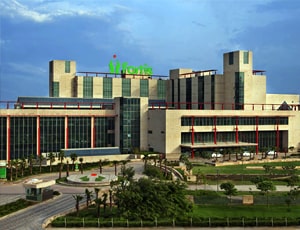
Fortis Memorial Research Institute
Gurgaon, India
Fortis Healthcare Limited stands as one of India's largest integrated healthcare providers, managing 33 hospitals across 11 states and operating more than 5,700 beds and 400 diagnostic labs. Four of our hospitals are accredited by JCI and 26 by NABH. With a workforce of over 12,500 healthcare professionals, we combine clinical excellence, a patient-focused approach, and innovation to provide high-quality, affordable, and compassionate healthcare to patients in India.
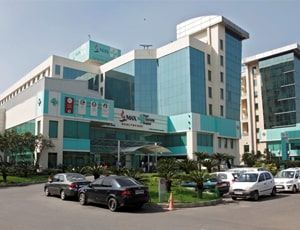
Max Super Speciality Hospital, Saket
Delhi, India
Max Smart Super Speciality Hospital, Saket, is a 250-bed tertiary care hospital awarded NABH accreditation, which provides advanced medical care in various specialities such as Cardiac Sciences, Orthopaedics, Neurology, Urology, Kidney Transplant, Paediatrics, and Obstetrics & Gynaecology. The hospital provides quality, safe, integrated, and patient-centric medical care using modular OTs, ICUs, Cath Labs, CT, MRI and Dialysis units.

Manipal Hospital, Hebbal
Bangalore, India
Manipal Hospitals, a group of Manipal Education Medical Group, is India’s leading multi-speciality network, comprising over 650 beds. Dedicated to clinical excellence, patient-centric care and ethical practices, it provides sophisticated diagnostics, surgery and home care services to both domestic and international patients, while also improving access to affordable healthcare for underprivileged communities.
Our Services to better your experience
Opinion & Option
We submit the most accurate opinion and options from one or more countries for your review
Consult Privately
Consult with a certified specialist privately on our telemedicine platform even before you decide to travel
Logistics
We handle flights, visas, transfers, and accommodation—so you can focus on your health.
Recovery
Our In-house rehabilitation service packages to better your recovery and treatment outcome
Why Choose India for Diabetic Retinopathy?
There are many reasons to select India:
- It provides reasonably priced top-notch eye care, including cutting-edge procedures like minimally invasive vitrectomy, anti-VEGF therapy, laser photocoagulation, and AI-based screening.
- Furthermore, even in rural locations, accessible care is guaranteed by India's telemedicine services and mobile eye screening units.
Frequently Asked Questions
In the early stages of diabetic retinopathy, surgery is not always necessary. The disorder is often treated with laser photocoagulation and anti-VEGF injections. However, vitrectomy surgery is required to remove blood and scar tissue and restore vision in advanced cases with extensive bleeding (vitreous hemorrhage) or retinal detachment.
The rising incidence of diabetes in India is raising concerns about diabetic retinopathy. According to various studies, 15-20% of Indian diabetics experience some diabetic retinopathy; people with uncontrolled diabetes and chronic conditions are more likely to acquire this condition. It is one of the leading causes of avoidable blindness; hence, routine eye exams are essential for early identification and care.
Diabetic Retinopathy (DR) is an eye condition associated with diabetes that destroys the blood vessels in the retina, resulting in blindness if left untreated. Early discovery, risk assessment, and successful treatment planning with anti-VEGF therapy, laser treatment, or surgery all depend on the analysis of DR. Regular eye examinations are essential for diabetics since prompt diagnosis helps avoid serious problems, including retinal detachment and blindness.
If left untreated, diabetic retinopathy can cause serious side effects such as macular edema, vitreous hemorrhage, retinal detachment, and progressive vision loss. Due to elevated eye pressure, it can potentially result in glaucoma, which can cause irreversible blindness. Prompt treatment and routine eye exams are crucial to avoid these long-term consequences.
Most hospitals in India offer the following:
- Assistance in obtaining visas.
- Airport Service to and from the hospitals.
- Multilingual experts and Best accommodations services.
- Personalised treatment plans for patients from abroad.
Before choosing a recognised eye institute, research the doctor's experience, patient testimonials, hospital amenities, and availability of cutting-edge technology. You can also get support by speaking with a medical tourism facilitator at mediGence to select the best doctor and facility.
Many hospitals in India have the latest technology for diagnosing and treating Diabetic Retinopathy. Significant cities and medical facilities offer a wide range of treatments, including vitrectomy,
Various research studies have reported that the disease's stage and type determine how well Treatment results are greatly enhanced by early diagnosis.
Indian doctors have extensive experience treating diabetic retinopathy and are skilled in both cutting-edge surgery and non-surgical approaches. Retinal experts at prestigious institutions are highly qualified in the latest methods, including vitrectomy, laser therapy, and AI-based diagnostics.
The recovery period following surgery is more intrusive. For the best results, regular check-ups and following physician instructions are essential.

Reviewer

Dr. Vidit Tripathi
ENT Surgeon
24 Years of Experience
One of the finest ENT Surgeon in New Delhi, India, Dr. Vidit Tripathi, has worked with several world class multidisciplinary hospitals over the years. Dr. Vidit Tripathi has over 24+ years of experience in his field. The specialist treats and manages a wide range of conditions such as Goiter, Radiation Necrosis in Neck, Neck Injury, Perforates Eardrum View More
Last Reviewed - January 2026