Comprehensive Myelopathy Treatment in Thailand
- Top Accredited Hospitals
- Global Medical Standards
- Cutting-Edge Technology
- Proven Treatment Options
- High Success Rate
- Trusted by Millions

What is a Comprehensive Myelopathy?
Comprehensive myelopathy is not a specific medical term, but it likely refers to the broad or detailed understanding and treatment of myelopathy, a condition affecting the spinal cord. Myelopathy is a general term for any disorder or damage to the spinal cord that affects its normal functioning, often leading to neurological deficits like weakness, numbness, or coordination problems.
What is the Importance of Timely Treatment?
Medical intervention for Comprehensive Myelopathy and cervical herniated disc must be performed right away due to multiple compelling reasons.
Prevents Progression of Symptoms
If left untreated, conditions like cervical spondylosis or myelopathy can worsen over time. Early treatment helps prevent further degeneration of the spinal discs, joints, and nerves, reducing the risk of nerve damage, weakness, and loss of mobility.
Reduces Pain and Discomfort
Timely intervention can help manage pain and inflammation associated with spinal conditions. Addressing the root cause early on (such as herniated discs or spinal stenosis) can help reduce chronic pain, muscle stiffness, and numbness that may otherwise become debilitating.
Minimises the Risk of Severe Complications
Conditions like myelopathy can lead to permanent nerve damage if not treated in time. In some cases, untreated spinal cord compression may result in loss of motor function, paralysis, or bowel/bladder dysfunction. Timely treatment helps reduce the risk of these serious complications.
Improves Treatment Outcomes
Early diagnosis and treatment typically result in better outcomes. Non-surgical treatments such as physical therapy, medications, and lifestyle adjustments can often alleviate symptoms and prevent the need for invasive procedures. Early intervention yields quicker and more favourable recovery times when surgery is necessary.
Preserve Quality of Life
Addressing symptoms early can help maintain independence and functionality. Individuals seeking timely treatment are more likely to continue with daily activities, keep their work productivity, and have a better quality of life as they age.
What are the Common Symptoms of Comprehensive Myelopathy?
- Pain (neck, back, arms, or legs)
- Weakness and numbness in limbs
- Coordination problems (ataxia), leading to gait difficulties
- Muscle stiffness or spasms
- Loss of fine motor skills
- Bowel and bladder dysfunction (in severe cases)
- Radiating pain (from neck to arms or from back to legs)
- Decreased reflexes
- Fatigue or general weakness
- Sensory impairments (decreased touch or pain sensation)
Causes and Risk Factors of Comprehensive Myelopathy
Causes
- Degenerative Disc Disease (Cervical Spondylosis)
- Herniated Discs
- Spinal Stenosis
- Trauma or Injury
- Spinal Tumors
- Inflammatory Diseases
- Infections
- Vascular Issues
- Congenital Conditions
Risk Factors
- Age
- Genetic Predisposition
- Previous Spinal Injury
- Repetitive Strain or Poor Posture
- Obesity
- Chronic Conditions
- Family History
- Smoking
- Occupation and Lifestyle
Connect with our advisor for a PRIORITY response
Latest Research and Technologies in the Treatment of Comprehensive Myelopathy in Thailand
Minimally Invasive and Robotic Surgery
Advanced minimally invasive spine surgeries and robotic-assisted techniques are offered, which minimise surgery-related risks, preserve surrounding tissues, and allow faster recovery for myelopathy patients.
Intraoperative Neuromonitoring and AI-based Diagnostics
AI-assisted imaging systems enhance diagnostic accuracy, estimate levels of compressive forces, and direct detailed surgical planning.
Regenerative Medicine and Stem Cell Therapy
Thai researchers have investigated research on stem cell therapy to repair spinal cord injuries in cases of early myelopathy. This regenerative therapy has great promise for nerve regeneration and improving neurological outcomes.
Advanced Imaging and Motion-Preserving Implant
Early spinal cord injuries were identified by high-resolution 3T MRI and DTI scans for better treatment planning. Motion-preserving implants, such as artificial discs, maintain the spine's mobility and minimise complications.
Comprehensive Myelopathy Prevention Tips
These strategies help prevent herniated disc development in the cervical spine:
- Practice proper sitting, standing, and lifting techniques to alleviate spinal strain and prevent long-term spinal cord compression.
- Low-impact activities like swimming, walking, and yoga will strengthen back muscles, improve flexibility, and promote spine healing.
- Maintaining a healthy weight will minimise the load on the spine and lower the risk of degenerative changes that could lead to myelopathy.
- Have your bone density checked regularly as you age so that any development of osteoporosis or arthritis affecting the spine can be detected early.
- Smoking and consumption of alcohol weaken the bones and impede the blood supply to the spinal cord, predisposing one to myelopathy.
- Use ergonomic chairs, desks, and neck supports while working, especially if you have a prolonged sitting posture.
- Do not neglect neck or back pain, herniated discs and spinal injuries; these should be addressed promptly to interrupt the worsening of myelopathy.
Treatment options for Comprehensive Myelopathy
The medical treatment for Comprehensive Myelopathy depends on the severity level and may consist of either non-surgical solutions or surgical procedures. People with Comprehensive Myelopathy can use the following treatments:
Laminectomy: removes part of the vertebra called the lamina to open up more space in the spinal cord.
Cost Start From USD 9500 - USD 12500Explore Options
Discectomy refers to the surgical removal of the herniated or degenerated disc, which presses against the spinal cord.
Spinal Fusion: Fusing two or more vertebrae in place after removing a laminectomy or discectomy.
Cost Start From USD 12000 - USD 17000Explore Options
Cervical Disc Replacement: The damaged disc is replaced with an artificial one to maintain stability with motion in the neck.
Cost Start From USD 15000 - USD 20000Explore Options
Stem Cell Therapy : It has recently been tried in some cases as a treatment to reverse spinal cord damage by maintaining nerve regeneration.
{stem-cell-therapy}These are the standard diagnostic methods for diagnosing Comprehensive Myelopathy:
Clinical Evaluation
- History and Symptoms: During the assessment, the physician must complete information about the injury and evaluate symptoms of neck pain, numbness, and weakness to determine spinal cord involvement.
- Physical Examination: During an examination, doctors will evaluate the signs which present as pain combined with stiffness while testing the neck's range of motion.
Imaging Studies
- X-rays (Radiographs): These tests provide vital information about degeneration, alignment issues, or narrowing of the spaces between vertebrae.
- CT Scan (Computed Tomography): The technique displays original bone structures in a three-dimensional format to calculate the extent of disc herniation.
- MRI (Magnetic Resonance Imaging): This method shows providers detailed pictures of soft tissues to investigate the herniated discs.
- Myelogram: A contrast dye is deposited into the spinal canal during a lumbar puncture before performing X-ray or CT scanning for improved spinal cord imaging and nerve root visualisation.
- Myelography uses contrast dye injected into the spinal canal to obtain X-ray or CT images that show Comprehensive Myelopathy effects on the spinal cord and nerve roots.
- Electromyography (EMG): The test provides critical information to define nerve function impairments and detects nerve vitalities, including weakness or tingling sensations.
Cerebrospinal Fluid (CSF) Analysis
In addition to compression myelopathy, a CSF analysis can be conducted in selected patients to exclude the possibility of an infection or an inflammatory condition affecting the spinal cord. This involves a lumbar puncture for fluid aspiration followed by laboratory testing for infection, inflammation and possibly other abnormalities in the fluid.
MediRehab (a chain of Rehab centres, part of MediGence) provides comprehensive rehabilitation services to support patients through Teleconsulations and online therapy sessions.
Physical Therapy
It aims to decrease pain and increase mobility while targeting neck flexibility through strengthening exercises that improve posture and manually treat the area.
Occupational therapy (OT)
It assists people with myelopathy in recovering skills for daily living tasks. Improvement in function will focus on the arms, hands, and fingers to help patients with activities such as dressing and cooking, writing or using a computer.
Speech and Swallowing Therapy
Patients may have speech or swallowing difficulties (dysphagia) if myelopathy occurs in the neck and throat. Treatment for speech problems, such as providing ways to improve communication and swallowing function, is also provided.
Surgical Rehabilitation
When the cause of compression myelopathy is surgically treated, such as with the removal of a herniated disc (discectomy), removal of pressure from the bone (laminectomy) or spinal fusion, rehabilitation after surgery forms an integral part of regaining health.
Hydrotherapy
Most people who have myelopathy cannot stand for long periods on land because of weight-bearing issues. Water in aquatic therapy endorses buoyancy, thus reducing strain caused by the body's weight on the spine even when exercises are effectively carried out.
Pain relievers, muscle relaxants, and nerve pain medications are Comprehensive Myelopathy treatments since they minimise pain and inflammation, alleviate muscle spasms, and address nerve discomfort.
Instantly Connect with our Specialists


Hospitals for Comprehensive Myelopathy in Thailand

Krabi Nakharin International Hospital
Krabi, Thailand
Krabi Nakharin International Hospital located in Krabi, Thailand is accredited by JCI. Also listed below are some of the most prominent infrastructural details:
- Capacity of Imported electronically adjustable 100 beds
- Housing Facility in VIP Rooms, Deluxe Rooms, Superior Rooms, 2-Beds room, 9-Beds room
- All rooms are fully equipped with Smart TV, Refrigerator with soft drinks, Wi-fi, sofacumbed, personal nurse call system, telephone for local & international calls, Microwave,
- Main meals and snacks are also included
- Medical Technology includes- 64-slice CT scan, MRI, Fluoroscopy Examination, Digital Mammogram, Computed Radiography and 4D-Ultrasound
- 14 Treatment Centers and Clinics
- 24*7 Intensive Care Unit (ICU)
- Outpatient Department (OPD)
- Emergency Department

F.CLINIC, Bangkok
Bangkok, Thailand
- FSCB Global focuses on coordinating international patient services and globally qualified hospitals and board-certified doctors through many specialities such as cardiology, neurology, orthopedics, oncology, organ transplants, cosmetic surgery, and many more advanced procedures. FSCB Global provides comprehensive solutions from initial medical consultation through treatment planning, travel arrangements, and follow-up care, while focusing on providing affordable, accessible, high-quality health care for international patients.

Sikarin Hospital
Bangkok, Thailand
Apart from in-detail treatment procedures available, Sikarin Hospital located in Bangkok, Thailand has a wide variety of facilities available for International Patients. Some of the facilities which are provided by them are Airport Transfer, Choice of Meals, Interpreter, SIM, TV inside room. Also listed below are some of the most prominent infrastructural details:
- Sikarin Hospital has a 258-bed capacity.
- The hospital caters to the healthcare needs of both local and international patients.
- Dedicated and skilled, experienced healthcare professionals are the strength of the organization.
It has also received many awards and certifications and some of them are:
- APSIC CSSD Center of Excellence Award (2017-18)
- Accreditation by the Joint Commission International
- HA-Hospital/Healthcare Accreditation
- HACCP Certificate of Registration
- The Best Under a Billion Award
- ISO 14001 Environment Management System
- ISO 9001 Quality Management System
The various clinics and centers of Sikarin Hospital are as follows:
- Pediatric Institute
- Orthopedic Institute
- Dental Center
- Health Check-up Center
- Heart Disease Center
- Cerebral and Nervous System Center
- Internal Medicine Clinic
- Diagnostic Radiology Center
- Diagnostic Laboratory
- Endoscopic Surgery Center
- International Medical Center
- Emergency Medical Center
- Sikarin Beauty Center
- Eye Center
- Rehabilitation Center
- Women’s Health Center
- Ear, Nose and Throat Center
- Specialized Internal Medicine Center
- Center for Gastrointestinal and Liver Diseases
The medical technology present in Sikarin Hospital is outlined here:
- MRI (Magnetic Resonance Imaging) magnetic resonance imaging
- Hybrid Operating Room
- Endoscopic Surgery - Gastrointestinal medical technology with tiny capsules
- S.R. Laboratory
- Cardiac Catheterization Lab
- Dental Operating Microscope, an innovative endoscopic root canal treatment
- 128-Slice CT Scan
- ORTHOPANTOMOGRAPH OP 3D oral X-ray machine
- Digital Mammogram
- Optical Coherence Tomography
- INFRARED (IR) IMAGING Surgical Technology “Cure Cancer” – Direct, Accurate, Fast
- 3D endoscopic surgery technology
- Laparoscopic Surgery
- Dental Aerosol Suction Dental Intraoral Aerosol Remover
- Comprehensive Dental Center
- iTeroElement 5D
Our Services to better your experience
Opinion & Option
We submit the most accurate opinion and options from one or more countries for your review
Consult Privately
Consult with a certified specialist privately on our telemedicine platform even before you decide to travel
Logistics
We handle flights, visas, transfers, and accommodation—so you can focus on your health.
Recovery
Our In-house rehabilitation service packages to better your recovery and treatment outcome
Why Choose Thailand for Comprehensive Myelopathy Treatment?
Several advantages exist for choosing Thailand for Comprehensive Myelopathy treatment.
World-Class Facilities
Thailand offers internationally accredited hospitals with advanced diagnostic tools and surgical technology for treating myelopathy.
Skilled Specialists
Experienced neurologists and spine surgeons provide highly qualified treatment, including complex spine and minimally invasive surgeries.
Options for Minimally Invasive Surgery
Current techniques minimise pain, improve recovery time, and decrease complications for myelopathy patients.
Holistic Rehabilitation
Specialised rehabilitation centres enhance patients' mobility and quality of life through physiotherapy and aftercare programs.
Affordability and Patient-Friendliness
This boosts Thailand's competition for international patients due to its cheap treatments and full medical tourism support.
Frequently Asked Questions
The treatment depends on the severity of the condition. For mild cases, conservative measures may be applied through physical therapy, medications, and lifestyle changes. For more severe cases, surgery may be required to decompress the spinal cord and prevent further neurological damage.
Physiotherapy is fundamental in strengthening the muscles and helping improve balance and mobility. Also, it enables the management of symptoms such as pain and stiffness, making physiotherapy indispensable in treatment and recovery.
It can sometimes be treated if diagnosed early enough. Through medication, physiotherapy, and lifestyle modifications, but occasionally, severe cases have to be subjected to surgery if there is intense damage to the spinal cord because pressure cannot be relieved.
The recovery depends on the severity of the condition and how early treatment is initiated. Many people can regain function and manage symptoms effectively with early intervention and a comprehensive treatment plan. However, in severe or long-term compression cases, full recovery may not be possible, and ongoing management may be required.
Prevention involves maintaining a good posture, avoiding repetitive strain, exercising to strengthen the muscles around the spine, and quitting smoking. Early signs of myelopathy from spinal issues are usually detected in time with proper follow-up from a healthcare provider.
Cervical myelopathy is a specific term that refers to compression or damage to the spinal cord in the cervical region of the spine. Comprehensive myelopathy is a more general term that refers to myelopathy occurring at any level of the spine and may involve multiple areas of the spinal cord.
In Thailand, neurosurgeons and orthopaedic spine specialists are highly qualified and skilled in treating complex myelopathy cases.
Early myelopathy surgeries done by experienced surgeons have a success rate of 70% - 90%.
Hospital stay usually is between 3-7 days, depending on the type of surgery and the patient's condition.
Yes, if untreated or progressed beyond a certain extent, complete myelopathy would result in irreversible damage to the spinal cord. This would subsequently lead to permanent chronic pain and disability with associated loss of mobility. Early detection and treatment of the condition help prevent permanent damage.
Comprehensive myelopathy should be diagnosed and treated by a neurologist. The treatment modalities would involve surgical intervention through a neurosurgeon or orthopaedic spine surgeon. Other support care professionals may include the services of physical therapists, occupational therapists, and pain management experts.
Yes, comprehensive myelopathy is more common among the elderly population because of degenerative changes within the spine. These changes can include spinal stenosis, herniated discs, and bone spurs. However, myelopathy may also be experienced by younger patients due to traumatic or genetic causes.
If left untreated or if compression is severe, comprehensive myelopathy can result in paralysis or significant loss of function. Therefore, early diagnosis and treatment are crucial to avoid permanent damage to the spinal cord and minimise the risk of permanent paralysis.

Reviewer
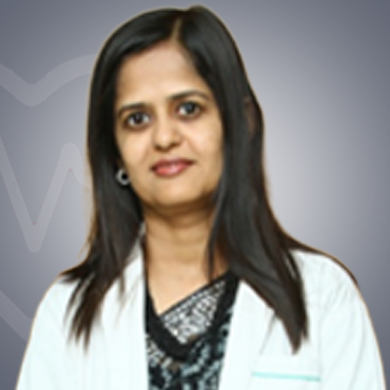
Dr Sonal Gupta
Neurosurgeon
29 Years of Experience
Dr. Sonal Gupta has an experienced neurosurgeon with more than 29+ years of clinical expertise. She is currently the Director, Neuro & Spine Surgery at Fortis Hospital, Shalimar Bagh. Before joining Fortis, she has been associated with various organizations such as Maharaja Agrasen Hospital, Action Balaji Hospital, and Max Hospital. View More
Last Reviewed - January 2026