Chronic Coronary Syndrome Treatment in Turkey
- Top Accredited Hospitals
- Global Medical Standards
- Cutting-Edge Technology
- Proven Treatment Options
- High Success Rate
- Trusted by Millions

What is a Chronic Coronary Syndrome?
Chronic Coronary Syndrome refers to long-term coronary artery disease in which blood flow to the heart muscle is reduced, usually because of atherosclerotic narrowing of the coronary arteries. Symptoms may occur during physical activity or emotional stress and improve with rest, although some people may have few or no symptoms. The condition can change over time, so regular cardiovascular assessment and risk-factor management are important.
What is the Importance of Timely Treatment?
Timely treatment can help control chest discomfort and other symptoms, improve cardiovascular function when necessary, reduce the risk of heart attack and heart failure, and slow the progression of coronary artery disease. Regular assessment also helps determine whether lifestyle changes, medicines, or coronary revascularisation may be appropriate.
What are the Common Symptoms of Chronic Coronary Syndrome?
- Chest Discomfort: Pressure, tightness, heaviness, or squeezing in the chest, often occurring during physical activity or emotional stress.
- Shortness of Breath: Breathlessness may develop during exertion when the heart cannot receive enough oxygen-rich blood.
- Fatigue: Some people experience unusual tiredness or reduced ability to perform routine physical activities.
- Pain in Other Areas: Discomfort may spread to the arm, shoulder, neck, jaw, back, or upper abdomen.
- Reduced Exercise Tolerance: Activities that were previously comfortable may cause tiredness, breathlessness, or chest discomfort.
- Palpitations or Dizziness: Some patients may feel their heartbeat, lightheadedness, or weakness.
Causes and Risk Factors of Chronic Coronary Syndrome
Causes
- Coronary Atherosclerosis: Plaque buildup can progressively narrow the coronary arteries and restrict blood flow.
- Coronary Artery Spasm: Temporary narrowing of a coronary artery can reduce blood supply to the heart.
- Coronary Microvascular Dysfunction: Abnormal function of small coronary blood vessels may contribute to myocardial ischemia.
- Previous Coronary Events: Previous heart attack or coronary intervention may contribute to ongoing chronic coronary disease.
- Other Coronary Abnormalities: Less common conditions affecting coronary blood flow may also contribute.
Risk Factors
- Increasing age
- High blood pressure
- High LDL cholesterol
- Diabetes
- Smoking or tobacco exposure
- Overweight or obesity
- Physical inactivity
- Unhealthy diet
- Family history of premature coronary artery disease
Latest Research and Technologies in the Treatment of Chronic Coronary Syndrome in Turkey
- Recent advances include CT coronary angiography, fractional flow reserve (FFR), instantaneous wave-free ratio (iFR), intravascular ultrasound (IVUS), and optical coherence tomography (OCT) for assessing coronary anatomy, plaque, and the physiological significance of narrowing. Treatment increasingly combines personalised cardiovascular risk assessment, intensive lipid-lowering therapy, modern anti-anginal medicines, cardiac rehabilitation, and evidence-based revascularisation.
Treatment options for Chronic Coronary Syndrome
Angioplasty (PCI) : PCI in Chronic Coronary Syndrome is an excellent option for maximising symptom relief and quality of life when optimal medical therapy fails to control angina.
Coronary Artery Bypass Grafting (CABG) : Surgical revascularisation is utilised for complex, multivessel, or left main anatomy to provide long-term survival benefits.
Cost Start From 7000Explore Options
- Clinical assessment:
- Medical History: Assessment of chest discomfort, symptom pattern, exercise tolerance, cardiovascular risk factors, previous cardiac events, and medications.
- Physical Examination: Evaluation of blood pressure, heart rate, weight, and other cardiovascular findings.
- Electrocardiogram (ECG): Assesses heart rhythm and may identify evidence of ischemia or previous myocardial injury.
- Blood Tests: Lipid profile, glucose, HbA1c, kidney function, and other tests based on the clinical situation.
- Stress Testing: Exercise or pharmacological stress testing may help assess symptoms and myocardial ischemia in selected patients.
- Imaging Tests:
- CT Coronary Angiography: Provides detailed images of coronary anatomy and atherosclerotic plaque.
- Coronary Angiography: An invasive test used to define coronary narrowing and guide revascularisation when indicated.
- Echocardiography: Evaluates heart structure, pumping function, and regional wall motion.
- Stress Echocardiography: Assesses heart function during exercise or pharmacological stress and may identify areas affected by reduced blood flow.
- Cardiac MRI: Provides detailed information about cardiac structure, function, myocardial viability, and scarring in selected patients.
- Nuclear Cardiac Imaging: May assess myocardial perfusion and identify areas with reduced blood flow.
- IVUS: Provides detailed images from inside the coronary artery during selected interventions.
- OCT: Provides high-resolution images of coronary plaque and stents during selected procedures.
- FFR/iFR: Physiological measurements can help determine whether a coronary narrowing significantly affects blood flow.
MediRehab (a chain of Rehab centres, part of MediGence) provides comprehensive tele-rehabilitation services to support patients with Chronic Coronary Syndrome in Turkey. These services include:
- Cardiac Rehabilitation: Structured programmes can support cardiovascular fitness, symptom management, and long-term recovery.
- Gradual Physical Activity: Increase activity according to symptoms, heart function, and medical advice.
- Heart-Healthy Nutrition: A balanced diet can help manage cholesterol, blood pressure, blood glucose, and weight.
- Weight Management: Maintaining a healthy weight supports cardiovascular health.
- Medicines for Chronic Coronary Syndrome may include statins or other lipid-lowering therapies, beta-blockers, nitrates, calcium-channel blockers, other anti-anginal medicines, antiplatelet medicines, blood-pressure medicines, and diabetes medications, depending on the patient's condition. Treatment is individualised based on symptoms, coronary anatomy, cardiovascular risk, heart function, and prior cardiac events or procedures.
Instantly Connect with our Specialists


Hospitals for Chronic Coronary Syndrome in Turkey

Anadolu Medical Center
Kocaeli, Turkey
Anadolu Medical Center located in Kocaeli, Turkey is accredited by ISO, JCI. Also listed below are some of the most prominent infrastructural details:
- The Medical Center is present over an area of 188.000 square meters. This is inclusive of the indoor area which is 50 thousand square meters.
- Let us also have a look at some of the important infrastructure pointers of this hospital.
- Bed capacity of 201
- Outpatient Clinic at Ata?ehir
- Bone Marrow Transplantation Center that opened its doors in June 2010
- Developed and using latest technologies such as IMRT and Cyberknife
- Multidisciplinary care
- An OECI-designated clinical cancer centre

I.A.U VM Medical Park Florya Hospital
Istanbul, Turkey
I.A.U VM Medical Park Florya Hospital located in Istanbul, Turkey is accredited by JCI. Also listed below are some of the most prominent infrastructural details:
- Situated on an area of 51.000 m2
- Capacity of 300 beds
- 13 Operating rooms
- 92 Polyclinics
- Emergency Unit
- Intensive care Unit
- Parking lots
- Places of worship
- Rooms designed according to different needs offer the comfort of a 5-star hotel
- Special services are provided in all rooms, from television with domestic and foreign channels to internet service, from patient-specific diet menu to newspaper and magazine service
- Cafe/Restaurant with delicious menu

Biruni University Hospital
Istanbul, Turkey
Biruni University Hospital started to serve in 2016. It is a full-fledged multi-specialty healthcare facility, situated in Istanbul, Turkey. The hospital is well-known for its outstanding medical care standards, and it has acquired numerous certificates from international quality organizations. It is a renowned & well-established healthcare facility that provides cutting-edge diagnostic and treatment approaches. They have a team of highly skilled doctors and surgeons on call 24 hours a day, seven days a week to deliver the best medical care possible.
The hospital has various medical departments such as Cardiology, Neurology, Urology, Rheumatology, Pediatrics, General Medicine and Surgery, Gastroenterology, etc. Popular treatments conducted at the hospital are Pediatric Neurology, Cardiac Stenting, Balloon Angioplasty, Bypass surgery, plastic surgery procedures like Hair transplant, & Botox injections, and many more. The hospital is known for its most valuable service i.e. service to human health. Hospital management & professionals define their service concept with the significance attached to the belief. The management is concerned with both medical statistics and, above all, the satisfaction of the patients. Patients from other countries are well looked after. The hospital offers international patients a relaxing and secure environment in terms of psychology, comfort, and health.
The hospital's primary purpose is to provide world-class patient-centered health care through our highly responsible team who can produce information and use it appropriately. With its university-based scientific infrastructure and competent health care, the hospital's management has long-term plans for it, with a desire to be an innovative and leading health institution that is regarded as a reference in the country and around the world. Several value-added services and quality policies are available at the facility. To mention a few, the hospital is open to development and technology, continuously measuring and improving, training qualified health professionals, caring about patient and employee satisfaction, and becoming mobilized to bring an environment of reliable diagnosis, treatment, and care to the majority of the society.
Our Services to better your experience
Opinion & Option
We submit the most accurate opinion and options from one or more countries for your review
Consult Privately
Consult with a certified specialist privately on our telemedicine platform even before you decide to travel
Logistics
We handle flights, visas, transfers, and accommodation—so you can focus on your health.
Recovery
Our In-house rehabilitation service packages to better your recovery and treatment outcome
Why Choose Turkey for Chronic Coronary Syndrome Treatment?
- Experienced Cardiology Specialists: Access to cardiologists, interventional cardiologists, and cardiac surgeons experienced in managing coronary artery disease.
- Advanced Cardiac Diagnostics: Major cardiac centres may offer ECG, stress testing, echocardiography, CT coronary angiography, cardiac MRI, and coronary angiography.
- Modern Interventional Cardiology: Eligible patients may have access to angioplasty, contemporary drug-eluting stents, IVUS, OCT, and physiological coronary assessment.
- Cardiac Surgery: Specialised centres can provide CABG for patients who require surgical revascularisation.
- Comprehensive Heart Care: Cardiology, cardiac surgery, critical care, rehabilitation, nutrition, and other specialists can collaborate for complex cases.
- Personalised Treatment: Treatment plans can consider symptoms, coronary anatomy, cardiovascular risk, heart function, and associated conditions.
- Cardiac Rehabilitation: Structured rehabilitation and lifestyle-management programmes can support long-term cardiovascular health.
- International Patient Support: Many major Turkey hospitals provide assistance with appointments, treatment coordination, accommodation, and follow-up for international patients.
Frequently Asked Questions

Reviewer
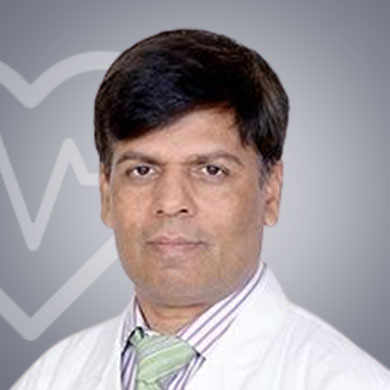
Dr. Nityanand Tripathi
Interventional Cardiologist
29 Years of Experience
With a rich experience of more than 29 years, Dr. Nityanand has gained a vast spectrum of skills and expertise in performing all types of complex cardiac procedures. He is an expert in clinical & interventional cardiology and electrophysiology. He studied his medicine (MBBS) and MD from the Institute of Medical Sciences of Banaras Hindu University, Varanasi, and later completed his DM in Cardiology from the prestigious King George Medical University, Lucknow. View More
Last Reviewed - January 2026