Baastrup's Disease (Kissing Spine) Treatment in India
- Top Accredited Hospitals
- Global Medical Standards
- Cutting-Edge Technology
- Proven Treatment Options
- High Success Rate
- Trusted by Millions

What is Baastrup's Disease (Kissing Spine)?
Baastrup's Disease is more popularly known as Kissing Spine, which is a condition wherein two adjacent spinous processes (the bony protrusions at the back of the vertebrae) in the spine contact each other or "kiss" because of degenerative changes in the vertebrae.
It is commonly seen in the lower back (lumbar spine) but may also occur at other levels. It often manifests in the lumbar spine or lower back but may also be formed at different locations.
What is the Importance of Timely Treatment?
- Prevention of Disease Progression: Early treatment can prevent the disease from further deterioration and additional degeneration. Early intervention would reduce complications, thus improving long-term outcomes.
- Chronic Pain Reduction: Treating any spine-related problem early will decrease the chances of chronic pain developing. If symptoms are managed early, this will prevent long-term pain and enhance mobility.
- Better Treatment Outcomes: Early treatment almost always results in better recovery and more effective management. It will prevent the need for more invasive and complex surgeries at a later stage.
- Higher Quality of Life: The sooner the treatment is started, the longer patients can maintain an active lifestyle and lessen the interference with daily activities. In addition, reducing the stress of chronic pain enhances mental health.
- Cost-Effective Care: Early intervention will minimise years of costly treatment options. There will be less risk of complications and the need for invasive options.
What are the Common Symptoms of Baastrup's Disease (Kissing Spine)?
- Localised Back Pain
- Pain When Pressing on the Spine
- Stiffness and Limited Range of Motion
- Radiating Pain (Radiculopathy)
- Muscle Spasms
Causes and Risk Factors of Baastrup's Disease (Kissing Spine)
Causes
- Degenerative Changes in the Spine
- Abnormal Spine Alignment
- Facet Joint Osteoarthritis
- Repetitive Stress or Overuse
- Post-Surgical Changes
Risk Factors
- Age
- Gender
- Spinal Deformities
- Occupation and Physical Activity
- Genetic Factors
- Previous Spinal Injury
Connect with our advisor for a PRIORITY response
Latest Research and Technologies in the Treatment of Baastrup's Disease (Kissing Spine) in India
The medical treatment of Baastrup's Disease (Kissing Spine) in India adapts the latest research and technologies to meet worldwide clinical standards and healthcare capabilities.
- In FDG PET/CT imaging, new research findings have come forward, and inflammation at the site has been shown in Baastrup's disease. This method is helpful, especially when proper information cannot be taken from findings on the conventional MRI.
- Conservative Management: The mainstay of the initial management includes physiotherapy, pain control, and anti-inflammatory medical therapy. Physiotherapy treatment measures like postural correction, stretching and strengthening help reduce symptoms.
- Minimally Invasive Interventions: If conservative management is unsuccessful, minimally invasive interventions in the form of target injections with fluoroscopic guidance are used to help reduce inflammation and pain
- Surgery: Only in a few cases, if conservative procedures do not help, surgery is recommended for decompression or resection of the spinous processes. The choice of surgery depends upon the individualisation of parameters such as age, health situation, and associated conditions of patients.
Baastrup's Disease (Kissing Spine) Prevention Tips
- Keep Good Posture: Sitting, standing, and walking in the correct body position relieves the vertebrae from unnecessary stress. Use proper ergonomic furniture and avoid slumping to keep the lower back healthy.
- Building Core and Back Muscles: Exercising the previous day makes today worth it. You have to target your abs and back through regular exercise, as these are the keys to stability and prevention against the misalignment possibilities of the spine. There are yoga and strength training sessions that support the spinal regions.
- Avoid Sitting or Standing for Long: It is advisable to break up and take some stretching or changing activity to completely relieve pressure on your spine by remaining in a static position for a long time without any positional changes.
- Control Weight: Controlling healthy weight helps reduce the excess load on the spine and lower back. Proper diet and exercise reduce the stress placed along the line of vertebral structures.
- Use Proper Lifting Techniques: When lifting a heavy object, bend with your knees rather than your waist to easily lift it. Wearing supportive shoes and lifting correctly can help reduce the stress on your spine.
Treatment options for Baastrup's Disease (Kissing Spine)
The medical treatment for Baastrup's Disease (Kissing Spine) requires evaluating the severity, neural involvement, and patient medical condition. The following are the treatment options:
Radiofrequency ablation is when radio waves pass through the skin into nerve tissues adjacent to the spine to relieve pain. It may be undertaken in those who suffer from chronic pain unrelieved by other treatment modalities.
Spinal Fusion Surgery may be performed in severe cases of decompression for the removal of spinous processes causing pain or impinging on a nerve with the aim of long-term relief. Spinal fusion may be carried out on conditions that have significantly destabilised the spine by fusing the affected vertebrae, thus inhibiting any further irritation of the spinous processes.
Cost Start From USD 6500 - USD 9500Explore Options
Laminectomy : A surgical procedure where a portion of the targeted bone is excised to relieve pressure on either the spinal cord or the surrounding nerves
Cost Start From USD 3000 - USD 5000Explore Options
These are the standard diagnostic methods for diagnosing Baastrup's Disease (Kissing Spine) :
- Clinical Evaluation:
- History and Symptoms: During the assessment, the physician needs information about the previous surgical procedure and symptoms of back pain, numbness, and weakness to determine spinal cord involvement.
- Physical exam: The doctor will ask about the patient's medical history and symptoms, and the physical examination will show them. Tenderness and pain along the spinous processes can be key indicators.
- Imaging Studies:
- Plain Radiographs: X-rays are the first imaging modality to evaluate any evidence of Baastrup's Disease. The X-ray can show the closeness of the spinous processes and, to some extent, vertebral degenerative changes, such as disc degeneration or bony growth.
- Detailed Imaging for Soft Tissues: The MRI gives better images of soft tissue structures such as discs, ligaments, and muscles. It can also show any inflammatory condition of the interspinous ligaments, disc degeneration, or nerve compression by kissing spinous processes.
- A CT Scan provides detailed bone and spine views. The CT SCAN also produces three-dimensional images of vertebralspinal structures. This may help identify particular changes in vertebrae orientation and disclose relevant fractures or structural abnormalities.
- FDG PET/CT Advanced imaging: This imaging technique can detect scarring for inflammatory lesions in places where the kissing spinous processes occur. It can be helpful in complex cases that otherwise do not get sufficient information from conventional X-ray or MRI techniques.
- Bone Scintigraphy (Bone Scan) for Inflammation: Sometimes, a bone scan indicates inflammation in the spinous process. This is usually when other imaging techniques fail to demonstrate conclusively.
MediRehab (a chain of Rehab centres, part of MediGence) provides comprehensive rehabilitation services designed to support patients in India. Additional services are as per the patient's requirement. These services include:
- Manage with Physical Therapy: Training on posture, manual therapy, and stretching will enhance mobility and reduce pain. The exercises targeted will help to reduce stiffness and improve spinal flexibility.
- Strengthening Exercises: The muscles surrounding the spine are strengthened through core and spinal stabilisation exercises. Swimming is a low-impact activity that builds strength without stressing the spine.
- Management of Pain Techniques: Various treatments include heat or cold therapy, TENS, and massage therapy. These complementary therapies are fundamental in alleviating pain and improving the quality of life for the patient.
- Occupational Physiotherapy Ergonomics: Adopting proper posture with workplace ergonomics reduces strain on the spine. An ergonomic chair and correct lifting techniques will help eliminate further stress on the spine.
- Lifestyle and Activity Modification: Low-impact exercises, weight control, and avoiding protracted sitting or standing are vital for relieving the stress on the spine. Aquatic therapy offers a gentle exercise method while minimising stress on the lower back.
The main medications for Baastrup's Disease (Kissing Spine) are pain medications: NSAIDs, muscle relaxants, antidepressants, and anticonvulsants to control nerve pain and chronic discomfort.
Instantly Connect with our Specialists


Hospitals for Baastrup's Disease (Kissing Spine) in India

Kalra Hospital
Delhi, India
Kalra Hospitals, regarded as one of Delhi's best hospitals, is dedicated to providing high-quality healthcare to people in need and has four locations: Dwarka, Kirti Nagar, Najafgarh, and Palam. The skilled physicians, who specialize in critical care and cardiovascular conditions, are committed to giving our patients comprehensive medical care. In addition to its emphasis on heart health, Kalra Hospitals offers services in the following areas: dentistry, endocrinology, gastroenterology, rheumatology, burns and plastic surgery, cancer therapy, and vascular medicine.
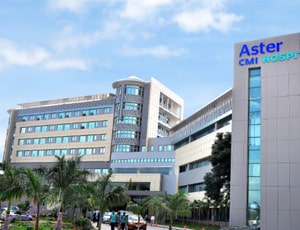
Aster CMI Hospital
Bangalore, India
Aster CMI Hospital located in Bengaluru, India is accredited by JCI, NABH. Also listed below are some of the most prominent infrastructural details:
- Around 500 bed capacity
- Primary care to Quaternary care services
- Outpatient and inpatient departments
- Day care center for small children
- Availability of Surgical suites
- Intensive Care Units
- 24-hour Emergency and Trauma Care
- Emergency Unit especially for children
- Newly launched the Lung and Heart Transplant Centre
- Video Consultation with doctors available on GraphMyHealth
- A specialised Aster Center of Excellence for Women & Children
- Latest Minimally Invasive Procedures being performed
- Safe Interventional Procedures
- Control of Infection protocols are strictly followed
- Aster Holistic Collaborative Care: Aster Palliative Care for lowering suffering if critically ill patients, Physical Medicine & Rehabilitation, Aster Wellness, Psychology, Chronic Pain Management, Nutrition & Dietetic, Podiatry Care etc.
- 11 Centers of Excellence
- An academics focus with BSc Program, MEM Program, Pediatric Fellowship Program
- A streamlined International patient care center with dedicated services and technology enabled processes

MGM Healthcare
Chennai, India
There are a wide variety of healthcare facilities and specialized, targeted treatments provided by MGM HealthCare. Some of its most prominent services are listed below:
Institute of Heart and Lung Transplant and Mechanical Circulatory Support: Well renowned for having the third-highest number of heart transplants in a year (102) and also the successful completion of several other transplant surgeries and cardiac surgeries.
Cardiac Sciences: They offer a variety of screening tests and facilities including Tilt Table Test, Coronary Angioplasty and Stenting, CT Angiography, Coronary Artery Bypass Grafting, Stress Echocardiogram, Cardiac Stress Test and Cardiac Catheterisation.
Obstetrics and Gynaecology: They provide all services to ensure a woman’s well-being. Some of the services offered are Menstrual Cramps Treatment, Colposcopy, Myomectomy, Vaginal Hysterectomy, Breastfeeding Support, Ovarian Cyst Removal, Menopause Management, Vaginal Birth After Caesarean (VBAC), and Menorrhagia Treatment.
Orthopedics: Bilateral Knee Replacement, Total hip Replacement, and Knee Arthroscopy are all the procedures that are offered in this department.
Liver Transplantation: An exceptionally skilled team of professionals who have performed over 4,000 liver transplant surgeries and an operation theatre and ICU specifically dedicated to HBP surgery is available at the patient’s disposal.
Emergency Medicine: MGM Healthcare has a fully functioning facility dedicated to emergency medicine that operates 24 hours a day and 7 days a week.
Oncology: The patients will be in the safe hands of well-trained medical personnel qualified in the field of oncology and specialize in procedures like Bowel resection surgery, Biopsy, Lumpectomy, Liver Resection Surgery, Lung Cancer resection surgery, Lymph Node Surgery, and Laparoscopic Prostatectomy. They also provide cancer treatments like Chemotherapy, Immunotherapy, and Targeted Therapy.
Anaesthesiology and SICU: They specialize in the field of local, general and regional anesthesia and work to assist doctors during surgical procedures.
Neurosciences and Spine: The doctors in this department handle difficult procedures like Brain Tumour Surgery, Spine Reconstructive Surgery, Neuro Surgeries, and Spine Surgeries with the utmost ease and professionalism. They also have a specific area dedicated to Neuroanaesthesia and NeuroCritical Care.
Do visit the environment-friendly medical facility in Chennai and experience medical excellence.
Our Services to better your experience
Opinion & Option
We submit the most accurate opinion and options from one or more countries for your review
Consult Privately
Consult with a certified specialist privately on our telemedicine platform even before you decide to travel
Logistics
We handle flights, visas, transfers, and accommodation—so you can focus on your health.
Recovery
Our In-house rehabilitation service packages to better your recovery and treatment outcome
Why Choose India for Baastrup's Disease (Kissing Spine) Treatment?
- Effective Cost: The cost of medical treatment in India proves more economical than Western pricing yet remains equivalent to high-end treatment standards. The treatment path covers operative steps and follows all post-surgical phases.
- World-Class Infrastructure: The healthcare system in India operates multiple facilities accredited at the international level, which combine highly experienced orthopaedic surgeons who receive patients with complicated spine injuries, including Baastrup's Disease (Kissing Spine).
- Advanced Technology: The diagnosis and treatment in Indian medical centres benefit from state-of-the-art equipment and cutting-edge procedures, including minimally invasive surgical methods and robotic-assisted solutions.
- Skilled Specialists: Doctors specialising in orthopaedics and neurosurgery are in high numbers throughout India because Indian medical specialists possess international recognition for their outstanding spinal treatment capabilities.
- Language Support: Indian hospitals offer multilingual support to fulfil international patient needs by assisting in numerous country languages.
Frequently Asked Questions
Surgery is not indicated in all cases. Most cases respond well to conservative treatment, given good medical therapy and physiotherapy. Surgery is usually reserved for severe, persistent pain as well as neurologic compression or instability.
Furthermore, Baastrup's Disease untreated would mean a significant loss of mobility and quality of life due to pain and discomfort caused by this condition. Most cases can succeed with good treatment, including physical therapy and pain management, in managing symptoms and avoiding permanent disability.
In India, there are multiple research institutions and hospitals wherein the latest interventions concerning spine treatment are conducted. Although almost all people suffering from Baastrup's Disease depend upon conventional treatment methods (physical therapy, medications, surgery), they are significantly researching new techniques, such as minimally invasive treatments, regenerative medicine using stem cell therapy, and advanced imaging technologies for diagnosis and treatment.
There are numerous research institutions and hospitals in India where the most advanced spine treatment interventions occur. Even though nearly all of the patients affected by Baastrup's Disease rely on traditional treatment (physical therapy, medications, and surgery), they are still widely studying modern techniques, which include minimally invasive treatments, regenerative medicine using stem cell therapy, as well as state-of-the-art imaging technologies to be used in the diagnosis and treatment, as developed in India.
A healthy weight, good standing and sitting posture, and participation in low-impact activities like swimming or walking reduce strain on the spine and benefit symptoms.
Baastrup's Disease may not be entirely preventable. Still, risk reduction includes good posture, minimisation of repetitive stress on the spine, development of strong core muscles, and ergonomic furniture for back support.
Yes, physical therapy is a viable treatment approach. Its intervention includes improving flexibility, reinforcing core and back muscles, and teaching proper posture to lessen the burden on the spine; all these shorten the duration of pain relief and prevent further deterioration.
Sometimes, Baastrup's Disease symptoms recur. This is mainly because the patient has been unable to correct the medically established causes of degenerative changes or faulty posture. Regular exercise and good posture combined with good weight management will prevent reoccurrence.
Should Baastrup's disease go untreated, it may eventually progress into chronic pain, possible nerve compression, and the tasting of spinal instability. In extreme cases, it becomes almost impossible to walk or use body movements; all these changes severely affect the quality of life.

Reviewer
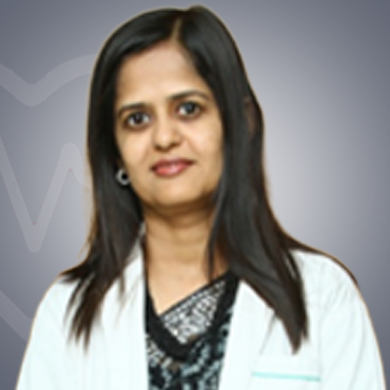
Dr Sonal Gupta
Neurosurgeon
29 Years of Experience
Dr. Sonal Gupta has an experienced neurosurgeon with more than 29+ years of clinical expertise. She is currently the Director, Neuro & Spine Surgery at Fortis Hospital, Shalimar Bagh. Before joining Fortis, she has been associated with various organizations such as Maharaja Agrasen Hospital, Action Balaji Hospital, and Max Hospital. View More
Last Reviewed - January 2026