Avascular necrosis Treatment in India
- Top Accredited Hospitals
- Global Medical Standards
- Cutting-Edge Technology
- Proven Treatment Options
- High Success Rate
- Trusted by Millions

What is Avascular necrosis?
Avascular necrosis (AVN) is a degenerative bone disease that occurs due to a disrupted blood supply, leading to the death of bone cells. It generally affects the epiphysis of long bones in weight-bearing joints. In severe circumstances, AVN may cause degradation or the joint collapse of subchondral bone.
What is the importance of timely Treatment?
Timely treatment of avascular necrosis (AVN) is essential to prevent the progression of bone damage and joint collapse. Early intervention can help preserve bone structure, reduce pain, maintain mobility and promote a person's active life. The condition can become worse if not treated on time. It can lead to severe arthritis and loss of mobility.
What are the Common Symptoms of Avascular necrosis?
The following are the Symptoms of Avascular necrosis:
- Joint Pain
- Restricted range of motion
- The joint may stiffen over time
- Osteoarthritis
- Restricted head movement
Causes and Risk Factors of Avascular Necrosis:
Causes
Several underlying conditions may lead to avascular necrosis, such as:
- Trauma or Injury – Some injuries, like fractures and dislocations, can damage blood vessels supplying the bone.
- Blockage of blood vessels – Fat deposits, blood clots, or conditions like sickle cell disease can restrict blood flow
- Medical Conditions such as Autoimmune diseases, pancreatitis, and certain metabolic disorders can exacerbate the AVN.
- Radiation and Chemotherapy – These can weaken bones and affect blood transportation.
Risk Factors
Several things raise the chance of getting AVN, including:
- Corticosteroid: High-dose or long-term steroids, such as prednisone, might raise cholesterol levels and obstruct blood flow.
- Alcohol overuse: Long-term alcohol consumption causes blood vessel fat to accumulate, which lowers circulation.
- Smoking: Nicotine constricts blood arteries, which lowers the amount of oxygen that reaches bones.
- High cholesterol affects blood flow to bones by causing fat deposits in arteries.
Connect with our advisor for a PRIORITY response
Latest Research and Technologies in the Treatment of Avascular Necrosis in India
India is making strides in treating arthritis in different ways, such as biologic medications, stem cell therapy, and regenerative medicine. Mesenchymal stem cell treatment and platelet-rich plasma (PRP) therapy are being investigated for joint repair. Precision in treatment is being enhanced via robot-assisted joint replacement procedures and AI-assisted diagnostics. Research on traditional herbal remedies is also becoming more popular in the quest for safer, more affordable alternatives.
Treatment options for Avascular necrosis
The medical treatment for avascular necrosis requires evaluating the fracture severity, neural involvement, and patient medical condition. The following treatment approaches are used :
Osteotomy: is a surgical procedure used to treat avascular necrosis (AVN) of the femoral head. It removes a wedge of bone and realigns the femoral head from the injured location.
Cost Start From USD 3500 - USD 4500Explore Options
Knee replacement: Knee replacement may be a surgical option for advanced avascular necrosis (AVN) of the knee when the joint is severely injured. It consists of the replacement of the affected bone with an artificial implant to restore function and relieve pain. This procedure is typically recommended when other treatments fail and helps improve mobility and quality of life. Rehabilitating after surgery is essential to a full recovery.
Cost Start From USD 5500 - USD 6500Explore Options
Hip replacement: Hip replacement surgery is recommended when the hip joint is affected by advanced avascular necrosis (AVN). The damaged bone is removed and replaced with an artificial implant to reduce discomfort and restore mobility. When other therapies, such as bone grafting or core decompression, don't work, it's advised. Regaining strength and function after surgery requires physical therapy and other forms of post-surgical rehabilitation.
Cost Start From USD 9000 - USD 10500Explore Options
Hip resurfacing Surgery: Hip resurfacing is a surgical option for young and active patients with avascular necrosis (AVN). Instead of replacing the complete joint, it preserves more natural bone using a metal prosthesis to seal the injured femoral head. This procedure substitutes total hip replacement, especially in early or mid-stage AVN cases.
Cost Start From USD 4500 - USD 6500Explore Options
For avascular necrosis (AVN), the following diagnostic options are available:
- X-rays: They may not be able to detect early AVN, but they can detect changes in bone structure later on.
- Computed tomography (CT) scans can evaluate bone deterioration by providing comprehensive cross-sectional pictures.
- Bone Scan: This is helpful for early detection since it highlights impacted bone regions using radioactive tracers.
- Blood tests: Blood tests can assist in ruling out coagulation problems and other underlying diseases that contribute to AVN.
- Rehabilitation for avascular necrosis (AVN) includes physical therapy to improve mobility, assistive devices to reduce joint stress and medications for pain relief. Changes in lifestyle, such as weight management and quitting smoking, help slow the progression. Low-impact activities like swimming and regenerative therapies like stem cell therapy are examples of advanced options. The severity of the illness and how well a patient responds to treatment determine the rehab strategy.
- Avascular necrosis (AVN) medications help manage pain and slow the illness's progression. Common choices include bisphosphonates to stop bone loss and nonsteroidal anti-inflammatory drugs (NSAIDs) like ibuprofen to relieve discomfort. Statins aid in the reduction of fat deposits in blood arteries, and blood thinners may be recommended to enhance circulation.
Instantly Connect with our Specialists


Hospitals for Avascular necrosis in India
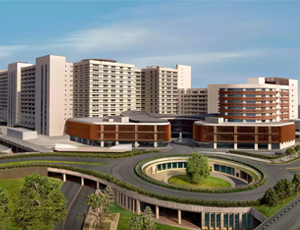
Amrita Hospital
Faridabad, India
Founded in 1998 by Mata Amritanandamayi (Amma), the Amrita Institute of Medical Sciences and Research Centre is one of India’s leading healthcare institutions, accredited by ISO, NABH, and NABL. With 2 branches, 7 medical colleges, and a network of 800+ doctors and 2,600+ beds, it offers comprehensive care across 81 specialties and 12 super-specialty departments, supported by 60+ modern operating theatres and 534 critical care beds. The Faridabad campus, a world-class multispeciality facility, houses advanced centers for oncology, neurosciences, cardiac sciences, gastro-sciences, mother and child care, and trauma care, along with India’s most comprehensive infectious disease unit. Guided by a mission of compassion and innovation, Amrita Hospitals combine cutting-edge medicine with humanitarian service to empower communities and promote holistic well-being.

Aster Medcity
Kochi, India
- 670 bed facility
- 24 hours Emergency and Trauma Care
Aster Centres of Excellence
- Cardiac Sciences
- Orthopaedics & Rheumatology
- Neurosciences
- Nephrology & Urology
- Oncology
- Gastroenterology
- Integrated Liver Care
- Womens Health
- Child & Adolescent Health
- Multi Organ Transplant
- Diagnostic Technology used for increasing the efficiency of diagnostic procedures.
- Streamlined Application of Therapeutic Technology
- Minimal Access Robotic Surgery (MARS) which makes use of the da Vinci Surgical System is applied by the specialists in Aster Medcity, Kochi, Kerala.
- ORI Fusion Digital Integrated Operation Theatres which applies Karlstorz OR1 Fusion system.
- Completely digital Anesthesia facility
- Pharmacy which possesses completely Automated Drug Dispensing

Aakash Healthcare Super Speciality Hospital
Delhi, India
Aakash Healthcare Super Speciality Hospital located in New Delhi, India is accredited by NABH. Also listed below are some of the most prominent infrastructural details:
- One of the biggest tertiary care hospitals in India
- Facility is fusion of state of the art technology, competent clinicians, and world-class infrastructure
- 230 beds
- 70 bedded medical and surgical and Critical Care Unit
- Ward Bed Options- Twin, Deluxe, Sharing and Economy
- Pneumatic Tube System
- Ambulance Services 24x7
- 15 Bedded dialysis unit
- Advanced Neonatal ICU
- Advanced imaging services, including magnetic resonance imaging, computed tomography scanning, digital mammography, ultrasound
- 8 modular OTs
- Flat Panel Cath Labs
- LASIK - SMILE Suite
- Wellness Lounge
- State-of-the-art diagnostic equipment
- 15 Dialysis beds
- 24x7 ‘Trauma & Emergency Center
- Dedicated blood bank
- 24x7 comprehensive patient care.
- Deployed high-end technologies & smart digital system
- Robust Hospital Information Systems to meet complex medical needs of patients
- Robotic assisted surgeries
- International Patients Lounge
- Airport Pick-up and Drop
- Accommodation and Food for Attendant
- Language Interpreter Services
- 4 triage beds, a dedicated sample collection room, 6 observation beds, and highly skilled emergency staff
- Robotic knee replacement surgery
- ATM
- Lounge for visitors
- Internet Access: The whole facility is Wi-Fi enabled
- Travel Desk: Provides an all-round patient care.
- 24x7 pharmacy
Our Services to better your experience
Opinion & Option
We submit the most accurate opinion and options from one or more countries for your review
Consult Privately
Consult with a certified specialist privately on our telemedicine platform even before you decide to travel
Logistics
We handle flights, visas, transfers, and accommodation—so you can focus on your health.
Recovery
Our In-house rehabilitation service packages to better your recovery and treatment outcome
Why Choose India for Avascular Necrosis?
Several advantages exist to choosing India as the destination for treating Avascular Necrosis.
- Effective Cost: The cost of medical treatment in India proves more economical than Western pricing yet remains equivalent to high-end treatment standards. The treatment path covers operative steps and follows all post-surgical phases.
- World-Class Infrastructure: The healthcare system in India operates multiple facilities accredited at the international level, which combine highly experienced orthopaedic surgeons who receive patients with complicated spine injuries, including burst fractures.
- Advanced Technology: The diagnosis and treatment in Indian medical centres benefit from state-of-the-art equipment and cutting-edge procedures, including minimally invasive surgical methods and robotic-assisted solutions.
- Skilled Specialists: Doctors specialising in orthopaedics are in high numbers throughout India because Indian medical specialists possess international recognition for their outstanding spinal treatment capabilities.
- Language Support: Indian hospitals offer multilingual support to fulfil international patient needs by assisting in numerous country languages.
Frequently Asked Questions
Surgery is not always required for avascular necrosis (AVN). Treatment methods like medications, physical therapy, and lifestyle modification may help reduce the progression in the early stages. However, advanced cases often require surgical interventions such as core decompression, bone grafts, or joint replacement.
Following surgery for AVN, recovery time varies depending on each patient's technique and healing process. Significant improvement from Core decompression may take 3 to 6 months, while total joint replacement may take 3 to 12 months for full recovery. Regaining strength and movement requires physical therapy. The degree of full recovery depends on the patient's general health and compliance with treatment.
If left untreated, avascular necrosis (AVN) may lead to arthritis, bone collapse, and joint pain. Additionally, it may impair mobility, necessitating surgery in more severe cases.
In India, the success rate of avascular necrosis (AVN) surgery varies based on the technique performed. However, total hip replacement is usually more successful, especially in advanced stages of AVN, while core decompression surgery has a success rate of about 50%. India's total AVN treatment success rate is regarded as high due to skilled surgeons and medical technological developments.
In India, avascular necrosis (AVN), which affects around 1 in 10,000 persons, is becoming more and more prevalent. It is frequently observed in people between the ages of 20 and 50 and is associated with medical disorders such as sickle cell disease, alcoholism, trauma, and steroid usage.
Indian doctors are well experienced in treating avascular necrosis (AVN). India has many orthopaedic specialists and joint replacement surgeons who are well-skilled in non-surgical and surgical AVN treatments.
Many hospitals in India provide medical tourism services to international patients. These services include post-treatment care, language support, travel and lodging planning, and visa assistance. To ensure patients' seamless medical experience, renowned facilities, including Yashoda Hospital, Medanta – The Medicity, and Max Super Specialty Hospital, provide committed worldwide patient assistance.
It is crucial to consult a specialist for a proper treatment plan after receiving a diagnosis of avascular necrosis (AVN). To slow down the progression of your illness, you may require medication, lifestyle changes, for instance, controlling your weight and exercise levels, and perhaps physical therapy. If treated early on, it can prevent joint collapse and later surgery.
Avascular necrosis can result in long-term joint abnormalities that impair mobility, create chronic discomfort, and induce disability if treatment is not received. The quality of life may be significantly impacted by joint dysfunction brought on by the collapse of the afflicted bone. To avoid serious problems, early diagnosis and treatment are crucial.

Reviewer
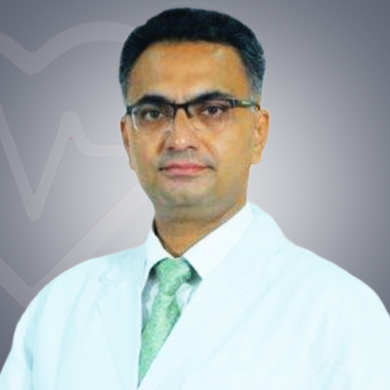
Dr. Puneet Mishra
Orthopaedic Surgeon
25 Years of Experience
Known among his patients for treating with compassion and personal care, Dr. Puneet Mishra is one of the best orthopedic surgeons in New Delhi. Dr. Puneet completed his MBBS from Maulana Azad Medical College in 1996 and from the same college he completed his MS (orthopedics) in 2000. With almost 25+ years of surgical experience under him, Dr. Pankaj takes pride in working with some of the finest medical institutions of the world such as University Hospital, Bern, Maulana Azad Medical College, New Delhi, Endoklinik, Germany, and Professor and Consultant orthopedician at Guru Teg Bahadur Hospital, New Delhi. View More
Last Reviewed - January 2026