Astigmatism Treatment in Turkey
- Top Accredited Hospitals
- Global Medical Standards
- Cutting-Edge Technology
- Proven Treatment Options
- High Success Rate
- Trusted by Millions

What is astigmatism?
Astigmatism is a common refractive error that causes blurred or distorted vision because the cornea or lens has different curvatures in different directions, causing light to focus unevenly. . The eye does not focus light uniformly onto one point on the retina but instead onto a variable point, leading to blurred vision.
What is the Importance of Timely Treatment?
Timely treatment matters because it helps provide clear, comfortable vision and can reduce problems such as eye strain, headaches, and difficulty seeing at night. In children, early detection matters because significant, untreated astigmatism can interfere with normal visual development and may contribute to amblyopia (lazy eye). Regular eye exams can identify astigmatism early and determine the best vision correction.
What are the common symptoms of astigmatism?
- Fatique
- Headaches
- Squinting eyes to see clearly
- Visual discomfort
- Difficulty in focusing objects
- Eye strain or tired eyes.
Causes and Risk Factors of Astigmatism
Causes
- Uneven corneal shape
- Irregular lens shape:
- Astigmatism from birth
- Eye Injury
- Previous eye surgery
- Corneal conditions like keratoconus and lenticonus
Risk Factors
- Family history of astigmatism.
- Childhood astigmatism
- Previous eye trauma
- Complications after eye surgery
- Worsening refractive errors
Latest Research and Technologies in the Treatment of Astigmatism in Turkey
Recent advances in astigmatism treatment include customised laser procedures such as topography-guided LASIK and newer approaches such as ray-tracing-guided LASIK and SMILE Pro. These techniques aim to improve treatment planning and the accuracy of refractive correction in suitable patients. In Turkey, some specialist eye centres offer advanced refractive surgery and preoperative assessments using technologies such as corneal topography, pachymetry and aberrometry. The availability of newer laser platforms varies by centre, and the most appropriate procedure depends on the degree and type of astigmatism, corneal thickness, eye health, and individual eligibility.
Treatment options for Astigmatism
Refractive surgery: Refractive surgery can treat astigmatism, depending on type and severity. Some of the surgical techniques are
LASIK (Laser-assisted in-situ keratomileusis) : In this procedure, an eye surgeon makes a thin, hinged flap in the cornea, uses an excimer laser to sculpt the cornea's shape, and then repositions the flap.
Cost Start From 1500Explore Options
LASEK (laser-assisted subepithelial keratectomy): The surgeon loosens the corneal surface (epithelium), which is a thin cover on the cornea. Utilizes an excimer laser to alter the curvature of the cornea and then repositions the loosened epithelium over the cornea.
PRK (Photorefractive keratectomy): This procedure is similar to LASEK, except the surgeon removes the epithelium. The epithelium regenerates to form the new corneal shape. You may need a bandaged contact lens for a few days after surgery.
Epi-LASIK: This is an adapted version of LASEK. The surgeon uses a special mechanised blunt blade to separate a very thin sheet of epithelium. Then, the surgeon reshapes the cornea using an excimer laser and replaces the epithelium.
SMILE (small incision lenticule extraction): This newer type of refractive surgery reshapes the cornea by using a laser to make a lens-shaped bit of tissue (lenticule) below the cornea's surface. The surgeon then extracts the lenticule through a very small incision.
- Clinical assessment:
- Visual acuity test: Determines the extent of vision.
- Refraction test: Determines the amount and axis of astigmatism.
- Slit-lamp examination: Examines the cornea, lens, and other structures at the front of the eye for abnormalities or scarring
- Imaging tests:
- Corneal topography: Provides a detailed map of the front of the cornea and demonstrates changes in the curvature of the front of the cornea.
- Corneal tomography: Provides three-dimensional data on the front and back surfaces of the corneal thickness.
- Anterior segment OCT: Creates cross-sectional images of the cornea and other front-of-the-eye structures.
- Pachymetry: Measurement of the thickness of the cornea, and may be significant in determining eligibility for laser vision correction.
Treatment mainly focuses on correcting vision. If astigmatism results from another underlying eye disease, that disease may need specific medical treatment. Dryness or discomfort of the eyes may be experienced with blurring, which may be relieved with artificial tears but will not correct astigmatism itself.
Instantly Connect with our Specialists


Hospitals for Astigmatism in Turkey
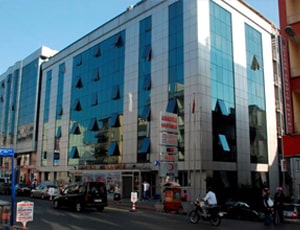
Eregli Anadolu Hospital
Zonguldak, Turkey
Apart from in-detail treatment procedures available, Eregli Anadolu Hospital located in Zonguldak, Turkey has a wide variety of facilities available for International Patients. Some of the facilities which are provided by them are Accommodation, Airport Transfer, Choice of Meals, Interpreter, SIM, TV inside room. Also listed below are some of the most prominent infrastructural details:
- Latest cutting edge technology applied in the diagnostic and medical treatment equipment and processes.
- Complex and critical conditions have been treated by the hospital over time.
- Inbuilt area is 9000 square meters
- 130 inpatient bed capacity
- 30 physicians working in the hospital
- A number of polyclinics
- Diagnostic facilities such as with imaging, sleep labs, biochemistry labs
- Emergency rooms available
- Intensive care units for critical cases
- Operation theatres with latest facilities

Medical Park Ordu Hospital
Ordu, Turkey
Apart from in-detail treatment procedures available, Medical Park Ordu Hospital located in Ordu, Turkey has a wide variety of facilities available for International Patients. Some of the facilities which are provided by them are Accommodation, Airport Transfer, Choice of Meals, Interpreter, SIM, TV inside room. Also listed below are some of the most prominent infrastructural details:
- A total inpatient bed availability of 206 beds including 38 patient observation
- 47 Intensive Care Beds
- 19 beds in General Intensive Care Unit
- 10 in Coronary Intensive Care Unit
- 6 in Cardiovascular Intensive Care Unit
- 12 in Neonatal Intensive Care Unit
- Medical Oncology Unit
- Cardiovascular Unit
- Sleep Laboratory
- Emergency ward- comprises a CPR room, a first response room, a wound dressing room, a short stay unit, and private observation rooms that protects privacy
- Observation Rooms
- 6 full-fledged operating theaters, including 1 reserved for Cardiovascular Surgery operations
- Every room is furnished with every detail to provide a comfortable stay for patients, such as nurse call system, computer access system, and controllable patient bed in each room
- Suite rooms that are specially designed for patients with infectious diseases and ensure the required isolation, are put at the disposal of patients in the hospital's inpatient ward

Baskent University Istanbul Hospital
Istanbul, Turkey
Baskent University Istanbul Hospital located in Istanbul, Turkey is accredited by ISO. Also listed below are some of the most prominent infrastructural details:
- 13.000 square meters indoor area
- Aesthetically designed Inpatient rooms
- Latest healthcare equipments
- 105 bed capacity
- 5 operating rooms
- 38 bed capacity in the Intensive Care Unit
- 609 healthcare personnel and healthcare professors
- Translation services for International patients
Our Services to better your experience
Opinion & Option
We submit the most accurate opinion and options from one or more countries for your review
Consult Privately
Consult with a certified specialist privately on our telemedicine platform even before you decide to travel
Logistics
We handle flights, visas, transfers, and accommodation—so you can focus on your health.
Recovery
Our In-house rehabilitation service packages to better your recovery and treatment outcome
Why Choose Turkey for Astigmatism Treatment?
- Specialised hospitals: Turkey has many eye hospitals and ophthalmologists who specialise in diagnosing refractive errors like astigmatism and treating them accordingly.
- Cutting-edge technology: Many of these centres offer advanced technologies like corneal topography, corneal tomography, wavefront analysis, femtosecond lasers, LASIK, PRK, or SMILE, when appropriate for the right patient.
- Affordable treatment: treatment charges for international patients can also be relatively economical, as they vary by procedure, hospital, and individual eye condition.
- International patient support: Some providers assist with appointments, medical records, travel arrangements, and follow-up planning. Services vary by hospital.
Frequently Asked Questions

Reviewer
Dr. Vidit Tripathi
ENT Surgeon
24 Years of Experience
One of the finest ENT Surgeon in New Delhi, India, Dr. Vidit Tripathi, has worked with several world class multidisciplinary hospitals over the years. Dr. Vidit Tripathi has over 24+ years of experience in his field. The specialist treats and manages a wide range of conditions such as Goiter, Radiation Necrosis in Neck, Neck Injury, Perforates Eardrum View More
Last Reviewed - January 2026