Aplastic Anemia Treatment in India
- Top Accredited Hospitals
- Global Medical Standards
- Cutting-Edge Technology
- Proven Treatment Options
- High Success Rate
- Trusted by Millions

What is Aplastic Anemia?
Aplastic anemia is an uncommon and life-threatening blood disorder in which the bone marrow's production of new blood cells is inadequate. Thus, red blood cells, white blood cells, and platelets are deficient. Symptoms of this disorder include anemia, fatigue, weakness, an increased risk of infections, and easy bruising or bleeding.
What is the Importance of Timely Treatment?
- Prevention of Catastrophic Complications: Early intervention reduces the risk of comorbidity-threatening infection, spontaneous bleeding, and anoxic damage from anemia. Left unchecked, these become serious health threats. Early attention may ensure that no permanent damage will occur.
- Improved Prognosis: Prompt treatment initiation, including in cases where a bone marrow transplant or immunosuppressive therapy is performed, enhances recovery opportunities and minimises long-term complications. Prompt treatment means improved chances of survival, especially for younger patients.
- Prevention of Disease Advancement: Aplastic anaemia may progress from mild to severe if left untreated. Timely intervention helps avoid these complications, thereby preventing investment in bone marrow failure and complicating emergency treatments that are less effective later.
- Better Response to Treatment: When treatment is started early, it gives a good chance of recovery, such that immunosuppressive therapy or a bone marrow transplant is successful. Early initiation of treatment is in the best interest of recovery and lessens long-term effects.
- Reduced Need for Blood Transfusion: Timely intervention reduces the need for frequent transfusions, which come with risks such as iron overload. Less dependency on blood transfusions minimises further complications and long-term health problems.
What are the Common Symptoms of Aplastic Anemia?
- Fatigue
- Vision Problems
- Numbness or Tingling
- Muscle Weakness
- Difficulty Walking and Balance Problems
- Spasticity (Muscle Stiffness)
- Cognitive Changes
- Bladder and Bowel Problems
- Dizziness and Vertigo
- Pain
- Speech and Swallowing Difficulties
- Emotional Changes
- Heat Sensitivity
Causes and Risk Factors of Aplastic Anemia
Causes
- Immune System Dysfunction
- Genetic Factors
- Environmental Triggers
- Viral Infections
- Smoking
Risk Factors
- Age
- Gender
- Family History
- Vitamin D Deficiency
- Previous Infections
- Other Autoimmune Diseases
- Pregnancy
- Obesity
Connect with our advisor for a PRIORITY response
Latest Research and Technologies in the Treatment of Aplastic Anemia in India
The medical treatment of Aplastic Anemia in India adapts the newest research and technologies to meet worldwide clinical standards and healthcare capabilities.
- Agonist Receptor Treatment: Thrombopoietin receptor agonists are increasingly used alongside immunosuppressive therapy. They have shown promising results in improving response rates in patients with aplastic anemia. This treatment strategy offers an alternative, especially when traditional methods fail.
- Immunosuppressive Therapy (IST) Advances: IST, particularly with antithymocyte globulin (ATG) and cyclosporine A, remains a first-line treatment. Studies in India are focusing on optimising the use of indigenous equine ATG for more accessible and cost-effective options.
- Bone Marrow Transplantation (BMT) remains the most effective treatment for severe cases. Technique and post-transplant care improvements have boosted success rates to around 80%. It is most beneficial for younger patients with suitable donors.
- Cost-Effective Alternatives: High treatment costs are a barrier, particularly for horse ATG and BMT. Research in India is looking for more affordable therapies, including indigenous alternatives like equine ATG, to make treatment accessible to more patients.
- Clinical Trials and Ongoing Research: India is conducting clinical trials to explore new drug combinations, such as eltrombopag, with other therapies to optimise treatment outcomes for aplastic anemia. These trials aim to develop regimens suited to the Indian population’s needs.
Aplastic Anemia Prevention Tips
- Minimise Toxics and Chemicals: Protect your body as much as possible against harmful substances, such as benzene (usually found in some industrial chemicals) or pesticides. These toxic chemical agents damage Bone marrow. If working in such environments, use emergent protective gear.
- Limit Radiation: Avoid unnecessary radiation exposure, such as too many X-rays or CT scans. Instead, adhere to safety precautions during medical treatment to reduce the risks of damage to the marrow.
- Proper Use of Medicine: Some, if not most, medicines, especially chemotherapy drugs and certain antibiotics, result in the suppressed production of bone marrow. In all cases, take medications under medical supervision and always consult your doctor about medication risks.
- Vaccination and Disease Prevention: Viral infections like hepatitis and the Epstein-Barr virus can trigger aplastic anaemia, so stay current with vaccinations and maintain good hygiene to reduce the risk of infections.
- Regular Health Check-Ups: Health checks can be handy to detect disease susceptibility very early, especially among families prone to hereditary conditions in bone marrow disorders or other autoimmune conditions. Early recognition with immediate treatment will avoid a lot of complications and prevent total complications from occurring in the future.
Treatment options for Aplastic Anemia
The medical treatment for Aplastic Anemia requires evaluating the patient's severity and medical condition. The following are the treatment options:
Bone Marrow Transplantation (BMT): This is usually the treatment of choice for severe aplastic anemia, particularly in younger patients with a matched donor.
Cost Start From USD 25000 - USD 35000Explore Options
Immunosuppressive Therapy (IST): Most patients are treated with immunosuppressive therapy because they are not candidates for a BMT.
Cost Start From USD 3000 - USD 5000Explore Options
Blood Transfusions: These might be needed for symptomatic relief in patients with mild to moderately severe aplastic anemia. Patients most often require red blood cell transfusions for anemia and platelet transfusions to prevent spontaneous bleeding due to low platelet counts.
Stem Cell Therapy: This approach uses stem cells to regenerate diseased bone marrow and its corresponding restoration of normal blood cell production.
Cost Start From USD 18000 - USD 36000Explore Options
These are the standard diagnostic methods for diagnosing Aplastic Anemia:
- Blood Tests:
- Complete Blood Count: An overall blood cell count is usually one of the first tests to analyse for aplastic anaemia and assesses the levels of all three cell types in the blood: red cells, white cells, and platelets.
- Bone Marrow Biopsy: It consists of sampling the bone marrow from the hip bone and examining it microscopically.
- Bone marrow aspiration: A liquid sample of bone marrow is obtained for testing together with a bone marrow biopsy.
- Flow Cytometry: Flow Cytometry is used to analyse the populations of cells within the bone marrow for any aberrations.
- Cytogenetic testing: This test provides insight into the genetic material of bone marrow cells to find out chromosomal abnormalities perhaps associated with aplastic anemia.
- Serum Erythropoietin (EPO) Level: An EPO is produced by the kidney to stimulate the red blood cell system.
- Fanconi Anemia Tests: If inherited forms of aplastic anemia are suspected, particularly Fanconi anemia, testing for chromosomal breakage may be requested.
MediRehab (a chain of Rehab centres, part of MediGence) provides comprehensive rehabilitation services designed to support patients in India. Additional services are as per the patient's requirement. These services include:
- Physical Rehabilitation: This involves restoring strength and mobility through physical and occupational therapies. Exercises strengthen the muscle groups, improve endurance, and enhance daily functioning, thereby aiding the patient's efforts against fatigue and weakness.
- Psychological Support: Services, including counselling and support groups help patients deal with emotional hurdles like depression and anxiety. Such services assist in helping patients cope with the stress and isolation imposed by the diagnosis of aplastic anemia.
- Nutritional Considerations: Ensure patients receive adequate nourishment to assist them during recovery and the maze of symptoms. A personalised regimen for diet and supplements will work toward correcting deficiencies and promoting overall health.
- Fatigue Management: Teaches energy conservation techniques such as pacing activities and adaptive aids to reduce fatigue. These techniques help the patients maintain some degree of performance despite ongoing fatigue.
- Infection Prevention and Follow-Up Care: The infection-prevention aspects of sanitation, education, and follow-up check-ups are initiated to help keep infections at bay. Long-term monitoring helps to ensure other complications are detected at much earlier stages and assists in ongoing recovery post-treatment.
Instantly Connect with our Specialists


Hospitals for Aplastic Anemia in India

Regen Ortho Sport
Mumbai, India
Regen Ortho Sport is a specialized facility in Bandra East, Mumbai, that provides patients of all ages with top-notch medical care. The professionals on the hospital's staff are extremely knowledgeable and proficient in their fields. At the hospital, patients may anticipate receiving excellent care, including operations, treatments, and procedures.
Regen Ortho Sport also offers a wide range of treatments to promote the health and well-being of its patients. The hospital provides a range of packages based on the demands and finances of its patients.
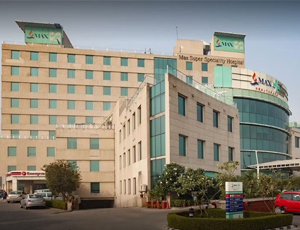
Max Super Specialty Hospital, Shalimar Bagh
Delhi, India
- Max Super Speciality Hospital, Shalimar Bagh, is a 402-bed quaternary-care hospital in New Delhi, offering advanced treatment across 37+ specialities, including Cancer, Cardiac, Neurosciences, Gastroenterology, Orthopaedics, and Renal Transplant.
- Equipped with state-of-the-art technology and a team of highly skilled doctors and nurses, the hospital provides complex procedures, minimally invasive surgeries, and targeted cancer treatments, making it one of India’s leading healthcare destinations.

Amrita Hospital
Faridabad, India
Founded in 1998 by Mata Amritanandamayi (Amma), the Amrita Institute of Medical Sciences and Research Centre is one of India’s leading healthcare institutions, accredited by ISO, NABH, and NABL. With 2 branches, 7 medical colleges, and a network of 800+ doctors and 2,600+ beds, it offers comprehensive care across 81 specialties and 12 super-specialty departments, supported by 60+ modern operating theatres and 534 critical care beds. The Faridabad campus, a world-class multispeciality facility, houses advanced centers for oncology, neurosciences, cardiac sciences, gastro-sciences, mother and child care, and trauma care, along with India’s most comprehensive infectious disease unit. Guided by a mission of compassion and innovation, Amrita Hospitals combine cutting-edge medicine with humanitarian service to empower communities and promote holistic well-being.
Our Services to better your experience
Opinion & Option
We submit the most accurate opinion and options from one or more countries for your review
Consult Privately
Consult with a certified specialist privately on our telemedicine platform even before you decide to travel
Logistics
We handle flights, visas, transfers, and accommodation—so you can focus on your health.
Recovery
Our In-house rehabilitation service packages to better your recovery and treatment outcome
Why Choose India for Aplastic Anemia Treatment?
The following are the much-growing reasons for India being frequented for Aplastic Anemia treatment:
- World-Class Health Services at Affordable Costs: The nation is proficient in advanced medical technologies and treatments, including high-quality care at often dissimilar cost ratios of Western countries.
- Most Qualified Professionals: Patients will find internationally trained, renowned hepatologists, surgeons, and specialists. Medical and individualised treatment options will complement the value of the care provided by the best experts in India.
- Complete Medical Services: From advanced diagnostic tools such as elastography and imaging to liver transplants, India has gone the extra mile to provide patients with cutting-edge facilities for total Aplastic Anemia treatment.
- Mature Medical Tourism: India is becoming a central international hub for medical tourism. Many accredited hospitals provide excellent service to international patients, including easy accessibility, visa assistance, and organised packages.
- Holistic Treatment: Most hospitals in India work towards a mainstream plus traditional treatment regime, including even Ayurvedic treatments, for complete liver health recovery and wellness, thus attending to emotional and physical wellness.
Frequently Asked Questions
Aplastic anemia can be managed with treatment; however, the disease's severity and outcome of therapy matter the most. Bone marrow transplantation gives the best chance of successful elimination, mainly when performed on younger patients. Immunosuppressive therapy can improve some aspects of the disease.
Prevention strategies are rare, but restricting exposure to toxic agents, radiation, and specific drug therapies is a way to minimise the possibility of occurrence. Vaccination against relevant diseases and maintaining good hygiene can prevent infective causes which can trigger this condition.
Each patient's prognosis will differ depending on the severity and response to treatment. However, survival rates have generally improved with the earliest diagnosis and appropriate treatment, especially for bone marrow transplants. Unfortunately, severe, untreated cases can be fatal.
Some possible complications are organ failure related to anemia, infections, and haemorrhages, as well as long-term complications of treatment, such as iron overload after repeated blood transfusions or graft-versus-host disease (GVHD) following bone marrow transplants.
People of any age, including children, can also be affected by aplastic anemia. Bone marrow failure is most commonly seen in inherited conditions such as Fanconi anemia, primarily in young individuals.
There are effects of aplastic anemia on daily life due to fatigue, increased susceptibility to infections, and bleeding tendencies. Continuous medical care, blood transfusions, and relief of symptoms are often required.
This is rare in India, yet many health problems exist. All ages are affected, and most cases seem idiopathic aplastic anemia. This ailment's worse or graver aspect appears prevalent in young adults.
Advancements in bone marrow transplantation and immunosuppressive therapies have improved the survival rates in India for severe aplastic anemia. Early diagnosis and treatment significantly influence better outcomes since there is a high success rate for those who receive a transplant from a matched sibling donor.
Haematologists specialising in the field have set up centres offering bone marrow transplantation in all major cities. A competent haematologist or blood disorder-specialized hospital must be consulted for the most accurate diagnosis and treatment option.
Genetic or inherited types of aplastic anemia exist, such as Fanconi anemia and Shwachman-Diamond syndrome. Genetic testing and counselling are advisable to families which report a history of bone marrow failure disorders to evaluate the risk and to think about early intervention.
Recovery from aplastic anaemia varies according to the illness's gravity and the treatment technique. A bone marrow transplant will take several months, yet those receiving immunosuppressive therapy are likely to show improvement in a few months with continued following care.
Aplastic anemia can be experienced significantly by an affected employee who tends to be state-of-the-art, leaks into the walls of the minor workplace, infects with high fever and bleeds more easily. Many patients must take time off work or may require accommodations to manage their symptoms. Vocational rehabilitation and support from employers can help facilitate their return to work.
Author

Dr. Shagufta Parveen
Dr. Shagufta Parveen is a Clinical researcher and medical writer with expertise in clinical pharmacology and pharmacotherapeutics. She holds a B.Pharm and Doctor of Pharmacy (Post-Baccalaureate) degree from Teerthanker Mahaveer University, Moradabad.
During her clinical stint at BLK-Max Super Speciality Hospital and Indraprastha Apollo Hospital, she gained hands-on experience in the Clinical Pharmacology Department. Combining scientific knowledge with strong medical writing skills, Dr. Shagufta develops evidence-based healthcare content, treatment guides, and patient education resources.
Her work focuses on simplifying complex medical concepts while maintaining scientific accuracy, helping readers better understand healthcare advancements and treatment options.
In addition to her writing expertise, she is actively involved in scientific research and has contributed to peer-reviewed publications.
Her research work is accessible through the following links:
https://scholar.google.com/citations?user=lMVK1eIAAAAJ&hl=en
https://carcinogenesis.com/index.php/JOC/article/view/870
https://carcinogenesis.com/index.php/JOC/article/view/868
https://wjpsronline.com/abstract/0000000760
View MoreReviewer

Dr. Mohit Agarwal
Medical Oncologist
14 Years of Experience
One of the finest Oncologist in New Delhi, India, Dr. Mohit Agarwal has worked with several world class multidisciplinary hospitals over the years. Dr. Mohit Agarwal has over 14+ years of experience in his field. The doctor treats and manages a wide range of conditions such as Stomach Cancer, Rectal Cancer, Breast Cancer, Brain Cancer View More
Last Reviewed - January 2026