78 Specialists
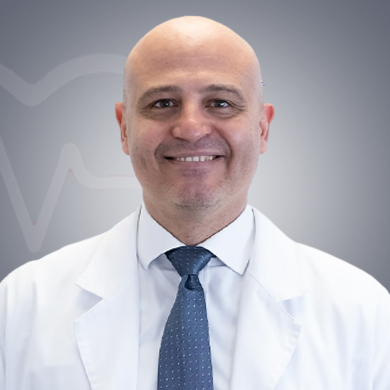
Cardiologist
Baskent University Istanbul Hospital , Istanbul, Turkey
24 Years of experience
Speaks: Turkish , English
Dr. Hakan Altay is a specialized Interventional Cardiologist in Turkey. And one of the most sought after medical specialists in Istanbul, Turkey. The doctor has over 20 Years of experience and is associated with Baskent University Istanbul Hospital.
Association and Memberships Dr. Hakan Altay is part of:
- Member of Board, Heart Failure Study Group, Turkish Society of Cardiology (2 Terms)
- ESC (European Society of Cardiology) HFA (Heart Failure Association) Heart Failure Specialists of Tomorrow (HOT) National Representative for Turkey
- Fellow of HFA (Heart Failure Association)
Qualifications :
- 1993 â 2000 School of Medicine (English), Hacettepe University
Hospital Address :
Altunizade, BAKENT
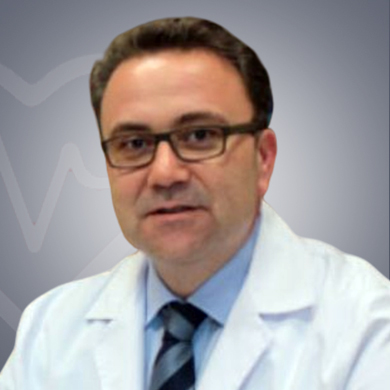
Cardiac enterologist
Medicana International Samsun Hospital , Samsun, Turkey
29 Years of experience
Speaks: Turkish , English
Dr Murat Kusdul is one of the best Cardio Thoracic & Vascular Surgeon in Samsun, Turkey. The medical practitioner holds over 18 years of experience and is associated with Medicana International Samsun Hospital.
Certifications :
- Training: Ondokuz May?s University Faculty of Medicine 2001
Qualifications :
- Samsun Ondokuz May?s University Faculty of Medicine - Doctor of Medicine, 1995
- Post-graduate Missions: Samsun Mehmet Ayd?n State Hospital 2001-2007
Hospital Address :
Yenimahalle Mahallesi, Medicana International Samsun, ?ehit Mesut Birinci Caddesi, Canik/Samsun, Turkey
Medical Expertise of Dr. Murat Kusdul
- Dr. Muratâs areas of interest include Aortic Surgery, Diabetes Surgery, General Cardiovascular Surgery, Hypertension (High Blood Pressure), Coronary Artery Occlusion, Coronary Bypass, Minimally Invasive Heart Surgery, Mitral Valve Problem, sclerotherapy, Varicose Surgery, Chest Pain, Heart Compression, Heart Rheumatism, Heart Rhythm Disorder, Heart diseases
- Dr. Murat is highly recognized in Turkey for his proficient skills, patient dealing and groundbreaking work in the field
- Dr. completed his specialization in Ondokuz Mayıs University Faculty of Medicine and became a Cardiovascular Surgery Specialist in 2001.
- He gained his professional experience at Samsun Mehmet Aydın State Hospital, and Samsun Private Mediva Hospital
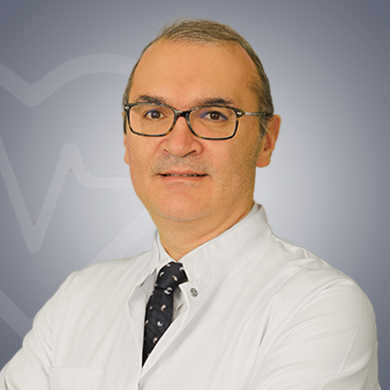
Cardiac enterologist
Acibadem University Hospital Atakent , Istanbul, Turkey
32 Years of experience
Speaks: Turkish , English
Dr Oner Gulcan is one of the leading Cardio Thoracic & Vascular Surgeon in Istanbul, Turkey. The clinician holds over 17 years of experience and is associated with Acibadem University Hospital Atakent.
Association and Memberships Dr. Oner Gulcan is part of:
- National Society of Vascular Surgery
- Turkish Society of Cardiovascular Surgery
Qualifications :
- 2006 - 2013 Baskent University Faculty of Medicine Department of Cardiovascular Surgery / Associate Professor
- 1999 ?nn University Faculty of Medicine Cardiovascular Surgery
- 1992 Dokuz Eyll University Faculty of Medicine
Hospital Address :
Halkal Merkez Mahallesi, Acibadem University Hospital Atakent, Halkal Altnehir stanbul Caddesi, K
Medical Expertise of Dr. Oner Gulcan
- Dr. Oner has vast experience in the management of various cardiovascular diseases.
- He also specializes in and performs several surgeries such as cardiac valve replacement, heart double valve replacement, and heart port surgery.
- Dr. Oner Gulcan is a very well-known cardiovascular and thoracic surgeon in Turkey, having worked for a number of reputable hospitals and organisations, including Acbadem Healthcare Group.
- Also, he got the title of Associate Professor at Baskent University Faculty of Medicine, Department of Cardiovascular Surgery.
- Dr. Oner Gulcan has delivered papers at various international and national conferences in addition to his work.
- He has also authored a number of scientific publications that piqued the interest of many people.
- Moreover, he is a member of the National Vascular Surgery Association, and Turkish Society of Cardiovascular Surgery
Do you know?
Using MediGence’s Telemedicine Platform, you can book a personalized video consultation with renowned doctors around the world

How it Works
- Choose the doctor/doctor type
- Book a Slot based on availability
- Fill in your personal details (Name, Phone Number, Symptoms)
- Make online payment via payment gateway
- Our patient care team will assist you in getting in touch with the doctor in the meeting room
What do we recommend?
Please make sure to see your doctor using Telemedicine before you even board a flight