Your Notifications
All done, no notifications

32 Specialists

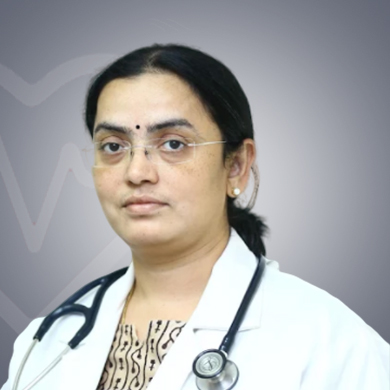
Dr. Anuradha Sridhar

Pediatric Cardiologist

, Chennai, India

26 Years of experience

Speaks: Hindi , English


Dr Anuradha Sridhar is one of the best Pediatric Cardiologist in Chennai, India. The doctor holds over 11 years of experience and is associated with Apollo Hospital.

Association and Memberships Dr. Anuradha Sridhar is part of:

  • Paediatric Cardiology Society of India

Qualifications :

  • MBBS
  • DNB
  • FNB

Hospital Address :

Apollo Hospital Greams Road Chennai - Best Hospital in Chennai, Greams Road, Thousand Lights West, Thousand Lights, Chennai, Tamil Nadu, India

Medical Expertise of Dr. Anuradha Sridhar

  • Cardiac diseases in children such as Patent Foramen Ovale, Atrial Septal Defect, Patent Ductus Arteriosus, Endocarditis, Pulmonary Hypertension, Heart Failure, and many others.
  • Arrhythmia treatments, Intracardiac electrophysiology study (EPS), Intravascular ultrasound (IVUS), and Cardiac emergencies are her expertise.
  • Dr. Anuradha Sridhar has nearly two decades of experience as a paediatric cardiologist.
  • Dr. Anuradha Sridhar is a member of Paediatric Cardiology Society of India.
  • Her educational background comprises an MBBS, DNB, and FNB degree.
  • Dr. Anuradha Sridhar is a multilingual individual who speaks English, Tamil, Telugu, and Hindi.
View Profile
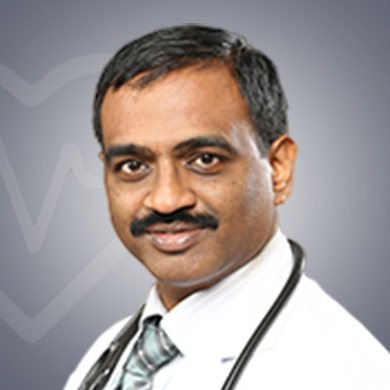
Dr. Suman Vyas

Pediatric Cardiologist

, Hyderabad, India

30 Years of experience

Speaks: Telugu , English


Dr Suman Vyas is one of the leading Pediatric Cardiologist in Hyderabad, India. The clinician holds over 27 years of experience and is associated with Star Hospitals.

Association and Memberships Dr. Suman Vyas is part of:

  • Andhra Pradesh Medical Council

Qualifications :

  • MBBS
  • MD
  • DNB

Hospital Address :

Star Hospitals, Banjara Hills, Hyderabad, Telangana, India

View Profile

Frequently Asked Questions

Do Indian hospitals utilise advanced cardiac technologies for balloon atrial septostomy?

Yes. Leading hospitals in India, both public and private, are equipped with cutting-edge cardiac catheterisation technology for Balloon Atrial Septostomy (BAS). These technologies include: pediatric cardiac catheterisation labs with real-time fluoroscopic and echocardiographic imaging, high-frequency ventilators and neonatal intensive care units, 3D cardiac mapping systems for precise defect assessment, and multidisciplinary teams including paediatric cardiologists, neonatologists, and cardiac anesthesiologists.

MediGence connects international patients with these hospitals, providing safe and timely access to emergency and elective congenital heart interventions, such as balloon atrial septostomy.

Do Indian paediatric cardiologists have experience with balloon atrial septostomy procedures?

Yes. Indian paediatric cardiologists and interventional teams are highly experienced in balloon atrial septostomy, particularly for infants with transposition of the great arteries (TGA), hypoplastic left heart syndrome, and other critical congenital heart conditions. MediGence features top India-based cardiologists trained in paediatric and neonatal cardiac interventions, many of whom have completed fellowships in the USA, UK, or Europe.

What qualifications and experience do Indian cardiologists have for BAS procedures?

In India, pediatric cardiologists or interventional pediatric cardiologists perform balloon atrial septostomy (BAS). After completing a medical degree, these physicians typically pursue a pediatric cardiology fellowship and a pediatric residency. In tertiary hospitals or abroad, specialised training in congenital heart disease and catheter-based procedures is usually acquired through practical experience. MediGence lists only board-certified, verified paediatric cardiologists with expertise in high-risk neonatal procedures.

What conditions require balloon atrial septostomy?

Balloon Atrial Septostomy is performed to create or enlarge an atrial septal communication, typically to improve oxygenated blood mixing in newborns with:

  • Transposition of the great arteries (TGA)
  • Tricuspid atresia
  • Pulmonary atresia with intact ventricular septum (PA/IVS)
  • Hypoplastic left heart syndrome (HLHS)
  • Other ductal-dependent or cyanotic congenital heart defects

The procedure is often urgent and done within hours or days of birth to stabilise the baby until definitive surgery can be performed.

Can balloon atrial septostomy cure congenital heart disease?

No, balloon atrial septostomy is a palliative, not curative procedure. Its goal is to temporarily stabilise the infant by improving oxygenation before a definitive surgical repair can be done. Its benefits include:

  • Improved blood oxygen levels
  • Stabilisation of cardiac output
  • Delay or avoidance of emergency open-heart surgery
  • Increased survival in critical neonatal heart conditions

Following balloon atrial septostomy, patients are typically scheduled for surgical correction within a few weeks, depending on their condition.

Is balloon atrial septostomy available in India for international patients?

Yes. India offers high-standard paediatric cardiac care, including balloon atrial septostomy, for international patients. Services include access to 24/7 paediatric cardiac emergency teams as well as seamless coordination of visas, travel, and accommodations, and family support services and neonatal aftercare. Through MediGence, international patients can quickly coordinate time-sensitive procedures, such as balloon atrial septostomy, at world-class hospitals in India with minimal delays.

Can I consult with a paediatric cardiologist online before travelling to India?

Yes, Many paediatric cardiologists in India offer virtual consultations through MediGence to:

  • Review fetal echocardiograms, postnatal scans, and genetic reports
  • Assess the need and timing for balloon atrial septostomy or other interventions
  • Advise on travel timing, NICU readiness, and surgical follow-up
  • Provide detailed cost estimates and hospital stay expectations
  • Discuss surgical pathways post-balloon atrial septostomy, such as the arterial switch operation

This proactive planning ensures the child receives immediate care upon arrival in India.

How can I verify the credibility of a paediatric cardiologist in India?

Comprehensive doctor profiles, including education, years of experience, and procedural focus, are frequently available on hospital websites. A reliable indicator of specialisation is the Indian Medical Council, the Indian Society of Paediatric Cardiology, or the Heart Association of India. It can also be comforting to read patient testimonials on medical websites or global health platforms. MediGence ensures that only pre-screened, highly experienced specialists are listed, and their care team offers one-on-one support to guide you.

How soon should balloon atrial septostomy be performed after birth?

Balloon atrial septostomy is usually performed within the first hours to days of life, especially in cyanotic neonates with critical heart defects. Delay can lead to:

  • Severe hypoxia
  • Metabolic acidosis
  • Irreversible organ damage
  • Cardiac arrest
  • Prompt diagnosis via fetal echo or early neonatal screening allows immediate planning.

MediGence helps coordinate pre-booked neonatal care pathways for such urgent needs.

What post-procedure care is needed after Balloon atrial septostomy?

Post-procedure care for Balloon atrial septostomy includes continuous cardiac and oxygen monitoring in the NICU, echocardiographic follow-up to assess atrial communication, medication for heart function or rhythm support, planning for definitive surgical repair (arterial switch, Glenn, Fontan), and parental counselling and nutritional support for infants.

MediGence supports families with post-op planning, second opinions, and referrals to surgeons for the next steps in congenital heart care.