Your Notifications
All done, no notifications

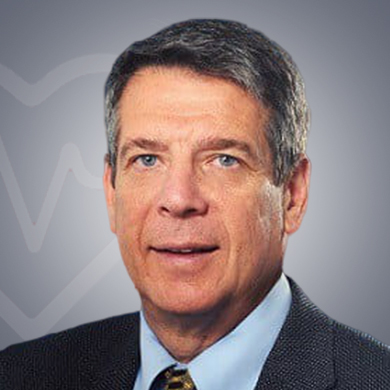
Dr. Jacob Ramon

Urologist

, Ramat Gan, Israel

15 Years of experience

Speaks: Hebrew , English


Dr. Jacob Ramon is a specialized Urosurgeon in Israel. And one of the most sought after medical specialists in Tel Hashomer, Israel. The doctor has over 15 Years of experience and is associated with Sheba Medical Center.

Association and Memberships Dr. Jacob Ramon is part of:

  • Member of Israeli Urological Association

Qualifications :

  • MD graduate from the Hadassah Medical School, Hebrew University of Jerusalem
  • Specialization in Urology, Sheba Medical Center
  • Specialization in Reconstructive Urological Surgery and Uro-Oncology at Duke University, USA,
  • St. Jean Toulouse University, and Bichat Hospital, Paris.

Hospital Address :

Sheba Medical Center, Derech Sheba, Ramat Gan, Israel

What is the medical expertise of Dr Jacob Ramon?

  • Dr Jacob Roman has 15 years of experience in treating bladder tumours, urinary tract diseases, polycystic kidney diseases, erectile dysfunction, kidney angiomyolipoma, and kidney cancer. He can also perform laparoscopic and reconstructive surgeries.
  • He is a member of the Israeli Medical Association. In addition to being an esteemed member of several prominent organizations such as the European Organization for Urology, he was also appointed as the President of the Israel Association of Urology in 2002 and held this position for around 4 years.
  • He has published his work in numerous journals. Some of his works include:
    1. Rosenzweig B, Bex A, Dotan ZA, Frydenberg M, Klotz L, Lotan Y, Schulman CC, Tsaur I, Ramon J. Trends in urologic oncology clinical practice and medical education under COVID-19 pandemic: An international survey of senior clinical and academic urologists. Urol Oncol. 2020 Dec;38(12):929.e1-929.e10.
    2. Lazarovich A, Raviv G, Laitman Y, Portnoy O, Raz O, Dotan ZA, Ramon J, Rosenzweig B. Histology results of systematic prostate biopsies by in-bore magnetic resonance imaging vs. transrectal ultrasound. Can Urol Assoc J. 2021 May;15(5): E244-E247.

How can you reach Dr Jacob Ramon?

If you wish to avail consultation from the doctor then you can get in touch with us by clicking on the " book hospital visit" on the doctor's profile page.

Frequently Asked Questions
Which are some of the procedures performed by Urosurgeons in Tel Hashomer, Israel?

Most common procedures performed by urosurgeons in Tel Hashomer are:

    Which are some of the conditions treated by Urosurgeon in Tel Hashomer, Israel?

    Some of the conditions performed by urosurgeons in Tel Hashomer, Israel are:

    • Bladder Cancer
    • To restore Fertility in Males
    • Prostate Cancer
    • Shrunken Kidney
    • Kidney Cancer
    • Symptomatic Hydronephrosis
    • Erectile Dysfunction
    • Polycystic Kidney Disease
    • Chronic testicular pain after vasectomy
    • Kidney Injury or Trauma
    • Benign Prostatic Hyperplasia
    • Male Sterilization or Contraception
    • Chronic Infection
    Who is a urosurgeon?

    Urosurgeon is a doctor who is trained indiagnosing and treating diseases of the urinary tract through surgery. They diagnose and treat anything related to the reproductive tract in men. In certain cases, they may perform complex procedures. For example, these doctors may remove cancer as well as open up a blockage in your urinary tract. Urosurgeon work in a range of settings, including private clinics, hospitals, and urology centers.

    The urinary tract is the system that stores, creates, and also removes urine from your body. Urosurgeon could treat any part of the system. Urosurgeons also treat all the parts of the male reproductive system.

    A urosurgeon knows all about the urinary system, which includes the kidneys, ureters, bladder, and urethra. Urosurgeon also treats diseases related to the reproductive system, which includes the testes, penis, scrotum, and prostate.

    A urosurgeon could also serve as a primary doctor if you have:

    • Regular issues with kidney stones
    • Long-term problems with holding urine
    • Prostate cancer

    A urosurgeon might treat urinary tract infections, bladder problems, bladder and kidney cancer, kidney stones, kidney blockage.

    What are the qualifications of a Urosurgeon?

    Anyone who is willing to become a urosurgeon needs to have a 5½ years MBBS degree followed by a 2-year MS (Urology) degree.

    After graduating from medical school, the student then undergoes 4-5 years of medical training in a hospital. During this training program, also called a residency, you work closely with experienced urosurgeons and become an expert in surgical skills.

    Many urosurgeons also decide to do 1-2 years of additional training. This is known as a fellowship in which you gain technical skills in a specialty area. It can include female urology or urologic oncology. At the end of the training, a urosurgeon needs to pass the specialty certification exam for practicing as a urosurgeon.

    What conditions do Urosurgeon treat?

    A urosurgeon can treat a number of conditions, including:

    Prostate gland enlargement

    Infertility

    Prostatitis

    Undescended testes

    Bladder exstrophy

    Interstitial cystitis

    Kidney diseases

    kidney stones

    Bed-wetting

    Blockages in the urinary tract

    Hypospadias

    Epispadias

    Urinary tract infections

    Enlarged veins in the scrotum

    Cancers of the kidneys, bladder, penis, testicle

    Erectile dysfunction

    Bladder prolapse

    Overactive bladder

    UTIs

    Interstitial cystitis

    Kidney stones

    Urinary incontinence

    Cancers of the bladder, kidneys and adrenal gland

    What diagnostic tests are required by Urosurgeon?

    Aurosurgeon

    • Urinalyses: used for the presence of blood cells, bacteria, and foreign substances in urine.
    • Semen Analysis: Generally used for the analysis of the volume as well as the quality of sperm.
    • X-ray scans: used for urinary tract problems.
    • Cystoscopy: Lets urologists detect any abnormalities.
    • Ultrasound: detect problems such as those related to the bladder, kidneys, testicles, prostate gland.
    • CT scan: For a detailed look inside your body.
    • Urine Culture: It determines whether certain bacteria are present in a urine sample.
    • MRI: To get clear images of the urinary tract.
    • Creatinine/blood urea nitrogen test: It assesses how the kidneys are working.
    When should you visit a Urosurgeon?

    If the below symptoms are severe or don’t go away, you will need to consult a urosurgeon.

    • Enlarged prostate
    • Cancers of the urinary tract
    • Blood in urine
    • Lack of bladder control
    • Pain while urination
    • Pain in your lower back, stomach, or groin
    • Trouble having an erection
    • Kidney stones
    • Painful ejaculation
    • Frequent urge to urinate
    • Dribbling of urine
    • Pain or burning urination
    • Blood in urine or semen
    What can you expect from your first visit with a Urosurgeon?

    When you visit the clinic, you will meet with a skilled urosurgeon for a physical exam and diagnostic tests. The doctor would ask you about what you are experiencing, and will ask you about your medical and prescription history. Urosurgeons will do a physical exam addressing your nervous system responses. Following a physical exam, a urosurgeon might also want to run diagnostic testing to get more information. After your consultation, the urosurgeon would explain your next steps, including any diagnostic tests, new prescriptions, future appointments, and therapies.

    Which are the most common procedures performed by a Urosurgeon?

    Urosurgeons can perform different types of procedures, including:

    • Prostatectomy
    • Sling procedure
    • Kidney transplant surgery
    • Cystectomy
    • Ureteroscopy
    • Vasectomy
    • Transurethral needle ablation of the prostate
    • Repair of deformed urinary organs
    • Transurethral resection of the prostate
    • Extracorporeal shock-wave lithotripsy
    • Biopsies of the kidneys,bladder, or prostate
    • Vasectomy Reversal
    • Ureteroscopy
    • Penile Plication
    • Male circumcision

    FAQs related to Israel

    Which types of Medical Specialists are most commonly found in Tel Hashomer, Israel