Our Platform Features

Dr. Lilly Jose
NMC Royal Hospital Sharjah, United Arab Emirates, Sharjah
Plastic & Cosmetic surgeon • 33 years experience
Arabic EnglishLilly Jose, MBBS from Government Medical College, University of Kerala, Trivandrum, is a Cosmetic Surgeon based in Sharjah, United Arab Emirates. The doctor has 33 years of professional experience. Lilly Jose areas of expertise include Acne Scars, Small Breast, Blunt Nose, Baldness, Sagging of the Forehead.
Work Experiences
False
Dr. Mustafa Hassan Marai
NMC Royal Hospital Sharjah, United Arab Emirates, Sharjah
Plastic & Cosmetic surgeon • 29 years experience
Arabic EnglishMustafa Hassan Marai, MBBChB Al Arab Medical University in Libya (1992), is a Cosmetic Surgeon based in Sharjah, United Arab Emirates. The doctor has 29 years of professional experience. Mustafa Hassan Marai areas of expertise include Excess Fat and Skin on Buttock, Deviated Nose, Uneven Chin, Uneven Breasts, Blunt Nose.
Work Experiences
- Specialist at Birmingham Skin Center Birmingham City Hospital, UK (2002 â 2003)
- Specialist Doncaster Royal Infirmary Hospital, UK (2003 â 2009)
- Consultant Doncaster Royal Infirmary Hospital, UK (2009 â 2012)

Dr. Esther Rodrigues Ferrao
NMC Royal Hospital Sharjah, United Arab Emirates, Sharjah
Plastic & Cosmetic surgeon • 33 years experience
Esther Rodrigues Ferrao, MBBS from University of Bombay, India (1987), is a Cosmetic Surgeon based in Sharjah, United Arab Emirates. The doctor has 33 years of professional experience. Esther Rodrigues Ferrao areas of expertise include Breast Sagging, Skin Disfigurement, Freckles, Uneven Chin, Excess Fat and Skin on Buttock.
Work Experiences
- Resident doctor Goa Medical College, Goa
- Lecturer (July 1991 - January 2002)
- Specialist in Zulekha Hospital and Kaya Skin Clinic
Do you know?
Using MediGence’s Telemedicine Platform, you can book a personalized video consultation with renowned doctors around the world

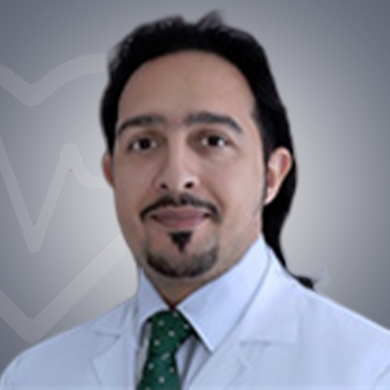
Dr. Raed Farhat
NMC Royal Hospital Sharjah, United Arab Emirates, Sharjah
Cosmetologist • 13 years experience
Arabic EnglishRaed Farhat, Bachelors in Medicine and Surgery and Masters in Surgery with specialisation in Plastic Surgery from the Cairo University in Egypt,, is a Reconstructive Surgeon based in Sharjah, United Arab Emirates. The doctor has 13 years of professional experience. Raed Farhat areas of expertise include Excess Fat and Skin on Buttock, Blunt Nose, Deviated Nose, Facial Wrinkles, Breast Cancer.
Work Experiences
- Dr. Raed is the educational director of American board of aesthetic medicine (ABAM) in Middle East and president of American Aesthetic Association in Gulf Region, Chief and coordinator of wound management in Emirates Plastic Surgery Society, Chief of Regenerative Medicine in MEIDAM conference and is an International trainer of Stem Cell, Facelift by S.I.H tech, collagen and innovative laser in wound healing.

Dr. Nadeem Akhtar
NMC Royal Hospital Sharjah, United Arab Emirates, Sharjah
Plastic & Cosmetic surgeon • 29 years experience
Arabic EnglishNadeem Akhtar, MBBS - University College London Medical School, is a Cosmetic Surgeon based in Sharjah, United Arab Emirates. The doctor has 29 years of professional experience. Nadeem Akhtar areas of expertise include Small Breast, Gender Dysphoria, Wrinkles, Uneven Chin, Deviated Nose.
Work Experiences
- Consultant - NHS
- Traning and Registrar - Sheffield Teaching Hospital NHS
- Traning and Registrar - The University of Nottingham Teaching Hospitals NHS
- Traning and Registrar - University Hospitals of Leicester NHS Trust.

Dr. Bahaa Al Nashi
NMC Royal Hospital Sharjah, United Arab Emirates, Sharjah
Plastic & Cosmetic surgeon • 18 years experience
English ArabicBahaa Al Nashi, MBBS from the University of Damascus in 1990 , is a Cosmetic Surgeon based in Sharjah, United Arab Emirates. The doctor has 18 years of professional experience. Bahaa Al Nashi areas of expertise include Cleft Lip and Cleft Palate, Uneven Breast, Varicose and Spider Veins, Acne Scars, Baldness.
Work Experiences
- Head of the Department of Dermatology in Darah National Hospital, Syria( 6 years)
- Head of Department of Dermatology at private Hospital in Dubai.

Dr. Ali Binhammad
NMC Royal Hospital Sharjah, United Arab Emirates, Sharjah
Plastic & Cosmetic surgeon • 17 years experience
English ArabicAli Binhammad, Bachelors in Medicine an Surgery from SN Medical College in India, is a Cosmetic Surgeon based in Sharjah, United Arab Emirates. The doctor has 17 years of professional experience. Ali Binhammad areas of expertise include Traumatic Injuries of Thumb Or Finger, Loose Abdominal Skin and Muscles, Lines on the Face, Ptosis, Droopy Eyelids.
Work Experiences
- Royal London Hospital
- St Thomasâs Hospital, London
- Zayed Military Hospital, UAE

Dr. Jobeetha Yoosuf
NMC Royal Hospital Sharjah, United Arab Emirates, Sharjah
Plastic & Cosmetic surgeon • 17 years experience
English ArabicJobeetha Yoosuf, Bachelor's in Medicine and Surgery, University of Kerala, India, is a Cosmetic Surgeon based in Sharjah, United Arab Emirates. The doctor has 17 years of professional experience. Jobeetha Yoosuf areas of expertise include Acne Scars, Uneven Breasts, Lines on the Face, Skin Disfigurement, Breast Cancer.
Work Experiences
- House Surgeon at the University of Kerala (1998 â 2000)
- GP Dermatologist at Kristu Jayanti Mission Hospital (2000 â 2004),India
- In-house Dermatologist at VLCC (2006 â 2008)