Your Notifications
All done, no notifications

2 Specialists

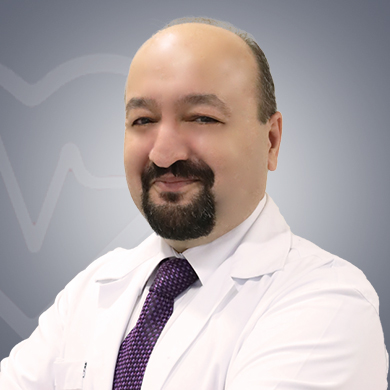
Dr. Mahmut Kayardi

Cardiologist

, Fethiye, Turkey

30 Years of experience

Speaks: Turkish , English


Dr. Mahmut Kayardi is a specialized Interventional Cardiologist in Turkey. And one of the most sought after medical specialists in Fethiye, Turkey. The doctor has over 15 Years of experience and is associated with Lokman Hekim Esnaf Hospital.

Association and Memberships Dr. Mahmut Kayardi is part of:

  • Member of Turkish Society of Cardiology and Internal Medicine.

Qualifications :

  • Graduate, Ege University Faculty of Medicine in 1994

Hospital Address :

Tuzla, Private Lokman Hekim Esnaf Hospital, 54. Sokak, Fethiye/Mula, Turkey
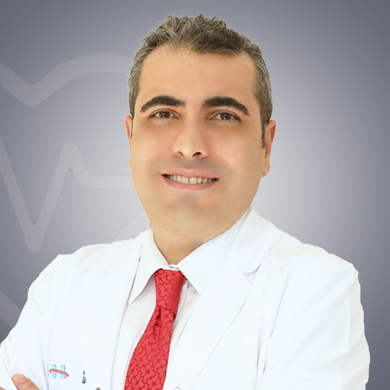
Dr. Suleyman Aysel

Cardiologist

, Fethiye, Turkey

12 Years of experience

Speaks: Turkish , English


Dr Suleyman Aysel is one of the most sought after Cardiologist in Fethiye, Turkey. The clinician holds over 12 years of experience and is associated with Lokman Hekim Esnaf Hospital.

Association and Memberships Dr. Suleyman Aysel is part of:

  • Turkish Cardiology Association

Certifications :

  • Specialist Cardiology Training, Manisa Celal Bayar University Hospital.

Qualifications :

  • Graduate, Izmir Dokuz Eyll University Medical Faculty

Hospital Address :

Tuzla, Private Lokman Hekim Esnaf Hospital, 54. Sokak, Fethiye/Mula, Turkey

Medical Expertise of Dr. Suleyman Aysel

  • Medical expertise of Dr. Suleyman Aysel is in Coronary Angiography, Balloon, Stent, Pacemakers.
  • He specialises in the treatment of Atherosclerosis, Tachycardia, Angina, Coronary Artery Disease, Cardiac Arrhythmias, Bradycardia, and Blocked Arteries
  • Thesis with the study 'The Effect of Chronic Smoking on Myocardial Performance Index and Diastolic Functions'.
  • Dr. Suleyman Aysel is a Member of the Turkish Society of Cardiology.
  • Active participant in study groups of Hypertension, High Cholesterol, Heart Valve Disease, Rhythm Disorder in the Turkish Society of Cardiology.
  • Responsible for the establishment of 6-bed Coronary Intensive Care, Echocardiography and Effort Units in the Bitlis Tatvan State Hospital.
  • Participant in studies: 'Acute phase reactants in patients with coronary slow flow phenomenon' and 'Blood pressure and ejection fraction changes due to ultrafiltration in hemodialysis' published overseas.
Frequently Asked Questions
Which are some of the best hospitals Interventional Cardiologists in Fethiye, Turkey are associated with?

Following are some of the best clinics in Fethiye, Turkey with whom Interventional Cardiologists are associated with:

Which are some of the procedures performed by Interventional Cardiologists in Fethiye, Turkey?

Most common procedures performed by interventional cardiologists in Fethiye are:

Which are some of the conditions treated by Interventional Cardiologist in Fethiye, Turkey?

Listed below are some of the most common conditions performed by interventional cardiologists in Fethiye, Turkey are:

  • Tachycardia
  • Coronary Artery Disease
  • Atherosclerosis
  • Bradycardia
  • Blocked Arteries
  • Angina
  • Patent Foramen Ovale
  • Cardiac Arrhythmias
  • Atrial Septal Defect
What are the qualifications of an Interventional Cardiologist?

Board certification should be one of the first priorities when choosing an interventional cardiologist. A doctor might practice interventional cardiology without being board certified in the specialty. But, training, education, experience, and certification establish the doctor’s level of competence. A board certification reflects that a doctor has completed a training program and cleared an exam demonstrating their expertise in interventional cardiology.

The general steps for interventional cardiologists include:

  • Graduation from medical school to obtain MBBS degree followed by post graduation in (MD) or osteopathic medicine (DO)
  • Certification exam and residency training in internal medicine
  • Additional certification exams and training in both interventional cardiology and cardiology.
What conditions does an Interventional Cardiologist treat?

Interventional cardiologists diagnose and treat conditions of the heart and blood vessels, including:

  • Angina (chest pain)
  • Arrhythmia (abnormal heart rhythm)
  • Cardiomyopathy (weakening or enlargement of the heart muscle)
  • Congenital heart defects including patent foramen ovale and atrial septal defect
  • Heart attack (myocardial infarction)
  • Heart failure
  • Abnormalities of the valves, heart valve disorders
  • Myocarditis or heart inflammation
What diagnostic tests are required by an Interventional Cardiologist?

An interventional cardiologist can order a wide variety of diagnostic and screening tests, such as:

  • General health tests like complete blood count (CBC), chest X-ray, urinalysis, blood glucose test, liver and kidney function tests, thyroid hormone tests, cholesterol panel, and blood pressure screening
  • EKG (ECG or electrocardiogram) to record your heart rhythm
  • Echocardiogram (or ultrasound) to assess the heart structure and function
  • Cardiac stress tests to check if the heart has a decreased blood supply because of coronary heart disease
  • Cardiac enzyme tests to find out if the heart is damaged
When should you visit an Interventional Cardiologist?

Interventional cardiologists take care of patients experiencing the following symptoms:

  • Chest pain, which can move into the arms, shoulders, neck, or jaw
  • Dizziness
  • Palpitations or feeling like the heart is racing
  • Shortness of breath
  • Passing out
  • High blood pressure
What can you expect from your first visit with an Interventional Cardiologist?

Your first visit to an interventional cardiologist will involve a check of your vitals, which is a non-invasive method to measure your heart’s electrical activity. Also, the clinical staff will note all details about your family and health history that a cardiologist or heart specialist should know.

The cardiologist will examine your heart health and might suggest some tests that can include urine or blood tests, an electrocardiogram (EKG), an PET, MRI, or CT scan, or a stress test. An interventional cardiologist can diagnose any existing condition and determine future risks. They will also help create a routine that benefits your overall heart health and reduces your risk of developing heart conditions.

Which are the most common procedures performed by an Interventional Cardiologist?
  • Treatments for arteries (angioplasty and stenting)
  • Hybrid coronary revascularization
  • Balloon aortic valvuloplasty
  • Balloon mitral valvuloplasty
  • Percutaneous coronary intervention
  • Transcatheter aortic valve replacement
  • Transcatheter mitral valve repair
  • Complex coronary intervention
  • Heart defect repair
  • Atrial septal defect closure
  • Patent foramen ovale closure
  • Left atrial appendage closure
  • Reduction of stroke risk
  • Heart valve repair or replacement
  • EPS & RFA
  • Heart Port Surgery

FAQs related to Turkey

Which are the most common Medical Specialities available in Fethiye, Turkey
Which types of Medical Specialists are most commonly found in Fethiye, Turkey