Our Platform Features
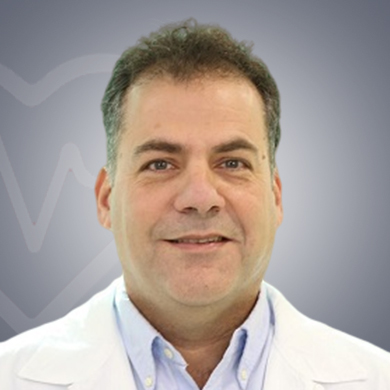
Dr. Amit Seghev
Sheba Medical Center, Israel, Ramat Gan
Cardiologist • 25 years experience
English HebrewAmit Seghev, MD, Technion School of Medicine, Haifa, Israel , is a Interventional Cardiologist based in Tel Hashomer, Israel. The doctor has 25 years of professional experience. Amit Seghev areas of expertise include Tachycardia, Bradycardia, Blocked Arteries, Atherosclerosis, Cardiac Arrhythmias.
Work Experiences
- Associate Professor, Sackler School of Medicine, Tel Aviv University
- Director, Cardiac Catheterization Services, Sheba Medical Center
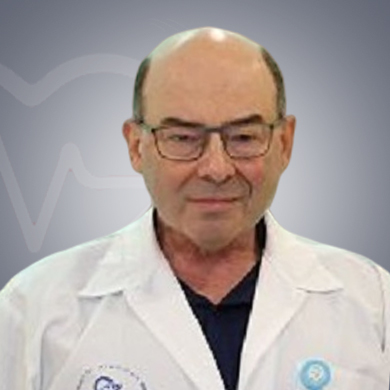
Dr. Michael Arad
Sheba Medical Center, Israel, Ramat Gan
Cardiologist • 25 years experience
English HebrewMichael Arad, MD, Hadassah School of Medicine. the Hebrew University, Jerusalem, Israel , is a Interventional Cardiologist based in Tel Hashomer, Israel. The doctor has 25 years of professional experience. Michael Arad areas of expertise include Blocked Arteries, Angina, Coronary Artery Disease, Bradycardia, Atherosclerosis.
Work Experiences
- Senior Physician, Institute of Heart Failure and Center for Cardiomyopathy and Hereditary Heart Disease
- Associate Professor, Department of Cardiology at Tel Aviv University

Dr. Michael Eldar
Sheba Medical Center, Israel, Ramat Gan
Cardiologist • 30 years experience
English HebrewMichael Eldar, MD graduate, Technion, Israel , is a Interventional Cardiologist based in Tel Hashomer, Israel. The doctor has 30 years of professional experience. Michael Eldar areas of expertise include Angina, Tachycardia, Cardiac Arrhythmias, Atherosclerosis, End Stage Heart Failure.
Work Experiences
- Director of the Department of Electrophysiology and Cardiac Arrhythmias.
- Director of the Neufeld Heart Research Institute at Sheba.
- 2001-2016 Prof. Eldar served as the Director of the Leviev Heart Center.
- At 2006 he was appointed Chair of Cardiology, Sackler School of Medicine, Tel Aviv University
Do you know?
Using MediGence’s Telemedicine Platform, you can book a personalized video consultation with renowned doctors around the world