Your Notifications
All done, no notifications

5 Specialists

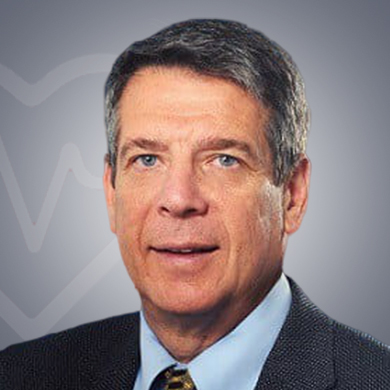
Dr. Jacob Ramon

Urologist

, Ramat Gan, Israel

15 Years of experience

Speaks: Hebrew , English


Dr. Jacob Ramon is a specialized Urosurgeon in Israel. And one of the most sought after medical specialists in Tel Hashomer, Israel. The doctor has over 15 Years of experience and is associated with Sheba Medical Center.

Association and Memberships Dr. Jacob Ramon is part of:

  • Member of Israeli Urological Association

Qualifications :

  • MD graduate from the Hadassah Medical School, Hebrew University of Jerusalem
  • Specialization in Urology, Sheba Medical Center
  • Specialization in Reconstructive Urological Surgery and Uro-Oncology at Duke University, USA,
  • St. Jean Toulouse University, and Bichat Hospital, Paris.

Hospital Address :

Sheba Medical Center, Derech Sheba, Ramat Gan, Israel

What is the medical expertise of Dr Jacob Ramon?

  • Dr Jacob Roman has 15 years of experience in treating bladder tumours, urinary tract diseases, polycystic kidney diseases, erectile dysfunction, kidney angiomyolipoma, and kidney cancer. He can also perform laparoscopic and reconstructive surgeries.
  • He is a member of the Israeli Medical Association. In addition to being an esteemed member of several prominent organizations such as the European Organization for Urology, he was also appointed as the President of the Israel Association of Urology in 2002 and held this position for around 4 years.
  • He has published his work in numerous journals. Some of his works include:
    1. Rosenzweig B, Bex A, Dotan ZA, Frydenberg M, Klotz L, Lotan Y, Schulman CC, Tsaur I, Ramon J. Trends in urologic oncology clinical practice and medical education under COVID-19 pandemic: An international survey of senior clinical and academic urologists. Urol Oncol. 2020 Dec;38(12):929.e1-929.e10.
    2. Lazarovich A, Raviv G, Laitman Y, Portnoy O, Raz O, Dotan ZA, Ramon J, Rosenzweig B. Histology results of systematic prostate biopsies by in-bore magnetic resonance imaging vs. transrectal ultrasound. Can Urol Assoc J. 2021 May;15(5): E244-E247.

How can you reach Dr Jacob Ramon?

If you wish to avail consultation from the doctor then you can get in touch with us by clicking on the " book hospital visit" on the doctor's profile page.
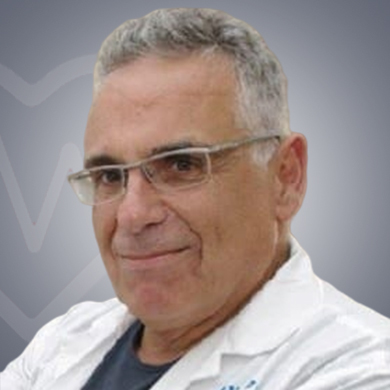
Dr. Eitan Friedman

Surgical Oncologist

, Ramat Gan, Israel

32 Years of experience

Speaks: Hebrew , English


Dr. Eitan Friedman is a specialized Surgical Oncologist in Israel. And one of the most sought after medical specialists in Tel Hashomer, Israel. The doctor has over 32 Years of experience and is associated with Sheba Medical Center.

Association and Memberships Dr. Eitan Friedman is part of:

  • Member of the International Gynecologic Cancer Society

Qualifications :

  • MD graduate from the Sackler School of Medicine, TAU; PhD from the Karolinska Institutet, Sweden

Hospital Address :

Sheba Medical Center, Derech Sheba, Ramat Gan, Israel
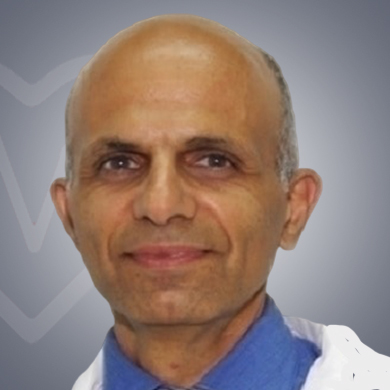
Dr. Jacob Korach

Surgical Oncologist

, Ramat Gan, Israel

of experience

Speaks: Hebrew , English


Dr. Jacob Korach is a specialized Surgical Oncologist in Israel. And one of the most sought after medical specialists in Tel Hashomer, Israel. The doctor has over of experience and is associated with Sheba Medical Center.

Association and Memberships Dr. Jacob Korach is part of:

  • Member of the American Society of Clinical Oncology
  • Member of the International Gynecologic Cancer Society

Qualifications :

  • Dr. Korach has graduated from the Sackler School of Medicine, TAU, then completed his specialization in OB/GYN at the Sheba Medical Center and a Fellowship in Gynecology Oncology at the Beth Israel Hospital in NY.

Hospital Address :

Sheba Medical Center, Derech Sheba, Ramat Gan, Israel

Do you know?

Using MediGence’s Telemedicine Platform, you can book a personalized video consultation with renowned doctors around the world

Explore Telemedicine Platform

Featured Telemedicine Doctors

Dr. Damien Urban

Surgical Oncologist

, Ramat Gan, Israel

25 Years of experience

Speaks: Hebrew , English


Dr. Damien Urban is a specialized Surgical Oncologist in Israel. And one of the most sought after medical specialists in Tel Hashomer, Israel. The doctor has over 18 Years of experience and is associated with Sheba Medical Center.

Association and Memberships Dr. Damien Urban is part of:

  • Israel Association of Physicians

Qualifications :

  • B.Med.Sc;
  • MBBS Graduate of the Monash University, Australia

Hospital Address :

Sheba Medical Center, Derech Sheba, Ramat Gan, Israel
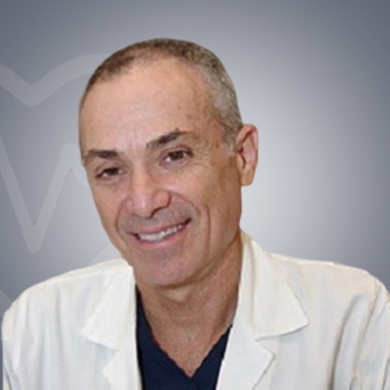
Dr. Alon Ben Nun

Surgical Oncologist

, Ramat Gan, Israel

25 Years of experience

Speaks: Hebrew , English


Dr. Alon Ben Nun is a specialized Surgical Oncologist in Israel. And one of the most sought after medical specialists in Tel Hashomer, Israel. The doctor has over 25 Years of experience and is associated with Sheba Medical Center.

Association and Memberships Dr. Alon Ben Nun is part of:

  • Israel Association of Physicians
  • Israeli Surgical Association
  • European Association for Endoscopic Surgery
  • American Association for Thoracic Surgery

Qualifications :

  • MD and PhD in Medicine from the Medical School, Ben- Gurion University of the Negev

Hospital Address :

Sheba Medical Center, Derech Sheba, Ramat Gan, Israel

Frequently Asked Questions
Which are some of the best hospitals Surgical Oncologists in Tel Hashomer, Israel are associated with?

Given below are some of the most popular hospitals in Tel Hashomer, Israel where Surgical Oncologists work:

Which are some of the procedures performed by Surgical Oncologists in Tel Hashomer, Israel?

Check out the procedures performed by surgical oncologists in Tel Hashomer:

    Which are some of the conditions treated by Surgical Oncologist in Tel Hashomer, Israel?

    Listed below are some of the most common conditions performed by surgical oncologists in Tel Hashomer, Israel are:

    • Brain Cancers- Astrocytoma
    • Pancreatic Cancer
    • Acoustic Neuroma
    • Cervical Cancer
    • Kidney Cancer
    • Brain Tumor - Glioblastoma
    • Ovarian Cancer
    • Brain Tumor
    • Uterine cancer
    • Stomach Cancer
    • Skin Cancer
    • Oligodendrogliomas
    • Larynx Cancer
    • Colon Cancer and Bowel Diseases
    • Brain Abscess
    • Pancreatic or Duodenal Trauma
    • Pituitary Adenoma
    • Lung Cancer
    • Chronic Pancreatitis
    • Breast Cancer
    • Ependymomas
    • Meningioma
    • Crohn's Disease Or Severe Diverticulitis
    • Primitive Neuroectodermal Tumors
    • Cerebral Edema
    • Pancreatic Head Cancer
    • Glioma
    • Brain Infection
    • Arteriovenous Malformation
    • Mixed Gliomas
    • Prostate Cancer
    • Astrocytoma
    • Oral or Mouth Cancer
    • Meningiomas
    • Aneurysm
    • Colorectal or Colon Cancer
    • Traumatic Head Injury
    • Brain Cancers
    Who is a Surgical Oncologist?

    Surgical oncologists are also general surgeons with training in procedures for diagnosing, staging (finding the stage of cancer), and removing any cancerous growths. The most common procedures done by a surgical oncologist are surgery for cancerous growth removal and biopsies. These surgeons can also perform surgery to find the stage of cancer and determine the areas cancer has spread. Under some circumstances, surgical oncologists might also do preventive surgeries. In some specific cases, surgery might be the only treatment you may need. In other cases, you may have surgery as well as get additional treatments like chemotherapy or radiation. In such cases, a surgical oncologist might be an important part of the cancer care team.

    To diagnose cancer, a surgical oncologist can perform biopsies. Biopsy procedures might include:

    • Needle biopsies like fine-needle aspiration and core biopsies
    • Abdominal surgery/laparotomy
    • Laparoscopic or endoscopic (surgery using a scope)
    • Excisional (removing a suspicious area, like a mole/tumor)
    • Skin biopsy
    • Incisional (removing a portion of the suspicious area)

    After a biopsy, a surgical oncologist will send all tissue samples to a pathologist, who looks for cancer cells. In case cancer is present, you can see a surgical oncologist again to have a tumor removed. A surgical oncologist might also choose to do a staging surgery to determine the size of a tumor and find if cancer has spread.

    What are the qualifications of a Surgical Oncologist?

    Surgical oncologists are medical doctors who are trained in surgery with a focus on cancer treatments and diagnosis. Similar to other types of surgeons and doctors, surgical oncologists complete medical school as well as pass an exam to practice medicine.

    Becoming a surgical oncologist involves the below educational steps:

    • Obtain five-and-half-year MBBS degree
    • Complete MS course.
    • Finish a residency in general surgery
    • Optionally compete General Surgery Certifying Examination
    • Pursue a fellowship in surgical oncology
    • Some surgical oncologists prefer to specialize in their area with additional research into specific types of cancer, such as skin, gynecological, or gastrointestinal. A surgical oncologist’s specialties could also be in particular age groups, like pediatrics.
    What conditions do Surgical oncologists treat?

    Surgical oncologists treat a wide variety of conditions as given below:

    • Ovarian Cancer
    • Brain Tumor
    • Uterine cancer
    • Stomach Cancer
    • Skin Cancer
    • Brain Cancers
    • Brain Tumor
    • Larynx Cancer
    • Pancreatic Cancer
    • Acoustic Neuroma
    • Cervical Cancer
    • Kidney Cancer
    • Brain Abscess
    • Pancreatic/Duodenal Trauma
    • Pituitary Adenoma
    • Meningioma
    • Crohn's Disease
    • Lung Cancer
    • Chronic Pancreatitis
    • Breast Cancer
    • Ependymomas
    • Primitive Neuroectodermal Tumors
    • Pancreatic Head Cancer
    • Arteriovenous Malformation
    • Mixed Gliomas
    • Prostate Cancer
    • Mouth Cancer
    • Meningioma
    • Aneurysm
    • Colon Cancer
    • Traumatic Head Injury
    • Brain Cancers
    What diagnostic tests are required by Surgical Oncologist?

    Different diagnostic tests are recommended by a surgical oncologist to detect cancer. Depending on the symptoms you have, you may have other tests, too. Some common tests are:

    • CT scan
    • MRI
    • Nuclear scan
    • Bone scan
    • PET scan
    • Ultrasound
    • X-ray
    • Biopsy
    When should you visit a Surgical Oncologist?

    You might see a surgical oncologist if you have a tumor. If a primary care doctor suspects you have cancer, they may refer you to a surgical oncologist for biopsy. If you have been already diagnosed with cancer, the doctor might refer you to a surgical oncologist to get advice on your cancer treatment.

    Consult a surgical oncologist if you experience any of the below-given signs and symptoms:

    • Unexplained weight change
    • Persistent cough
    • Skin changes
    • Neurological issues
    • Lumps and bumps
    • Breast changes
    • Chronic headache
    • Difficulty swallowing
    • Excessive bruising
    • Fatigue
    • Stomach pain or nausea
    • Postmenopausal bleeding
    What can you expect from your first visit with a Surgical Oncologist?

    When a patient visits for the first consultation, a surgical oncologist will perform a thorough examination. The oncologist will ask various questions and also review the patient’s health history. It will include an assessment of all the tests and scans the person may have had beforehand. Besides this, the oncologist can design a treatment plan that suits the patient.

    The surgical oncologist plays an important role in the patient’s welfare and ensures the patient feels comfortable. They will hear the patient’s concerns and answer all questions the patient may have about the treatment and procedures. Both will have a detailed conversation about the patient’s needs. They may also discuss any fears and anxiety the patient may have.

    Which are the most common procedures performed by a Surgical Oncologist?

    Surgical procedures used will differ based on the purpose of the surgical procedures and the area of the body and the size of the tissues affected. A surgical oncologist can perform open surgery or minimally invasive procedures as listed below:

    • Laparoscopy
    • Microscopically controlled surgery
    • Cryosurgery (freezing of cells and skin)
    • Robotic surgery
    • Appendectomy
    • Bowel resection
    • ERBEJET2
    • Flex Robotic System
    • HIPEC Treatment
    • Vascularized lymph node transfer surgery
    • Lymphaticovenular bypass surgery
    • PneumonectomyRobotic surgery (da Vinci Surgical System)
    • Thoracotomy
    • Thyroidectomy
    • Tracheoesophageal puncture
    • Video-assisted thoracoscopic surgery
    • Laser surgery
    • Hyperthermia (heating of tissue)

    FAQs related to Israel

    Which types of Medical Specialists are most commonly found in Tel Hashomer, Israel