Browse verified doctors or let our care team help you find the doctor best suited to your condition, treatment goals, and budget.

At The London Clinic, Femoroacetabular Impingement (FAI) Surgery is performed using advanced hip arthroscopy techniques and individualized surgical planning. Established in , the JCI accredited hospital in London, United Kingdom has 234 beds and provides comprehensive orthopedic and rehabilitation services.
Femoroacetabular Impingement (FAI) Surgery may be considered when abnormal bone morphology causes repeated contact within the hip joint and symptoms persist despite appropriate non-surgical treatment. During surgery, the surgeon removes or reshapes excess bone from the femoral head, femoral neck, or acetabular rim to improve joint clearance. Torn labral tissue may also be repaired or treated when required. Preoperative imaging helps identify the type and extent of impingement and guides the surgical correction.
Woodlands Hospital offers dedicated Femoroacetabular Impingement (FAI) Surgery supported by experienced hip surgeons, advanced arthroscopic equipment, and modern orthopedic facilities. Established in 2001, the accredited hospital is situated in Darlington, United Kingdom and has 38 beds supporting specialized hip preservation care.
Femoroacetabular Impingement (FAI) Surgery aims to reduce abnormal contact between the ball and socket of the hip joint and preserve the joint for as long as possible. Through minimally invasive arthroscopy, the surgeon can remove excess bone associated with cam or pincer morphology and address associated labral or cartilage injuries. The procedure is planned according to the patient's symptoms, physical findings, and imaging results. Postoperative physiotherapy focuses on controlled mobility, muscle activation, and progressive return to activities.
Werndale Hospital provides specialized Femoroacetabular Impingement (FAI) Surgery with a focus on relieving hip impingement, treating damaged joint structures, and preserving hip function. Established in 1991, the accredited hospital is located in Carmarthen, United Kingdom and operates 19 beds with modern orthopedic and hip preservation facilities.
Femoroacetabular Impingement (FAI) Surgery is performed to correct abnormal contact between the femoral head and the acetabulum that can cause hip pain and restricted movement. The procedure is commonly performed arthroscopically, allowing the surgeon to reshape excess bone and treat associated labral or cartilage damage. The specific correction depends on whether the patient has cam impingement, pincer impingement, or a combination of both. Rehabilitation helps gradually restore hip movement and strength.
Circle Reading Hospital provides specialized Femoroacetabular Impingement (FAI) Surgery with a focus on relieving hip impingement, treating damaged joint structures, and preserving hip function. Established in 2012, the accredited hospital is located in Reading, United Kingdom and operates beds with modern orthopedic and hip preservation facilities.
Femoroacetabular Impingement (FAI) Surgery is performed to correct abnormal contact between the femoral head and the acetabulum that can cause hip pain and restricted movement. The procedure is commonly performed arthroscopically, allowing the surgeon to reshape excess bone and treat associated labral or cartilage damage. The specific correction depends on whether the patient has cam impingement, pincer impingement, or a combination of both. Rehabilitation helps gradually restore hip movement and strength.
Shirley Oaks Hospital provides specialized Femoroacetabular Impingement (FAI) Surgery with an emphasis on precise bone reshaping, treatment of associated joint damage, and preservation of hip function. Established in 1986, the accredited hospital is based in London, United Kingdom and it has adequate bed capacity supported by modern orthopedic and sports medicine facilities.
Femoroacetabular Impingement (FAI) Surgery is a hip-preserving procedure used to correct abnormal bone growth that causes the femoral head and acetabulum to rub against each other during movement. Depending on the type of FAI, the surgeon may perform femoral osteoplasty, acetabular rim trimming, or both. Damaged labral or cartilage tissue can also be addressed during the same procedure. X-rays, MRI, or CT scans may be used to assess the hip anatomy before surgery, while postoperative rehabilitation supports a gradual return to normal activities.
Choosing St Edmunds Hospital for Femoroacetabular Impingement (FAI) Surgery gives patients access to specialist-led hip preservation surgery, modern arthroscopic technology, and coordinated rehabilitation. Established in 1988, the accredited hospital is located in Bury Saint Edmunds, United Kingdom and operates beds with advanced orthopedic infrastructure.
Femoroacetabular Impingement (FAI) Surgery may be recommended for patients with persistent hip or groin pain, limited range of motion, or joint damage related to abnormal femoral or acetabular bone shape. The surgeon reshapes the abnormal bone to restore smoother movement between the femoral head and acetabulum. If the labrum is torn, it may be repaired or reconstructed depending on its condition. Recovery usually involves temporary activity restrictions followed by structured physiotherapy to rebuild hip strength and mobility.
At Parkside Private Hospital, Femoroacetabular Impingement (FAI) Surgery is performed using advanced hip arthroscopy techniques and individualized surgical planning. Established in 1983, the accredited hospital in London, United Kingdom has 82 beds and provides comprehensive orthopedic and rehabilitation services.
Femoroacetabular Impingement (FAI) Surgery may be considered when abnormal bone morphology causes repeated contact within the hip joint and symptoms persist despite appropriate non-surgical treatment. During surgery, the surgeon removes or reshapes excess bone from the femoral head, femoral neck, or acetabular rim to improve joint clearance. Torn labral tissue may also be repaired or treated when required. Preoperative imaging helps identify the type and extent of impingement and guides the surgical correction.

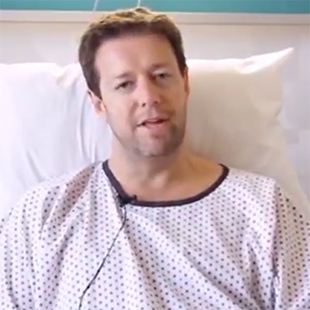
Kevin Stewart from Scotland could barely walk straight due to a Slip Disc. He faced many discomforts for the past 2 years and eventually had…

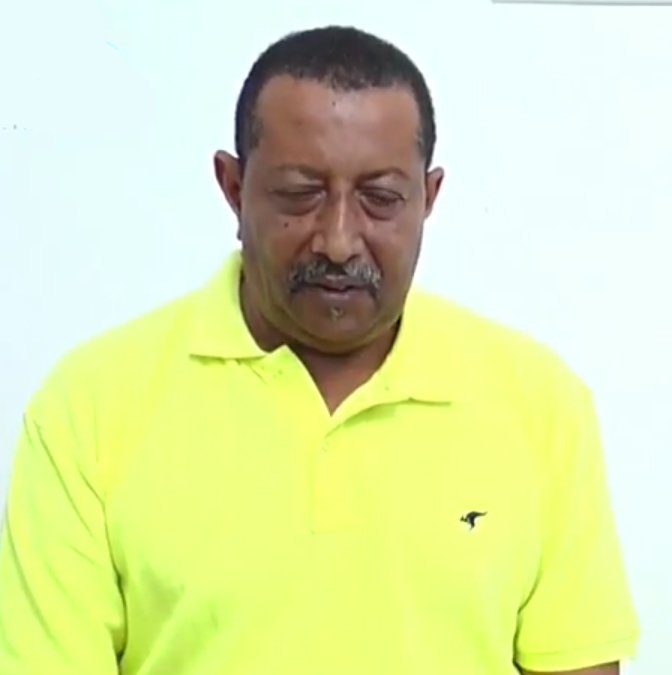
Mr. Muhammed Dumia was suffering from painful left Knee and was in considerable pain for the last 2 months. He eventually underwent Knee Replacement Surgery…