Browse verified doctors or let our care team help you find the doctor best suited to your condition, treatment goals, and budget.
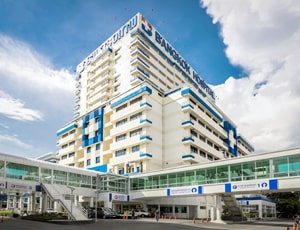
Bangkok Hospital provides specialised Boutonniere Deformity Treatment with a focus on patient safety, surgical precision, and functional recovery. Established in 1972, the JCI hospital is located in Bangkok, Thailand, and operates 580 beds, equipped with modern healthcare infrastructure.
Bone Reconstruction is a treatment option for patients experiencing substantial bone loss or structural damage due to trauma, complex fractures, infection, tumors, or congenital conditions. Depending on the patient's needs, surgeons may use bone grafts, specialised implants, fixation systems, or bone transport techniques to reconstruct the affected area. Comprehensive preoperative evaluation and imaging help determine the appropriate approach, while post-treatment rehabilitation supports healing, strength, and mobility.
At Vejthani Hospital, Boutonniere Deformity Treatment is performed using advanced reconstructive techniques and personalised treatment plans based on each patient's condition. Established in 1994, this JCI hospital in Bangkok, Thailand. It is a 263 bedded facility and provides comprehensive healthcare services.
Bone Reconstruction is considered for patients with substantial bone defects resulting from trauma, complex fractures, infection, tumor removal, or other conditions affecting bone structure. Depending on the size and location of the defect, treatment may include bone grafting, internal fixation, bone transport, or specialised implants. Medical evaluation and imaging are generally performed before surgery, while physiotherapy and rehabilitation can support functional recovery.
At Bangpakok 9 International Hospital, Boutonniere Deformity Treatment is performed using advanced reconstructive techniques and personalised treatment plans based on each patient's condition. Established in 2003, this JCI, GHA hospital in Bangkok, Thailand. It is a 300 bedded facility and provides comprehensive healthcare services.
Bone Reconstruction is considered for patients with substantial bone defects resulting from trauma, complex fractures, infection, tumor removal, or other conditions affecting bone structure. Depending on the size and location of the defect, treatment may include bone grafting, internal fixation, bone transport, or specialised implants. Medical evaluation and imaging are generally performed before surgery, while physiotherapy and rehabilitation can support functional recovery.
Phyathai 2 International Hospital is a trusted healthcare provider for Boutonniere Deformity Treatment, offering modern treatment options supported by experienced specialists and advanced medical infrastructure. Established in 1987, the JCI hospital is situated in Bangkok, Thailand and has 550 beds.
Bone Reconstruction can help restore the structure and function of bones affected by major trauma, non-healing fractures, infection, tumor removal, or extensive bone loss. Depending on the patient's condition, surgeons may use bone grafts, fixation devices, bone transport techniques, or patient-specific implants. A detailed assessment and imaging are typically performed before treatment to determine the extent of bone damage and guide surgical planning.
Krabi Nakharin International Hospital offers advanced Bone Reconstruction using modern surgical techniques and internationally accepted treatment protocols. Established in 1997, the JCI hospital is located in Krabi, Thailand and has 150 beds, providing comprehensive care for local and international patients.
Bone Reconstruction may be recommended for patients with significant bone loss or damage caused by severe fractures, trauma, infections, tumors, or congenital abnormalities. Depending on the condition, treatment may involve bone grafting, bone transport, fixation, or specialised implants. Before treatment, doctors evaluate the affected area through physical examination and imaging. Physiotherapy and rehabilitation may be recommended after surgery to restore strength, movement, and function.
At Yanhee International Hospital, Boutonniere Deformity Treatment is performed using advanced reconstructive techniques and personalised treatment plans based on each patient's condition. Established in 1984, this ISO, JCI hospital in Bangkok, Thailand. It is a 400 bedded facility and provides comprehensive healthcare services.
Bone Reconstruction is considered for patients with substantial bone defects resulting from trauma, complex fractures, infection, tumor removal, or other conditions affecting bone structure. Depending on the size and location of the defect, treatment may include bone grafting, internal fixation, bone transport, or specialised implants. Medical evaluation and imaging are generally performed before surgery, while physiotherapy and rehabilitation can support functional recovery.
Choosing Sikarin Hospital for Boutonniere Deformity Treatment gives patients access to experienced specialists, advanced surgical technology, and comprehensive medical care. Established in 1979, the JCI hospital in Bangkok, Thailand has 354 beds and provides specialised healthcare services.
Patients with severe bone defects, complex fractures, bone infections, or structural abnormalities may be advised to undergo Bone Reconstruction when conventional treatment is insufficient to restore the affected area. Depending on the extent of bone loss, reconstruction may involve bone grafting, fixation, bone lengthening, or other surgical techniques. Imaging and clinical evaluation help doctors develop an individualised treatment plan, followed by rehabilitation to support recovery and mobility.
Choosing Kasemrad Ramkhamhaeng Hospital for Boutonniere Deformity Treatment gives patients access to experienced specialists, advanced surgical technology, and comprehensive medical care. Established in 1992, the JCI hospital in Bangkok, Thailand has 120 beds and provides specialised healthcare services.
Patients with severe bone defects, complex fractures, bone infections, or structural abnormalities may be advised to undergo Bone Reconstruction when conventional treatment is insufficient to restore the affected area. Depending on the extent of bone loss, reconstruction may involve bone grafting, fixation, bone lengthening, or other surgical techniques. Imaging and clinical evaluation help doctors develop an individualised treatment plan, followed by rehabilitation to support recovery and mobility.

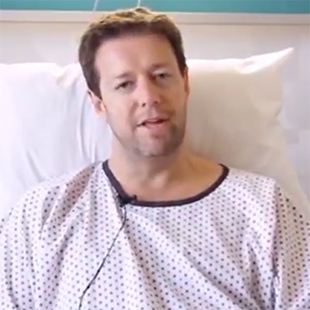
Kevin Stewart from Scotland could barely walk straight due to a Slip Disc. He faced many discomforts for the past 2 years and eventually had…

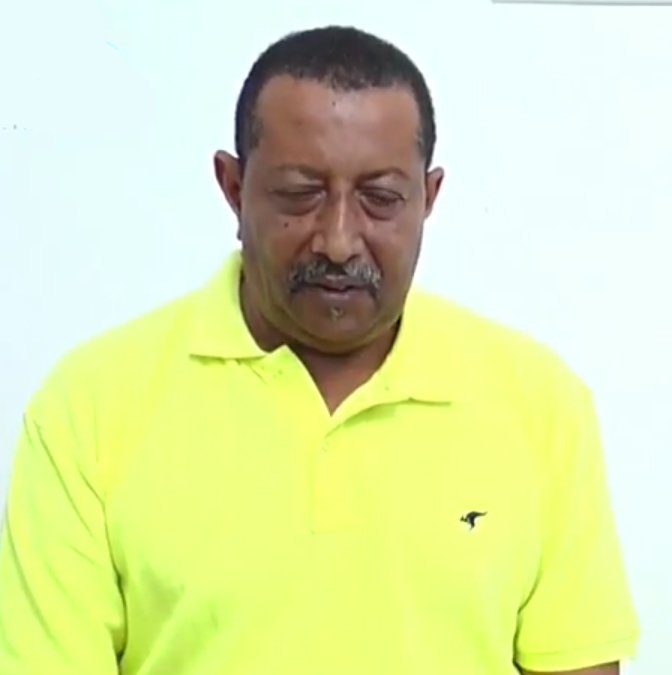
Mr. Muhammed Dumia was suffering from painful left Knee and was in considerable pain for the last 2 months. He eventually underwent Knee Replacement Surgery…