2 Hospitals

- Best Private Hospital in Saudi Arabia at the Middle East Healthcare Awards in 2017
- Best Hospital in Riyadh at the Global Brands Magazine Awards in 2019
- Excellence in Patient Experience at the Healthcare Asia Awards in 2020
- Best Obstetrics and Gynaecology Hospital at the International Hospital of the Year Awards in 2019
- Best Hospital for Medical Tourism at the Arab Health Awards in 2020.
- Accreditation

Please Enquire
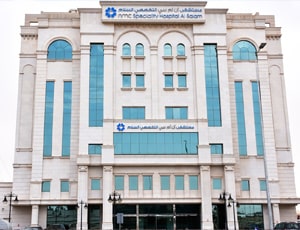
- Best Hospital for Obstetrics and Gynecology in 2020 - Awarded by the Arab Health Awards for the hospital's exceptional care and support for women's health.
- Best Hospital for Patient Experience in 2019 - Awarded by the International Hospital Federation for the hospital's focus on providing exceptional patient experience and personalized care.
- Excellence in Patient Service Award in 2018 - Awarded by Healthcare Asia for the hospital's exceptional patient service, commitment to quality care, and innovative medical services.
- Best Hospital for Medical Tourism in 2017 - Awarded by the Middle East & North Africa Healthcare Awards for the hospital's focus on providing international patients with world-class medical treatments and personalized care.
- Outstanding Hospital of the Year in 2016 - Awarded by the Global Health & Pharma for the hospital's exceptional standards in patient care and medical services.
- Accreditation

Ask your healthcare adviser for the best multiple options and choose the one that meets your expectations
Request for an Expert Opinion

Outcomes of VP Shunt
| Speciality | Neurology |
| Procedure | VP Shunt |
| Success Rate | 70-90% |
| Recovery Time | 2-3 months |
| Treatment Time | 1-2 hours |
| Chances of Recurrence | 10-20% |
What is a VP Shunt, and how does it work?
A VP Shunt, also known as a ventriculoperitoneal shunt, is a surgical procedure used to treat hydrocephalus. It is a condition where there is an abnormal accumulation of cerebrospinal fluid (CSF) in the brain, leading to increased pressure. The procedure is performed under general anesthesia and takes about 90 minutes. The surgeon drains the excess fluid in the brain by creating a hole in the skull and using a thin, flexible tube (catheter). Tiny pumps may be attached to the cavity to drain the fluid. The pumps can be regulated to extract extra fluid as it increases above a certain range, which is then dumped in the peritoneal cavity.
What medical conditions can be treated through VP Shunt?
The VP shunt procedure is exclusively used in cases of hydrocephalus. There are two types of Hydrocephalus; Congenital Hydrocephalus, which is present at birth due to abnormal brain development, and Acquired Hydrocephalus, which is caused by infections, tumors, or head injuries leading to CSF buildup.
What is the recovery process after a VP Shunt?
The recovery after a VP shunt procedure may take three to four days. Most patients are discharged from the hospital within seven days after the procedure. During the hospital stay, blood pressure, the proper working of the shunt, and the heart rate of the patient are consistently monitored. The doctor prescribes preventative antibiotics to avoid any infections. Patients may experience mild discomfort and headaches during the recovery period. Regular follow-up appointments are scheduled to monitor the shunt's function and ensure that the hydrocephalus is well-controlled. In some cases, physical therapy may be required to help with motor and developmental issues associated with the condition.
Frequently Asked Questions
The ranking of hospitals according to the procedure is determined by a variety of parameters. While categorizing hospitals for VP Shunt in Riyadh, some of the important factors are Popularity of the procedure, Infrastructure, Availability of the treatment, Skilled Medical Professionals, Technology employed, Cost, Facilities Offered, and Success Rate.
Your health is a top priority for MediGence, and we make sure you get it effortlessly. We keep your health a priority and make sure you receive a hassle-free medical journey with some unmatched benefits & services. Some of the top caregiving services available include Hotel stays, Dedicated Case Coordinator, Recovery packages, Online Consultation, round-the-clock assistance, and customized packages with discounts of up to a 30%. Along with all these, MediGence offers many other unmatched services for giving you the most stress-free healthcare experience.
Yes. MediGence gives you the privilege of scheduling an online consultation with a specialist in Riyadh. When having a conversation with one of our patient advisors, you can ask them to book your video consultation with the specialist. They will verify the doctor's consultation availability. Once confirmed, a payment link will be provided to you so you may schedule your online consultation.
Riyadh is becoming a prime destination for many people across the world for VP Shunt because of high success rates and modern infrastructure. Other factors that contribute to Riyadh being the best choice for VP Shunt include:
- Cost-effective treatment options
- Experienced and certified experts
- Accredited hospitals
- Modern healthcare technologies
- Data privacy and transparency
The severity of the treatment and the patient's general health both influence how long recovery takes after treatment. Other than that, rehabilitation post-treatment also plays a crucial role in reducing the healing time and aiding in proper recovery. Following surgery, patients must return for follow-up appointments to ensure proper healing and hasten the healing process.