7 Hospitals

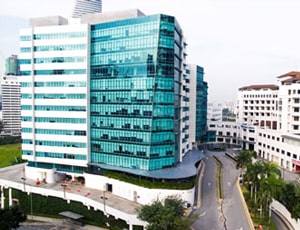
Prince Court Medical Centre
Kuala Lumpur, Malaysia
Number of Beds: 277
Year of Establishment: 2007
Medical Tourism Hospital of the Year 2024
Clinical Service Initiative of the Year 2024
Best in Community Involvement of the Year 2023
Brand of the Year in Healthcare of the Year 2023
Orthopaedic Service Provider of the Year 2023
Clinical Service Initiative of the Year 2023
Medical Tourism Hospital of the Year of the Year 2023
Top Children’s Hospital of the Year 2022
MRO Service Star of the Year 2022
- Accreditation

Please Enquire
- Excellence in Healthcare Services in 2019 - Awarded by APAC Insider for Parkway Pantai's exceptional healthcare services and high patient satisfaction.
- Best Healthcare Brand in 2018 - Awarded by Influential Brands for Parkway Pantai's contribution to the healthcare industry and patient care.
- Best Hospital Group in 2017 - Awarded by HR Asia for Parkway Pantai's commitment to employee welfare and development, which ultimately benefits the patients.
- Best Private Healthcare Provider in Asia-Pacific in 2016 - Awarded by Global Health and Travel for Parkway Pantai's exceptional healthcare services and facilities.
- Best Healthcare Provider in Southeast Asia in 2015 - Awarded by MIMS for Parkway Pantai's exceptional medical services, innovative technology, and patient care
- Accreditation


Sunway Medical Centre
Kuala Lumpur, Malaysia
Number of Beds: 724
Year of Establishment: 1999
Frost & Sullivan: 2024 Malaysian Hospital Market Leadership Award
College of American Pathologists (CAP) Accreditation
Healthcare Asia Awards 2024: Hospital of the Year (Malaysia)
Healthcare Asia Awards 2024: Health Promotion Initiative of the Year
Reader’s Digest Trusted Brand 2024
Newsweek World’s Best Hospitals 2024
World Stroke Organisation (WSO) Angels Awards 2023 - Gold Award (Q4)
World Stroke Organisation (WSO) Angels Awards 2023 - Gold Award (Q3)
- Accreditation


2023, Best Specialized Hospital Asia Pacific – Endocrinology
2023, Best Specialized Hospital Asia Pacific – Cardiology
2022, GlobalHealth Asia Pacific Child Development and Paediatric Service Provider of the Year in Asia Pacific
2022, Frost & Sullivan – Malaysia Emerging Hospital Company of the year award
2022, Malaysian Healthcare Tourism Corporation (MHTC) Elite member (Jan 2022 - Dec 2022)
2022, Malaysian Society for Quality in Health (MSQH) - (2020-2024)
2019, Healthcare Infection Control Management Resources (HICMR)
2018, The Brand Laureate Best Brand – Brand leadership Award (2018-2019)
- Accreditation

Subang Jaya Medical Centre
Kuala Lumpur, Malaysia
Number of Beds: 442
Year of Establishment: 1985
Healthcare Asia Awards 2024, Subang Jaya Medical Centre wins ESG Program of the Year
Frost & Sullivan, Subang Jaya Medical Centre wins Best Practices Award, Malaysian Best Hospital Company of the Year
GlobalHealth Asia-Pacific Awards, Subang Jaya Medical Centre wins Hospital of the Year in Asia-Pacific
GlobalHealth Asia-Pacific Awards, Subang Jaya Medical Centre wins Advanced Genetic Centre Provider of the Year in Asia-Pacific
GlobalHealth Asia-Pacific Awards, Subang Jaya Medical Centre wins Diabetes Service Provider of the Year in Asia-Pacific
GlobalHealth Asia-Pacific Awards, Subang Jaya Medical Centre wins Multi-Disciplinary Oncology Service Provider of the Year in Asia-Pacific
GlobalHealth Asia-Pacific Awards, Subang Jaya Medical Centre wins CSR Service of the Year in Asia-Pacific
GlobalHealth MedTech Awards, Subang Jaya Medical Centre wins the Excellence in Digital Health Innovation of the Year
- Accreditation
Please Enquire

Global Health Asia Pacific Awards 2023, Sports Rehabilitation and Physiotherapy Service Provider Of The Year In Asia Pacific
Newsweek Best Specialized Hospital APAC 2023, Paediatrics
Healthcare Asia Awards 2023, Vaccination Delivery of the Year - Malaysia
Malaysian Healthcare & Wellness Excellence Award 2023
- Accreditation

Bukit Tinggi Medical Centre
Kuala Lumpur, Malaysia
Number of Beds: 171
Year of Establishment: 2016
- Accreditation
Ask your healthcare adviser for the best multiple options and choose the one that meets your expectations
Request for an Expert Opinion

Outcomes of Laminectomy
| Speciality | Neurology |
| Procedure | Laminectomy |
| Success Rate | 85-95% |
| Recovery Time | 3-4 weeks |
| Treatment Time | 1-3 hours |
| Chances of Recurrence | 10-20% |
What is a Laminectomy and how does it work?
A laminectomy, also known as decompression surgery, is a surgical procedure performed to relieve pressure on the spinal cord or nerves by removing a portion of the vertebral bone called the lamina. The lamina is located at the back of the vertebra and forms the "roof" of the spinal canal. By removing a section of the lamina, the surgeon creates more space in the spinal canal, reducing compression and alleviating symptoms.
What medical conditions can be treated through Laminectomy?
Laminectomy is commonly used to treat spinal conditions that cause compression of the spinal cord or nerves. This includes spinal stenosis, herniated discs, bone spurs, and tumors in the spinal canal. These conditions can result in symptoms such as pain, numbness, weakness, and difficulty with motor function.
What is the recovery process after a Laminectomy?
The recovery process after a laminectomy varies depending on the extent of the procedure and individual factors. In general, patients can expect to stay in the hospital for a few days following the surgery. Pain medications and physical therapy may be prescribed. Full recovery may take several weeks to months, during which time the surgical site heals and the body adjusts to the changes in the spinal canal. Regular follow-up visits are scheduled to monitor the healing process.
Frequently Asked Questions
Hospitals for any type of procedure can be ranked on several deciding aspects. Some of the major factors for ranking the hospitals for Laminectomy in Kuala Lumpur are Popularity for the Procedure, Infrastructure, Accessibility of the treatment, Qualified Medical Personnel, Technology Used, Price, Amenities provided, and Success Rate.
MediGence provides you with a combination of cost-savings, convenience, and quality healthcare. By using our unmatched care services, you can have the best and hassle-free medical experience abroad. Our value-based services include airport transfers, accommodation, 24/7 assistance, Virtual consultation, case manager, and prenegotiated treatment packages with upto a 30% discount. Many more benefits are available with MediGence your treatment abroad.
That's Correct. Before you decide on to travel for a medical purpose, you can avail a video consultation with the specialist. You can place your request to our patient advisors for scheduling your online consultation with the specialist. They will verify the doctor's consultation availability. Once confirmed, a payment link will be provided to you so you may schedule your online consultation.
Kuala Lumpur is becoming a prime destination for many people across the world for Laminectomy because of high success rates and modern infrastructure. Other factors that make Kuala Lumpur the preferred option for Laminectomy include:
- Cost-effective treatment options
- Experienced and certified experts
- Accredited hospitals
- Modern healthcare technologies
- Data privacy and transparency
The recovery time for a procedure varies based on the condition of the patient and the complexity of the surgery. Other than that, rehabilitation post-treatment also plays a crucial role in reducing the healing time and aiding in proper recovery. Following surgery, patients must return for follow-up appointments to ensure proper healing and hasten the healing process.