Browse verified doctors or let our care team help you find the doctor best suited to your condition, treatment goals, and budget.

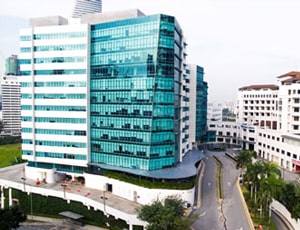
At Prince Court Medical Centre, Endovascular Embolization of AVM is performed using advanced catheter-based neurovascular techniques and personalised treatment plans based on the location, size, and characteristics of the AVM. Established in 2007, this MSQH hospital in Kuala Lumpur, Malaysia has 277 beds and provides comprehensive neurovascular care.
Endovascular Embolisation of AVM may be recommended for selected patients with cerebral or other vascular arteriovenous malformations to reduce abnormal blood flow and lower the risk associated with the lesion. A thin catheter is navigated through the vasculature to the abnormal vessels, where materials such as liquid embolic agents or coils may be used to occlude blood flow. Pre-procedure angiography helps specialists map the AVM and plan the safest treatment strategy. Follow-up imaging is used to assess the treatment response.
Parkway Pantai is a trusted healthcare provider for Endovascular Embolization of AVM, offering specialised endovascular treatment supported by experienced interventional neuroradiologists and neurosurgeons, as well as a modern neurovascular infrastructure. Established in 1974, the JCI, MSQH hospital is situated in Kuala Lumpur, Malaysia and has 499 beds.
AVM Embolisation is a catheter-based treatment designed to reduce blood flow through an abnormal artery-to-vein connection. It may be considered when an AVM requires treatment and can be safely accessed through the blood vessels. Depending on the lesion's anatomy, embolisation may partially or completely occlude the abnormal vascular channels and may be combined with surgical removal or stereotactic radiosurgery. Comprehensive vascular imaging, particularly cerebral angiography for brain AVMs, helps determine the treatment approach.
Sunway Medical Centre provides specialized Endovascular Embolization of AVM with a focus on minimally invasive neurovascular intervention, precise embolisation, patient safety, and comprehensive follow-up care. Established in 1999, the ACHS hospital is located in Kuala Lumpur, Malaysia, and operates 724 beds, equipped with modern neurointerventional infrastructure.
Endovascular Embolisation of Arteriovenous Malformation (AVM) is an advanced procedure that aims to reduce or eliminate abnormal blood flow within an AVM by selectively blocking its feeding vessels. Using real-time imaging guidance, an interventional specialist advances a catheter through the blood vessels and delivers an appropriate embolic material to the targeted vessels. The procedure may be performed in stages or combined with surgery or radiosurgery depending on the AVM. Detailed angiographic assessment and ongoing imaging follow-up are important for treatment planning and evaluation.
Choosing ParkCity Medical Centre for Endovascular Embolization of AVM gives patients access to experienced neurovascular specialists, advanced angiography systems, and multidisciplinary treatment planning. Established in 2012, the JCI hospital in Kuala Lumpur, Malaysia has 300 beds and provides specialized neurological and vascular services.
Endovascular Embolisation of an AVM may be considered when an arteriovenous malformation requires reduction of abnormal blood flow or preparation for definitive treatment. During the procedure, a catheter is carefully advanced to the vessels supplying the AVM, and an embolic agent is delivered to block targeted blood vessels. The treatment strategy depends on the AVM's size, location, feeding arteries, drainage pattern, and relationship with surrounding structures. Patients are monitored after treatment and undergo follow-up imaging to evaluate the remaining vascular abnormality.
At Subang Jaya Medical Centre, Endovascular Embolization of AVM is performed using advanced catheter-based neurovascular techniques and personalised treatment plans based on the location, size, and characteristics of the AVM. Established in 1985, this JCI hospital in Kuala Lumpur, Malaysia has 442 beds and provides comprehensive neurovascular care.
Endovascular Embolisation of AVM may be recommended for selected patients with cerebral or other vascular arteriovenous malformations to reduce abnormal blood flow and lower the risk associated with the lesion. A thin catheter is navigated through the vasculature to the abnormal vessels, where materials such as liquid embolic agents or coils may be used to occlude blood flow. Pre-procedure angiography helps specialists map the AVM and plan the safest treatment strategy. Follow-up imaging is used to assess the treatment response.
At Ara Damansara Medical Centre, Endovascular Embolization of AVM is performed using advanced catheter-based neurovascular techniques and personalised treatment plans based on the location, size, and characteristics of the AVM. Established in 2012, this JCI, MSQH hospital in Kuala Lumpur, Malaysia has 220 beds and provides comprehensive neurovascular care.
Endovascular Embolisation of AVM may be recommended for selected patients with cerebral or other vascular arteriovenous malformations to reduce abnormal blood flow and lower the risk associated with the lesion. A thin catheter is navigated through the vasculature to the abnormal vessels, where materials such as liquid embolic agents or coils may be used to occlude blood flow. Pre-procedure angiography helps specialists map the AVM and plan the safest treatment strategy. Follow-up imaging is used to assess the treatment response.
Bukit Tinggi Medical Centre offers advanced Endovascular Embolisation of Arteriovenous Malformation (AVM) using modern neurointerventional techniques and internationally accepted treatment protocols. Established in 2016, the MSQH hospital is located in Kuala Lumpur, Malaysia and has 171 beds, providing comprehensive neurological and vascular care for local and international patients.
Endovascular Embolisation of an AVM is a minimally invasive procedure used to reduce or block abnormal blood flow through an arteriovenous malformation, a cluster of abnormal blood vessels connecting arteries and veins. During the procedure, a catheter is guided through the blood vessels to the AVM, where an embolic material is delivered to reduce blood flow or close selected vessels. It may be used as a standalone treatment or as a pre-treatment before surgery or stereotactic radiosurgery. Detailed angiography and brain imaging are generally performed before treatment to assess the AVM.

Ms Patience from Uganda travelled to India for cosmetic surgery in May 2017. She got her treatment done in Asian Institute of Medical Sciences in…

Lobna (from Sudan) was diagnosed with meningioma, a form of non-cancerous brain tumor. Her family members decided to take her to one of the most…