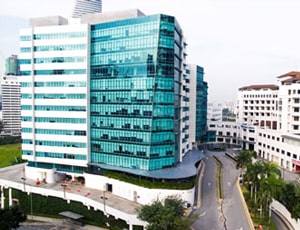
Kuala Lumpur, Malaysia
Number of Beds: 277
Year of Establishment: 2007
Medical Tourism Hospital of the Year 2024
Clinical Service Initiative of the Year 2024
Best in Community Involvement of the Year 2023
Brand of the Year in Healthcare of the Year 2023
Orthopaedic Service Provider of the Year 2023
Clinical Service Initiative of the Year 2023
Medical Tourism Hospital of the Year of the Year 2023
Top Children’s Hospital of the Year 2022
MRO Service Star of the Year 2022


Kuala Lumpur, Malaysia
Number of Beds: 724
Year of Establishment: 1999
Frost & Sullivan: 2024 Malaysian Hospital Market Leadership Award
College of American Pathologists (CAP) Accreditation
Healthcare Asia Awards 2024: Hospital of the Year (Malaysia)
Healthcare Asia Awards 2024: Health Promotion Initiative of the Year
Reader’s Digest Trusted Brand 2024
Newsweek World’s Best Hospitals 2024
World Stroke Organisation (WSO) Angels Awards 2023 - Gold Award (Q4)
World Stroke Organisation (WSO) Angels Awards 2023 - Gold Award (Q3)

2023, Best Specialized Hospital Asia Pacific – Endocrinology
2023, Best Specialized Hospital Asia Pacific – Cardiology
2022, GlobalHealth Asia Pacific Child Development and Paediatric Service Provider of the Year in Asia Pacific
2022, Frost & Sullivan – Malaysia Emerging Hospital Company of the year award
2022, Malaysian Healthcare Tourism Corporation (MHTC) Elite member (Jan 2022 - Dec 2022)
2022, Malaysian Society for Quality in Health (MSQH) - (2020-2024)
2019, Healthcare Infection Control Management Resources (HICMR)
2018, The Brand Laureate Best Brand – Brand leadership Award (2018-2019)

Kuala Lumpur, Malaysia
Number of Beds: 442
Year of Establishment: 1985
Healthcare Asia Awards 2024, Subang Jaya Medical Centre wins ESG Program of the Year
Frost & Sullivan, Subang Jaya Medical Centre wins Best Practices Award, Malaysian Best Hospital Company of the Year
GlobalHealth Asia-Pacific Awards, Subang Jaya Medical Centre wins Hospital of the Year in Asia-Pacific
GlobalHealth Asia-Pacific Awards, Subang Jaya Medical Centre wins Advanced Genetic Centre Provider of the Year in Asia-Pacific
GlobalHealth Asia-Pacific Awards, Subang Jaya Medical Centre wins Diabetes Service Provider of the Year in Asia-Pacific
GlobalHealth Asia-Pacific Awards, Subang Jaya Medical Centre wins Multi-Disciplinary Oncology Service Provider of the Year in Asia-Pacific
GlobalHealth Asia-Pacific Awards, Subang Jaya Medical Centre wins CSR Service of the Year in Asia-Pacific
GlobalHealth MedTech Awards, Subang Jaya Medical Centre wins the Excellence in Digital Health Innovation of the Year

Global Health Asia Pacific Awards 2023, Sports Rehabilitation and Physiotherapy Service Provider Of The Year In Asia Pacific
Newsweek Best Specialized Hospital APAC 2023, Paediatrics
Healthcare Asia Awards 2023, Vaccination Delivery of the Year - Malaysia
Malaysian Healthcare & Wellness Excellence Award 2023

Kuala Lumpur, Malaysia
Number of Beds: 171
Year of Establishment: 2016
Ask your healthcare adviser for the best multiple options and choose the one that meets your expectations

| Speciality | Neurology |
| Procedure | Endoscopic Third Ventriculostomy |
| Success Rate | 85-95% |
| Recovery Time | 3-4 weeks |
| Treatment Time | 2-4 hours |
| Chances of Recurrence | 10-20% |
Endoscopic Third Ventriculostomy (ETV) is a neurosurgical procedure used to treat hydrocephalus, a condition in which cerebrospinal fluid builds up in the ventricles of the brain. During an ETC procedure, a neuroendoscope is inserted through a small hole in the skull. This allows the surgeon to create a new pathway for the cerebrospinal fluid to flow through, bypassing the obstructed areas.
ETV is a neurological procedure that is commonly suggested to treat obstructive hydrocephalus- a type of hydrocephalus where the normal flow of cerebrospinal fluid is blocked, leading to fluid buildup and increased intracranial pressure.
The recovery process after ETV varies depending on individual factors like the patient's age, overall health, and severity of their condition. After the procedure, patients may need to stay in the hospital for a few days for monitoring. Physical activity and certain restrictions may be advised during the recovery period. Regular follow-up appointments and imaging tests will be scheduled to assess the effectiveness of the procedure and the patient's progress. Overall, the recovery after an ETV procedure may take at least 2 - 6 weeks.
According to the procedure, hospitals are ranked based on a variety of components. While categorizing hospitals for Endoscopic Third Ventriculostomy in Malaysia, some of the important factors are Infrastructure, procedure accessibility, procedure popularity, Technology, Cost-effectiveness, Experienced Doctors, Patient-care Facilities, and Success Rate
MediGence offers a blend of high-quality medical care, convenience, and cost-savings for patients across the world. We make sure that your healthcare journey should be easy and hassle-free while receiving treatment overseas. Some of our caregiving services & unmatched benefits include hotel stays or accommodation, airport transfers, dedicated case manager, care packages for recovery, online consultations with the specialist, 24/7 assistance, and prenegotiated treatment packages with an assured 30% discount. Other than these, there are multiple value-added services you can avail with MediGence
Yes. You can avail a video consultation with a specialist before you plan your medical travel. To schedule your online consultation with the specialist, you can reach one of our patient counselors. Upon your request, our experts will check the doctor's availability, and send you the payment link to finalize the appointment.
Many people have started traveling to Malaysia for Endoscopic Third Ventriculostomy due to the country’s modern healthcare infrastructure and high success rate. Other factors that make Malaysia the preferred option for Endoscopic Third Ventriculostomy include:
The length of recovery after treatment is determined by the patient's overall health as well as the criticality of the treatment. Other factors, such as the patient's continued participation in rehabilitation sessions and postoperative care appointments, have a significant impact on the length of their recovery. Patients must also visit for follow-ups post-surgery to ensure proper healing and speed up the recovery process.