Browse verified doctors or let our care team help you find the doctor best suited to your condition, treatment goals, and budget.

Choosing Mount Elizabeth Novena Hospital for CRT - D gives patients access to experienced cardiac specialists, advanced electrophysiology technology, and comprehensive cardiovascular care. Established in 2012, the JCI hospital in Novena, Singapore has 313 beds and provides specialised cardiac services.
CRT-D may be considered for patients with certain types of heart failure who have reduced pumping function and an electrical conduction abnormality that causes the ventricles to contract asynchronously. The device delivers coordinated electrical stimulation to improve ventricular synchrony while providing defibrillation therapy when needed. Before implantation, doctors perform cardiac investigations to assess heart rhythm, ventricular function, and the risk of serious arrhythmias. Follow-up visits help monitor the device and the patient's response.
Mount Elizabeth Hospital offers advanced CRT-D (Cardiac Resynchronisation Therapy with Defibrillator) using modern cardiac electrophysiology techniques and internationally accepted treatment protocols. Established in 1979, the JCI hospital is located in Singapore, Singapore and has 345 beds, providing comprehensive care for local and international patients.
CRT-D is a device-based treatment for selected patients with heart failure and abnormal electrical conduction that causes the ventricles to beat out of sync. The device helps coordinate the heart's ventricular contractions and can also deliver an electrical shock when a life-threatening abnormal heart rhythm occurs. Before implantation, doctors evaluate heart rhythm, ventricular function, and overall cardiac health. Regular follow-up is required to monitor device function and adjust treatment when necessary.
At Gleneagles Hospital, CRT - D is performed using advanced cardiac device implantation techniques and personalised treatment plans based on the patient's condition. Established in 1959, this JCI hospital in Singapore, Singapore has 258 beds and provides comprehensive cardiovascular care.
CRT-D may be recommended for selected patients with heart failure, reduced heart function, and electrical conduction abnormalities that lead to poorly coordinated ventricular contractions. The device combines cardiac resynchronisation therapy with an implantable cardioverter-defibrillator. It delivers electrical impulses to help synchronise ventricular contractions and can provide therapy for certain dangerous heart rhythms. Before implantation, patients typically undergo ECG, echocardiography, and other cardiac assessments to determine whether CRT-D is appropriate.
Parkway East Hospital is a trusted healthcare provider for CRT - D, offering advanced cardiac rhythm management supported by experienced specialists and modern medical infrastructure. Established in 1942, the JCI hospital is situated in Singapore, Singapore and has 143 beds.
CRT-D is a specialised cardiac device that combines resynchronisation therapy with defibrillator protection. It may help selected patients whose heart failure is associated with abnormal electrical conduction and an increased risk of serious ventricular arrhythmias. During implantation, leads are positioned in the heart and connected to a pulse generator placed under the skin. Doctors assess cardiac function and electrical activity before the procedure, and then perform regular monitoring to ensure proper device performance.
At Farrer Park Hospital, CRT - D is performed using advanced cardiac device implantation techniques and personalised treatment plans based on the patient's condition. Established in 2016, this hospital in Singapore, Singapore has 220 beds and provides comprehensive cardiovascular care.
CRT-D may be recommended for selected patients with heart failure, reduced heart function, and electrical conduction abnormalities that lead to poorly coordinated ventricular contractions. The device combines cardiac resynchronisation therapy with an implantable cardioverter-defibrillator. It delivers electrical impulses to help synchronise ventricular contractions and can provide therapy for certain dangerous heart rhythms. Before implantation, patients typically undergo ECG, echocardiography, and other cardiac assessments to determine whether CRT-D is appropriate.
Thomson Medical Centre provides specialised CRT - D with a focus on patient safety, precise device implantation, and long-term cardiac care. Established in 1979, the hospital is located in Singapore, Singapore, and operates 190 beds, equipped with modern healthcare infrastructure.
CRT-D (Cardiac Resynchronisation Therapy with Defibrillator) is designed to provide both ventricular resynchronisation and protection against certain life-threatening abnormal heart rhythms. It is used in carefully selected patients with heart failure and specific electrical conduction abnormalities. The device uses leads to deliver electrical impulses that coordinate ventricular contractions and can deliver a shock when required to terminate certain dangerous rhythms. Comprehensive cardiac evaluation before implantation and ongoing device follow-up are important parts of treatment.

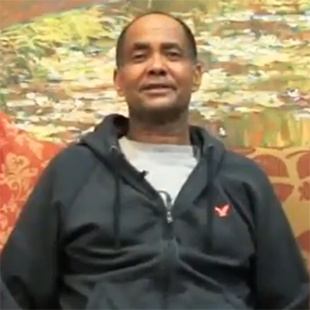
Mr. Hailu Kassa underwent Coronary Artery Bypass Surgery in Vejthani Hospital, Thailand under the supervision of Dr. Piya, Cardio-Thoracic Surgeon

Patient Testimonial: Rod Schaubroeck from United States (U.S.A) underwent heart valve replacement at Fortis Hospital, India