2 Hospitals
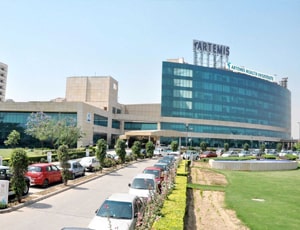
- First Position in CII National HR Circle Competition (Stream: Innovative Leadership during Crisis) – 2020
Awarded by: Confederation of Indian Industry (CII)
- Kayakalp Award for Excellence in Promoting Cleanliness, Hygiene & Infection Control – 2019
Awarded by: Quality Council of India, in association with the Ministry of Health & Family Welfare
- FICCI Healthcare Excellence Award for Service Excellence – 2018
Awarded by: Federation of Indian Chambers of Commerce & Industry (FICCI)
- Indian Excellence Award – Best Super Specialty Hospital in Delhi-NCR – 2017
Awarded by: Indian Excellence Awards
- Asia Pacific Hand Hygiene Excellence Award – 2010
Awarded by: World Health Organization (WHO)
- Accreditation


Please Enquire

- India IVF Award for Excellence in Fertility Services (2020) - Recognised for high-quality fertility treatment outcomes (earned when the hospital was known as W Pratiksha Hospital).
- Best Emerging Multispeciality Hospital in Delhi NCR (2021) -Acknowledged by the Times Health Survey for overall clinical performance and patient care.
- Healthcare Leadership Awards 2022 - Excellence in Women & Child Healthcare - Celebrating superior maternity and child health services.
- Economic Times Healthcare Awards 2023 - India’s Most Trusted Hospital Brand - Recognition for trust and reputation in healthcare delivery.
- Accreditation

Ask your healthcare adviser for the best multiple options and choose the one that meets your expectations
Request for an Expert Opinion

Outcomes of Atherectomy
| Speciality | Cardiac Sciences |
| Procedure | Atherectomy |
| Success Rate | 75-85% |
| Recovery Time | 3 to 7 days |
| Treatment Time | 2 to 3 hours |
| Chances of Recurrence | 5-10% |
What is an Atherectomy, and how does it work?
Atherectomy is a minimally invasive medical procedure that removes plaque buildup from narrowed arteries to create a better pathway for blood flow. During the procedure, a catheter with a cutting or ablating device is inserted into the affected artery. The atherectomy procedure helps restore blood flow and improve the artery's diameter. There are 4 main types of atherectomy excisional atherectomy (a blade is used to cut the plaque in one direction), laser ablation atherectomy (use of a laser beam to destroy plaque), orbital atherectomy, and rotational atherectomy (circular motion blades are used to cut through the plaque).
What medical conditions can be treated through Atherectomy?
Atherectomy is primarily used to treat peripheral arterial disease (PAD) and peripheral vascular disease (PVD) in the lower extremities. It is especially beneficial when traditional treatments like angioplasty and stenting are not suitable due to severe calcification or complex plaque formation.
What is the recovery process after an Atherectomy?
The recovery period after an atherectomy is usually short. The site of insertion may feel a little bruised. The patient may feel some discomfort for a few hours post procedure. The patient is usually discharged in a day or two. They are advised to rest and avoid strenuous activities for a few days. The healthcare team monitors the patient's progress and provides appropriate post-procedure care instructions to ensure a smooth recovery.
Frequently Asked Questions
According to the procedure, hospitals are ranked based on a variety of components. When it comes to Gurgaon, the following measures can be used to rank hospitals for Atherectomy- Infrastructure, Availability of the Procedure, Popularity for the procedure, Technology Used, Qualified & Experienced Specialists, Cost, Facilities provided, Success Rate
MediGence works incredibly diligently to ensure that you get the best possible medical travel experience that is also accessible and reasonable. We wish you to experience a trouble-free and quality healthcare journey, so we make sure that you receive our value-added benefits throughout your journey. Dedicated Case Manager, Video Consultation, Hotel stays or Accommodation, Recovery packages, round-the-clock assistance, and personalized packages with discounts of up to 30% are some of the best caregiving services offered. Other than these, there are multiple value-added services you can avail with MediGence
Yes, it's simple to do that. When one of our patient advisors contacts you about your inquiry, you can demand an online consultation with the specialist. They will check the doctor's availability, send the payment link to you, and finalize your appointment.
Gurgaon is becoming a prime destination for many people across the world for Atherectomy because of high success rates and modern infrastructure. In addition, there are other parameters that make Gurgaon the ideal option for Atherectomy. They include:
- Skilled and Qualified specialists
- Affordable treatment plans
- Transparency and data privacy
- Internationally recognised hospitals
- Modern healthcare technologies
Different procedures have varying recovery times based on the patient's health and the complexity of the treatment. The length of the patient's recovery is also greatly influenced by other variables, such as their continued participation in rehabilitation sessions and postoperative care appointments. Patients must go back for follow-up appointments after surgery in order to ensure proper healing and speed up the healing process.