Your Notifications
All done, no notifications

Endoscopy (UGI Endoscopy): Symptoms, Classification, Diagnosis & Recovery

An upper GI endoscopy, or esophagogastroduodenoscopy (EGD), is a procedure used to diagnose and treat issues in the upper gastrointestinal (GI) tract. The upper GI tract includes the esophagus (food pipe), stomach, and the duodenum (the first part of the small intestine).

During this procedure, a long, flexible tube called an endoscope is used. The endoscope is equipped with a small light source and a video camera at one end. It is inserted through your mouth and throat, then gently advanced through the esophagus and stomach, and into the duodenum. The video images captured by the camera are displayed on a monitor, allowing the doctor to examine these areas closely.

Classification of Upper Gastrointestinal (UGI) Endoscopy

Based on Purpose

  • Diagnostic Endoscopy
  • Therapeutic Endoscopy

Based on Technique it includes;

  • Standard Endoscopy
  • Advanced Endoscopy
  • Endoscopic Ultrasound (EUS)
  • Capsule Endoscopy
  • Enteroscopy

Signs and symptoms that may give rise to a doctor to recommend an upper gastrointestinal (UGI) endoscopy include:

  • Persistent abdominal pain or discomfort
  • Chronic heartburn or acid reflux
  • Difficulty swallowing (dysphagia)
  • Unexplained weight loss
  • vomiting and nausea
  • Blood in vomit or stool
  • Chronic indigestion/bloating
  • Gastric ulcers or gastritis
  • Hiatal hernia
  • gastrointestinal bleeding
  • Unexplained changes in bowel habits

Following are diagnostic tests used before undergoing Endoscopy:

Laboratory Tests include;

  • Complete Blood Count (CBC)
  • Liver Function Tests (LFTs)
  • Coagulation Profile

Imaging Studies includes;

  • Upper GI Series (Barium Swallow)
  • Abdominal Ultrasound
  • Esophageal pH Monitoring
  • Esophageal Manometry
  • Endoscopic Ultrasound (EUS)
  • Biopsy

After the procedure, the patient will be taken to the recovery room to be watched. Once their blood pressure, pulse, and breathing are stable and they are awake and alert, the Patient will be taken to their hospital room. Alternatively, you may be discharged to your home following the procedure. If you are going home, it is important to arrange for someone to drive you.

The patient will not be allowed to eat or drink anything until the gag reflex returns, This is to prevent choking. It is common to experience a sore throat and discomfort when swallowing for a few days after the procedure, which is considered normal. Some patients may also feel gassy following the procedure. Unless otherwise instructed, patients can typically resume their normal diet and activities after the procedure.

Best Endoscopy (UGI Endoscopy) Hospitals

Prince Court Medical Centre

Prince Court Medical Centre

Kuala Lumpur, Malaysia

At the center of Kuala Lumpur, Malaysia, lies a 270-bed private medical facility called Prince Court...more

FACILITIES

Rehabilitation

Foreign Currency Exchange

Religious Facilities

Free Wifi

Consult Online with World’s Best Endoscopy (UGI Endoscopy)

View All Doctors
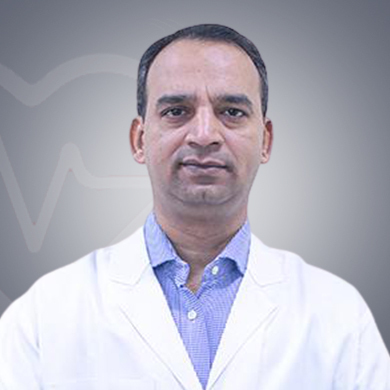
Dr. Manoj Sharma
Dr. Manoj Sharma

Internal Medicine Specialist

Delhi, India

24 of experience

USD  35 for video consultation

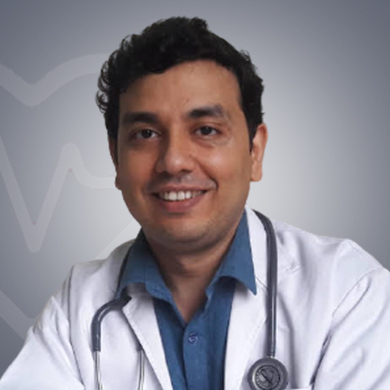
Dr. Abhishek Deepak
Dr. Abhishek Deepak

Gastroenterologist

Noida, India

18 of experience

USD  35 for video consultation

Dr. Naila Arebi
Dr. Naila Arebi

Gastroenterologist

London, United Kingdom

20 of experience

USD  645 for video consultation

Dr. Prof Paris Tekkis

Colorectal Surgeon

London, United Kingdom

30 of experience

USD  645 for video consultation

Explore Top Hospitals Worldwide for Endoscopy (UGI Endoscopy)

Explore Top Hospitals for Endoscopy (UGI Endoscopy)

Author

Nimra Haseeb

MSc Biochemistry

4 Years of Experience

Miss Nimra Haseeb is a medical researcher and a scientific content writer. She holds a Bachelor’s degree in Biotechnology and a Master’s in Biochemistry from Integral University, Lucknow.With strong experience in healthcare research, she specializes in secondary research, clinical data analysis, and evidence-based medical writing. Her work focuses on transforming complex scientific and medical information into clear, accurate, and reliable healthcare content for patients and healthcare audiences. She is also experienced in interpreting medical studies and healthcare trends to deliver well-researched and informative content that supports better health awareness and decision-making.. View More