
Trusted by 100,000+ International Patients
HIPEC: India vs Singapore
Cost, Quality & Recovery Compared
$11000
India Starting Cost
$50000
Singapore Starting Cost
See how these top medical tourism destinations compare for HIPEC.
| Comparison Factor | India | Singapore | Winner |
|---|---|---|---|
| Average Cost (in USD) | 11000 - 15000 | 50000 - 70000 | India |
| Success Rate (Min and Max) | 55% – 80% | 60% – 85% | Singapore |
| Advanced Technology | High-volume oncology centres perform CRS + HIPEC with dedicated perfusion systems, PET-CT imaging, and specialised oncology ICUs. | Advanced CRS + HIPEC programs in specialised oncology centres with high-precision PET-CT imaging, robotic-assisted surgery support, and dedicated surgical oncology ICUs. | Both Equal |
| JCI Accredited Hospitals | 40+ | 10+ | India |
| Visa Process | Medical Visa (3–7 working days; extendable) | Short-Term Medical Visit Pass / Medical Visa | Both Equal |
*Costs are estimates and may vary based on hospital, complexity, and package inclusions. See detailed cost breakdown below
Understand exactly where your money goes. Both countries offer all-inclusive packages, but here's how the costs typically break down.
Best for Budget-Conscious Patients
Offered Package Price (Additional Cost Excluded)
Top Hospitals: BLK-Max Super Speciality Hospital , Shanti Mukand Hospital , Aster CMI Hospital , Fortis Hospital
Best for Flexible Donor Requirements
Offered Package Price (Additional Cost Excluded)
Top Hospitals: Mount Elizabeth Novena Hospital , Mount Elizabeth Hospital , Gleneagles Hospital , Parkway East Hospital
Want a personalized cost estimate based on your specific condition?
Get Your Free QuoteBoth India and Singapore maintain world-class healthcare standards with internationally accredited hospitals and highly trained medical professionals.
JCI-accredited hospitals and NABH-linked quality systems in major oncology centres.
Outcomes depend on patient selection (PCI/CC score) and ICU support; leading centres follow internationally aligned HIPEC protocols.
Regulated under national medical governance, oncology drug handling and surgical safety follow accredited hospital protocols.
Many hospitals in Singapore are internationally accredited with JCI and maintain strict global healthcare quality standards.
HIPEC outcomes depend on disease stage and surgical completeness; Singapore cancer centres follow international oncology protocols and multidisciplinary tumour board decisions.
Healthcare is regulated by the Singapore Ministry of Health with strict oversight for surgical oncology procedures, chemotherapy protocols, and hospital safety standards.
| Quality Metric | India | Singapore |
|---|---|---|
Accredited Hospitals | 40+ | 10+ |
CRS + HIPEC Availability | Yes | Yes |
ICU Support Level | Advanced (tertiary) | Advanced (quaternary care ICUs) |
Top Speciality Hospital Hubs | Delhi, Mumbai, Chennai | Singapore City |
Both countries have highly qualified and experienced medical specialists trained at premier institutions worldwide. Here's what sets them apart.
Surgical oncologists
Program volumes concentrated in select centres; experience varies by hospital.
Highly specialised surgical oncologists and gastrointestinal cancer surgeons trained in CRS + HIPEC procedures.
Leading tertiary hospitals perform HIPEC regularly and maintain multidisciplinary oncology programs with international clinical collaborations.
All surgeons listed on Medigence are verified for their medical license, board certifications, hospital affiliations, and patient outcomes. We conduct background checks and regularly update our database to ensure you're connected with the best medical professionals.
Beyond medical excellence, your comfort during treatment matters. Compare the patient experience at top hospitals in both destinations.

World-class hospitals, exceptional value
Leading tertiary cancer hospitals in India are equipped with advanced operating theatres, HIPEC perfusion machines for heated chemotherapy delivery, surgical oncology ICUs, and comprehensive cancer care facilities, including pathology, imaging, and oncology pharmacy support.

Luxury healthcare experience
Top hospitals in Singapore feature advanced operating theatres, specialised HIPEC perfusion systems, surgical oncology ICUs, robotic surgery support, and comprehensive cancer care including pathology, molecular diagnostics, and advanced imaging facilities.
Plan your medical journey with confidence. Here's everything you need to know about travel, visas, and accommodation in both countries.
We provide end-to-end travel assistance including visa facilitation, airport pickups, hotel bookings near your hospital, and local support throughout your stay. Our patient coordinators handle all logistics so you can focus on recovery.
Understanding the recovery process helps you plan better. Here's what to expect after HIPEC in both countries.
HIPEC is performed during cytoreductive surgery, where heated chemotherapy is circulated inside the abdominal cavity.
Patients require close ICU monitoring immediately after surgery.
Local stay is recommended after discharge for wound care and early recovery monitoring.
Gradual recovery occurs with nutritional support, physiotherapy, and oncology follow-ups.
In-person follow-ups recommended at 3, 6, 12 months. Telemedicine available.
HIPEC is performed during cytoreductive surgery where heated chemotherapy circulates inside the abdominal cavity to target microscopic cancer cells.
Patients are monitored closely in specialised ICUs after surgery.
Doctors usually recommend staying locally after discharge for wound care and follow-up checks.
Recovery gradually improves with nutritional support, physiotherapy, and oncology follow-up care.
Comprehensive telemedicine follow-up program. Return visits at 6, 12 months if possible.
HIPEC recipients require lifelong immunosuppressant medications. Ensure you have a plan for obtaining these medications and regular blood monitoring in your home country before traveling abroad for surgery.
Every medical procedure carries risks. We believe in complete transparency so you can make a fully informed decision about your HIPEC journey.
Higher-than-average surgical risk due to extensive cytoreduction; ICU and infection pathways are critical.
Expected due to major abdominal surgery; managed with protocols.
Possible due to nutritional depletion; requires nutrition optimisation.
Risk of bowel complications, anastomotic leak, and sepsis; it depends on the extent of surgery.
Chemo agent exposure can affect the kidneys and marrow; supportive monitoring is required.
The right choice depends on your specific situation. Here's a clear guide to help you decide which destination aligns with your needs.
Patients diagnosed with peritoneal surface malignancies, such as colorectal cancer spread to the peritoneum, ovarian cancer, appendix cancer, or pseudomyxoma peritonei, who may benefit from cytoreductive surgery combined with heated intraperitoneal chemotherapy.
Patients diagnosed with peritoneal surface malignancies such as colorectal cancer with peritoneal metastasis, ovarian cancer, appendix cancer, peritoneal mesothelioma, or pseudomyxoma peritonei who may benefit from cytoreductive surgery combined with heated intraperitoneal chemotherapy.
Our medical tourism experts can analyze your case and recommend the best destination based on your medical history and budget.
Follow this step-by-step framework to make the right choice for your HIPEC journey.
Doctors confirm diagnosis and evaluate peritoneal disease using the PCI score.
Surgeons assess the feasibility of complete cytoreduction before HIPEC.
Plan ICU recovery, hospital stay, and post-operative care.
Budget for surgery, ICU stay, medicines, and possible complications.
Schedule follow-up monitoring and additional therapy if required.
Let our medical tourism experts guide you through the process. We'll help you:
No obligation • Free consultation • Response within 24 hours
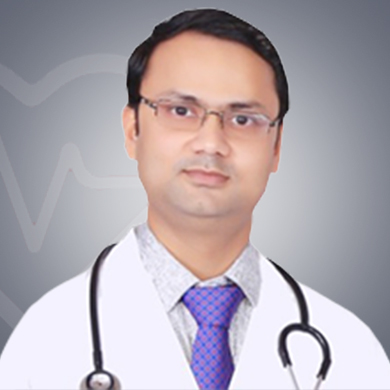
Surgical Oncologist
15 Years of Experience
Dr. Prateek Varshney is a renowned Surgical Oncologist. He has experience of more than 15+ years in surgical Oncology. He is currently practicing as a consultant at Metro Mass Hospital and Cancer Institute. He was also previously associated as a consultant with Sir Ganga Ram Hospital and as a professor at Gujarat Cancer Research Institute. View More
