Ventricular tachycardia Treatment in Turkey
- Top Accredited Hospitals
- Global Medical Standards
- Cutting-Edge Technology
- Proven Treatment Options
- High Success Rate
- Trusted by Millions

What is Ventricular Tachycardia?
Ventricular tachycardia (VT or V-tach) is a form of arrhythmia or irregular heartbeat. It happens when the heart's lower chamber beats too quickly to pump blood, adequately depriving the body of oxygen.
At rest, a healthy heart beats between 60 and 100 times per minute. The heart beats faster in ventricular tachycardia, typically 100 beats per minute or higher.
What is the Importance of Timely Treatment?
Since ventricular tachycardia (VT) can result in ventricular fibrillation, immediate intervention is essential to avoid potentially fatal consequences such as sudden cardiac arrest.
By preventing blood clots, early intervention lowers the risk of stroke and increases survival rates. Treating the arrhythmia early on also helps avoid long-term heart damage, like heart failure.
Timely therapy can also improve the patient's general quality of life by reducing symptoms like fatigue and dizziness.
What are the Common Symptoms of Ventricular tachycardia?
Ventricular tachycardia symptoms appear due to the oxygen shortage. These could include:
- Angina, or chest pain.
- Lightheadedness.
- Palpitations (pounding heartbeat).
- Dizziness
- Breathlessness.
- Fainting is one sign of sustained V-tach.
- Unconsciousness.
- Sudden death or cardiac arrest.
Even with mild symptoms, ventricular tachycardia can be a medical emergency.
Types of Ventricular Tachycardia
The following terms commonly refer to ventricular tachycardia:
- Monomorphic ventricular tachycardia: An Electrocardiogram (EKG) can detect monomorphic ventricular tachycardia, a heart rhythm accounting for 70% of all VT occurrences, as indicated by a consistent wave on the machine.
- Polymorphic ventricular tachycardia: This kind of arrhythmia is quite harmful. The term "poly" refers to the widespread electrical activity of your heart. Depending on the type of polymorphic VT you have, you might require a different kind of medication or treatment.
- Nonsustained ventricular tachycardia: When VT lasts less than 30 seconds, it is called nonsustained ventricular tachycardia.
- Sustained ventricular tachycardia: When a VT episode lasts 30 seconds or more or results in an issue requiring medical attention, such as a sudden decrease in blood pressure, it is called sustained VT.
- Pulseless ventricular tachycardia: When you have this kind of VT, your ventricles beat too quickly to fill with blood and pump it throughout your body. If your heart cannot maintain a regular blood flow, you will not have a pulse.
Causes, Risk Factors and Complications of Ventricular Tachycardia
Causes
Ventricular tachycardia can be brought on by various factors that interfere with cardiac signals. These consist of:
- Previous heart attack.
- Structural heart disease is any cardiac problem that results in tissue scarring.
- Coronary artery disease, which results in inadequate blood supply to the heart muscle.
- Heart issues, such as long QT syndrome, are present from birth.
- variations in the electrolyte levels in the body. These consist of calcium, magnesium, sodium, and potassium.
- Adverse medication reactions.
- Use of stimulants
Risk Factors
Ventricular tachycardia is more likely to occur in any condition that strains the heart or damages cardiac tissue. Changing one's lifestyle to include healthier eating and quitting smoking may reduce the risk. Getting the proper medical care is also crucial if you suffer from any of the following illnesses or circumstances:
- Heart condition.
- Side effects of medicines
- Severe variations in the body's mineral levels are known as electrolyte imbalances.
- A history of stimulant medication use
- Ventricular tachycardia is also more common in people with a family history of tachycardia or other heart rhythm abnormalities.
Complications
Possible complications of ventricular tachycardia include:
- Ventricular fibrillation
- Frequent episodes of unconsciousness or fainting.
- Heart failure.
- Sudden cardiac arrest-related death.
Connect with our advisor for a PRIORITY response
Latest Research and Technologies in the Treatment of Ventricular Tachycardia in Turkey
- Turkey has progressed ventricular tachycardia (VT) treatment with high catheter ablation success rates, and the mid-term outcomes are equivalent to international standards.
- Cost-effective devices, such as the Pentaray high-density mapping catheter, minimise VT recurrences and provide economic feasibility in clinical practice.
- Ablation method innovations, including as ultra-high-density mapping and electroporation, have improved treatment precision and patient outcomes in Turkish cardiac facilities.
Ventricular Tachycardia Prevention Tips
Maintaining a healthy heart is the first step in preventing ventricular tachycardia. Get regular exams and stick to your treatment plan if you have heart disease. Follow the directions on all medications.
- Manage high cholesterol, high blood pressure, and diabetes
- Avoid tobacco use and smoking
- Saturated fat and sodium through diet should be low
- Unless your medical team advises otherwise, try to get in at least 30 minutes of exercise most days of the week
- Get enough rest. Seven to nine hours a day is what adults should strive for
- Keep your weight in check
- Manage and lessen stress
Treatment options for Ventricular tachycardia
Catheter ablation: This procedure involves inserting catheters into the heart's blood arteries, creating tiny scars using sensors, and repairing the heartbeat by blocking abnormal signals.
Open-heart surgery: Some patients require open-heart surgery to stop the additional heart-signalling channel that causes tachycardia.
Implantable cardioverter-defibrillator (ICD): If you risk dangerously rapid or irregular heartbeats in the lower heart chambers, your healthcare team might recommend this device. Near the collarbone, an ICD is inserted beneath the skin.
Cost Start From USD 25546Explore Options
Pacemaker implantation: To help regulate the heartbeat, a pacemaker is a tiny device inserted into the chest.
Cost Start From USD 6000 - USD 14000Explore Options
- Clinical Assessment
- Physical Exam: During a physical examination, a medical professional might listen to your heart and take your pulse to detect an irregular beating.
- Electrocardiogram (ECG or EKG): An EKG test is a quick and straightforward method to determine whether you have a cardiac condition.
- Blood tests to check your electrolyte levels.
- Stress test: An exercise stress test can help you determine how well your heart works when exerting itself.
- Electrophysiology study (EPS): An electrophysiology investigation, often known as an EP study, examines the electrical activity of your heart.
- Coronary angiogram: Coronary angiogram is performed to look for blocked or constricted cardiac blood arteries. This test may be performed on patients with ventricular fibrillation or ventricular tachycardia to examine the heart's blood supply.
- Imaging Tests
- Echocardiogram: An ultrasound examination called echocardiography examines the anatomy and physiology of your heart.
- Holter monitor: This portable ECG gadget can be worn daily or longer to record the heart's activity while performing daily tasks.
- Computed tomography (CT): An imaging test called a CT (computed tomography) scan aids medical professionals in identifying illnesses and wounds.
- Chest X-ray: An X-ray of the chest reveals the state of the heart and lungs.
- Cardiac magnetic resonance imaging (MRI): This test produces still or moving images of the heart's blood flow. Most frequently, it is carried out to identify the etiology of ventricular fibrillation or tachycardia.
- Implantable loop recorder: This little gadget continuously tracks the heartbeat for a maximum of three years. Another name for it is a cardiac event recorder.
- Other Diagnostic:
- Ambulatory monitors: Devices that can capture your heart's electrical activity over extended periods are called ambulatory electrical monitors.
- Tilt table test: Your body's reaction to standing up after lying down is demonstrated by a tilt table test. It accomplishes this safely with fabric straps that prevent you from falling if your blood pressure drops.
Ventricular tachycardia rehabilitation options include:
- Cardiac Rehabilitation Programs: Organized initiatives that promote cardiac rehabilitation through therapy, education, and exercise.
- Device therapy: Keeping an eye on and enhancing implanted cardioverter-defibrillator (ICDs) performance for treating VF.
- Exercise and Physical Activity: Exercise regimens under supervision to enhance endurance and cardiovascular health.
- Lifestyle Modifications: Promoting heart-healthy behaviours such as weight control, quitting smoking, and dietary adjustments.
To slow the rapid heart rate, medications are administered. Beta-blockers are one type of medication used to treat tachycardia.
Instantly Connect with our Specialists


Hospitals for Ventricular tachycardia in Turkey
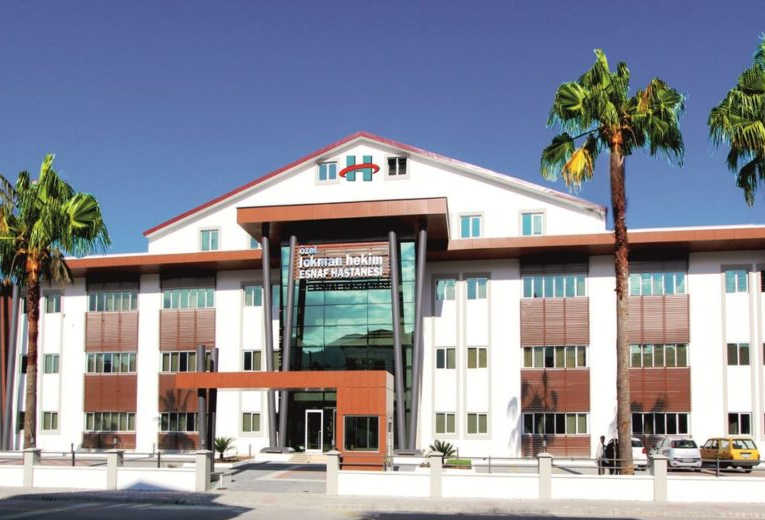
Lokman Hekim Esnaf Hospital
Fethiye, Turkey
Lokman Hekim Esnaf Hospital located in Fethiye, Turkey is accredited by ISO. Also listed below are some of the most prominent infrastructural details:
- The patients rooms have been designed to simulate hotel comfort; homely private rooms equipped with spacious en suite bathrooms, television and Wi-fi
- Rehabilitation Center
- Emergency Department
- ICU
- International Patient Department comprises of a Medical Doctor, a tourism doctor, a manager, an assistant manager and 7 officers

Florence Nightingale Hospital
Istanbul, Turkey
The first green hospital in Turkey, Istanbul Florence Nightingale Hospital, was inaugurated in 2013. Group The Florence Nightingale hospitals are the first Turkish hospitals to be granted Joint Commission International (JCI) accreditation, and they continue to be associated and work with esteemed healthcare organizations.
The Florence Nightingale Group treats 250,000 outpatients and 70,000 inpatients annually, demonstrating its excellence. The hospitals have a capacity of 804 inpatient beds, 141 ICU beds, and 40 operating rooms, and perform 20,000+ procedures annually, of which 1,000 are cardiac operations for children and 2,000 are for adults. For conducting difficult orthopedic, general surgery, minimally invasive, and other heart treatments, the facility stands out. All operating rooms can be interconnected by audio-visual to a 300-person conference room and global hubs, enabling interactive medical teaching and scientific activity.
Interpreter and translator services for languages such as Turkish, Azerbaijani, Bulgarian, Arabic, English, Persian, Serbian, Russian, Albanian, Macedonian, German, Bosnian, and Romanian are available.
The hospital has specialized departments such as Cardiology and Cardiac Surgery, IVF and Infertility, Nephrology, Oncology and Oncosurgery, Spine Surgery, Neurology and Neurosurgery, Orthopedics, Gynecology, and Obesity or Bariatric Surgery. With an extensively qualified and experienced team of advisors and interpreters, Florence Nightingale Istanbul is committed to providing one-stop service from beginning to end, 24 hours a day, 7 days a week.

Medipol Bahçelievler Hospital
Istanbul, Turkey
Medipol Bahcelievler Hospital is a medical institution providing a full range of medical and individualized approaches to its patients. Medipol has the ambition to bring high quality and maximum security to people in need by employing state-of-the-art technologies in medicine. They ensure that the health of the patients is improved by fashioning unique physician specialty treatment programs.
Medipol Bahcelievler Hospital provides an exceptional position in the healthcare industry with a policy of clear communication, professionalism, and reliability to patient expectations. Medipol Bahçelievler Hospital is situated in the European Side of Istanbul, dedicated to 24-hour health care for you and your loved ones, equipped with a fully functional operation theatre and ICUs with state-of-the-art equipment, laboratory, emergency, and advanced treatment rooms
Our Services to better your experience
Opinion & Option
We submit the most accurate opinion and options from one or more countries for your review
Consult Privately
Consult with a certified specialist privately on our telemedicine platform even before you decide to travel
Logistics
We handle flights, visas, transfers, and accommodation—so you can focus on your health.
Recovery
Our In-house rehabilitation service packages to better your recovery and treatment outcome
Why Choose Turkey for Ventricular Tachycardia Treatment?
Here are some of the reasons to choose Turkey:
- Advanced Medical Technology: Turkey provides cutting-edge facilities that use minimally invasive surgical procedures to treat coronary artery disease.
- World-Class Experts: Highly experienced cardiologists and surgeons with international training, backed by JCI-accredited healthcare facilities.
- Cost-Effective Treatment: Compared to many Western countries, treatment in Turkey is less expensive while maintaining high quality.
- International Patient Services: Turkish hospitals offer exceptional multilingual care and assistance to international patients.
- Innovative Treatment Options: Modern technologies include biologic medicines and the most recent research in Ventricular tachycardia treatment.
Frequently Asked Questions
The severity of your ventricular tachycardia and whether you have another cardiac condition will determine your prospects. If your left ventricle is not functioning properly, your prognosis will be poorer.
In Turkey, catheter ablation treatment for ventricular tachycardia (VT) is highly effective, with great acute outcomes and low complication rates. These findings reflect Turkey's modern cardiac care infrastructure and successful ablation procedures, which provide favorable long-term outcomes for VT patients.
Yes, compared to many Western countries, therapy for ventricular tachycardia in Turkey is less expensive, especially given the high quality of care, innovative technologies, and competent professionals.
Yes, Turkish hospitals provide excellent post-procedure follow-up care to monitor progress, manage prescriptions, and guarantee optimal recovery, including remote monitoring options for international patients.
If you or someone else experiences ventricular fibrillation for more than 30 seconds, you should go to the emergency department. You will require immediate medical attention, either with medication or a gadget that shocks your heart with electricity. The aim is to restore your normal heart rate as soon as possible.
If it lasts only a few seconds, it might not be harmful. However, if an episode lasts more than 30 seconds, V-tach can be fatal because it causes ventricular fibrillation, which stops your heart from pumping blood to the rest of your body.
Depending on the root cause, yes. The abnormal rhythm can be fully resolved for some patients with radiofrequency catheter ablation. Although they cannot cure ventricular tachycardia, implanted cardioverter defibrillators (ICDs) treat it by restoring normal rhythm with rapid pacing or shock.
You can take care of yourself if you have ventricular tachycardia by:
- Adhering to the heart-healthy diet and exercise regimen that your medical team suggests.
- Give up using tobacco products.
- Continue taking the medications that your doctor has prescribed.
While both can be dangerous, ventricular tachycardia is more likely to cause death than atrial fibrillation. However, those who have Afib might be at a higher risk of developing VT in the future.
Ventricular tachycardia may be inherited, particularly when it is associated with genetic disorders such as long QT syndrome or arrhythmogenic right ventricular cardiomyopathy.
Many people with VT can have everyday lives with the proper care and therapy, and problems can be avoided with careful monitoring.
Author

Alvina Hasan
Alvina Hasan is a dedicated medical researcher and scientific writer with a strong foundation in pharmaceutical sciences. She holds a B.Pharm from Jamia Hamdard University and an M.Pharm in Quality Assurance from DIPSAR University.
With deep medical expertise and a strong interest in healthcare communication, she focuses on transforming complex clinical and scientific information into clear, engaging, and easy-to-understand narratives. She develops insightful healthcare articles and research-driven content designed to support both medical professionals and patients, helping bridge the gap between advanced medical knowledge and practical understanding.
Readers can explore her published research and articles here:
https://carcinogenesis.com/index.php/JOC/article/view/868
https://carcinogenesis.com/index.php/JOC/article/view/870
View MoreReviewer

Dr. Nityanand Tripathi
Interventional Cardiologist
29 Years of Experience
With a rich experience of more than 29 years, Dr. Nityanand has gained a vast spectrum of skills and expertise in performing all types of complex cardiac procedures. He is an expert in clinical & interventional cardiology and electrophysiology. He studied his medicine (MBBS) and MD from the Institute of Medical Sciences of Banaras Hindu University, Varanasi, and later completed his DM in Cardiology from the prestigious King George Medical University, Lucknow. View More
Last Reviewed - January 2026