Uterine Polyps Treatment in Turkey
- Top Accredited Hospitals
- Global Medical Standards
- Cutting-Edge Technology
- Proven Treatment Options
- High Success Rate
- Trusted by Millions

What are Uterine Polyps?
Uterine polyps are growths that connect to the uterine wall and spread out into the uterus. Uterine polyps, are caused by the overgrowth of cells in the endometrium, the lining of the uterus. While most of these polyps are benign (noncancerous), some may be cancerous or potentially develop into cancer (precancerous polyps).
The size range of uterine polyps is a few millimetres to several centimetres or more. They are attached to the uterine wall by a slender stalk or a significant base.
One or more uterine polyps may be present. Although they often remain inside the uterus, they can enter the vagina through the cervix, the uterine opening.
What is the Importance of Timely Treatment?
Uterine polyps must be treated on time for a number of reasons. First, it helps avoid problems like heavy or irregular bleeding, which can cause serious discomfort or anaemia. Early treatment of polyps can enhance reproductive health because they can also result in infertility or pregnancy difficulties like miscarriage and preterm birth.
Even though the majority of polyps are benign, some may contain precancerous cells or eventually turn into cancer, so early detection and excision are crucial for preventing cancer. Uterine polyps can prevent embryo implantation in women who are trying to conceive, therefore early removal can increase fertility.
Early polyp treatment can also improve overall quality of life by reducing symptoms including irregular bleeding and pelvic pain.
What are the Common Symptoms of Uterine Polyps?
Uterine polyp signs and symptoms include:
- Bleeding from the vagina after menopause
- Bleeding in between menstruation
- Regular, unpredictable intervals that vary in length and weight
- Really heavy menstruation
- Infertility
Some people have no symptoms, while others just have minor spotting or bleeding.
Causes, Risk Factors and Complications of Uterine Polyps
Causes
- Hormonal factors appear to be important.
- Because uterine polyps are estrogen-sensitive, their growth is influenced by the body's estrogen production.
Risk Factors
Risk factors for developing uterine polyps include:
- Being perimenopausal or postmenopausal.
- Being obese.
- Taking medication therapy for breast cancer.
- Taking hormone therapy for menopause symptoms.
Complications
- Infertility may be linked to uterine polyps.
- Although the evidence is conflicting, removing uterine polyps that prevent you from becoming pregnant may help you conceive.
Connect with our advisor for a PRIORITY response
Latest Research and Technologies in the Treatment of Uterine polyps in Turkey
- In Turkey, the treatment of uterine polyps has advanced with minimally invasive treatments such as hysteroscopic polypectomy, which provides exact removal with speedy recovery.
- The research focuses on enhancing diagnostic accuracy through high-resolution imaging and genetic investigations to understand polyp-related risks better.
- When combined with tailored care, these technologies improve treatment outcomes and patient satisfaction.
Uterine Polyps Prevention Tips
Some tips to help prevent uterine polyps:
- Maintain a healthy weight
- Manage estrogen levels
- Exercise regularly
- Follow a balanced diet
- Monitor menstrual health
- Avoid smoking
- Regular gynecological checkups
These practices can help lower the risk, even though prevention isn't always assured.
Treatment options for Uterine Polyps
Fibroid removal surgery: Uterine polyps can be removed surgically, just like uterine fibroids. Hysteroscopy with polypectomy and fibroid removal is the name of this technique. Heavy bleeding and persistent stomach pain can be relieved with this minimally invasive surgery.
Cost Start From USD 3250 - USD 7000Explore Options
Laparoscopic Abdominal Hysterectomy: Laparoscopic abdominal hysterectomy, which involves minimally invasive surgery to remove the uterus through tiny incisions guided by a camera, is an option for uterine polyps if other treatments are unsuccessful.
Cost Start From USD 4100 - USD 7000Explore Options
- Pelvic exam: Although imaging tests are usually required for confirmation, a pelvic exam can assist in detecting uterine polyps by enabling the doctor to feel for abnormalities in the uterus or cervix.
- Pap smear: A Pap smear is not typically used to diagnose uterine polyps, as it screens for cervical cancer, but it may reveal abnormal cells that could indicate related issues in the reproductive tract.
- Transvaginal ultrasound: During a transvaginal ultrasound, your healthcare professional will put an ultrasound transducer, a small, portable device, into your vagina. The device's sound waves produce an image of your uterus' interior, including any potential abnormalities.
- Sonohysterography: Following your first transvaginal ultrasound, your doctor might use a catheter a thin tube to inject a sterile solution into your uterus. Your uterus expands due to the fluid, making any growth inside your uterine cavity easier to see during the ultrasound scan.
- Hysteroscopy: Your provider inserts a long, thin tube with a lighted telescope (hysteroscope) through your vagina and cervix into your uterus. The hysteroscope allows your provider to examine the inside of your uterus. Hysteroscopy is sometimes used in combination with surgery to remove uterine polyps.
- Endometrial biopsy: Your doctor takes tissue from the inside walls of your uterus using a soft plastic tool. A laboratory test is performed on the sample to look for abnormal cells.
- Curettage: It is the process of scraping tissue from the inner walls of the uterus with a long metal instrument to test for cancer cells.
Rehabilitation options for uterine polyps
- Post-Surgical Care: Patients who have had their uterine polyps surgically removed should rest for a few days and avoid vigorous activities.
- Physical Activity:
- Once a doctor has cleared you, gradually resume light physical exercise, such as walking.
- To avoid issues, refrain from performing high-impact exercises until you fully recover.
Certain hormonal medications, such as gonadotropin-releasing hormone agonists and progestins, may reduce polyp symptoms.
However, using these medications is usually only a temporary fix, and once the medication is removed, symptoms frequently return.
Instantly Connect with our Specialists


Hospitals for Uterine Polyps in Turkey
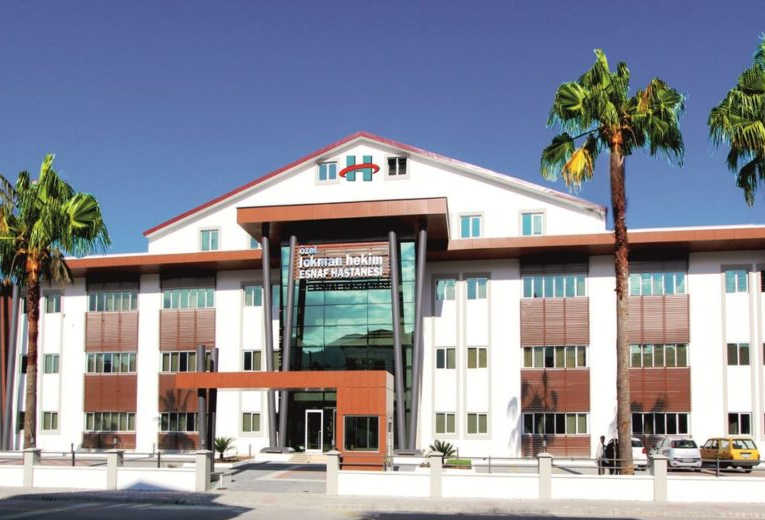
Lokman Hekim Esnaf Hospital
Fethiye, Turkey
Lokman Hekim Esnaf Hospital located in Fethiye, Turkey is accredited by ISO. Also listed below are some of the most prominent infrastructural details:
- The patients rooms have been designed to simulate hotel comfort; homely private rooms equipped with spacious en suite bathrooms, television and Wi-fi
- Rehabilitation Center
- Emergency Department
- ICU
- International Patient Department comprises of a Medical Doctor, a tourism doctor, a manager, an assistant manager and 7 officers

Florence Nightingale Hospital
Istanbul, Turkey
The first green hospital in Turkey, Istanbul Florence Nightingale Hospital, was inaugurated in 2013. Group The Florence Nightingale hospitals are the first Turkish hospitals to be granted Joint Commission International (JCI) accreditation, and they continue to be associated and work with esteemed healthcare organizations.
The Florence Nightingale Group treats 250,000 outpatients and 70,000 inpatients annually, demonstrating its excellence. The hospitals have a capacity of 804 inpatient beds, 141 ICU beds, and 40 operating rooms, and perform 20,000+ procedures annually, of which 1,000 are cardiac operations for children and 2,000 are for adults. For conducting difficult orthopedic, general surgery, minimally invasive, and other heart treatments, the facility stands out. All operating rooms can be interconnected by audio-visual to a 300-person conference room and global hubs, enabling interactive medical teaching and scientific activity.
Interpreter and translator services for languages such as Turkish, Azerbaijani, Bulgarian, Arabic, English, Persian, Serbian, Russian, Albanian, Macedonian, German, Bosnian, and Romanian are available.
The hospital has specialized departments such as Cardiology and Cardiac Surgery, IVF and Infertility, Nephrology, Oncology and Oncosurgery, Spine Surgery, Neurology and Neurosurgery, Orthopedics, Gynecology, and Obesity or Bariatric Surgery. With an extensively qualified and experienced team of advisors and interpreters, Florence Nightingale Istanbul is committed to providing one-stop service from beginning to end, 24 hours a day, 7 days a week.

Medipol Bahçelievler Hospital
Istanbul, Turkey
Medipol Bahcelievler Hospital is a medical institution providing a full range of medical and individualized approaches to its patients. Medipol has the ambition to bring high quality and maximum security to people in need by employing state-of-the-art technologies in medicine. They ensure that the health of the patients is improved by fashioning unique physician specialty treatment programs.
Medipol Bahcelievler Hospital provides an exceptional position in the healthcare industry with a policy of clear communication, professionalism, and reliability to patient expectations. Medipol Bahçelievler Hospital is situated in the European Side of Istanbul, dedicated to 24-hour health care for you and your loved ones, equipped with a fully functional operation theatre and ICUs with state-of-the-art equipment, laboratory, emergency, and advanced treatment rooms
Our Services to better your experience
Opinion & Option
We submit the most accurate opinion and options from one or more countries for your review
Consult Privately
Consult with a certified specialist privately on our telemedicine platform even before you decide to travel
Logistics
We handle flights, visas, transfers, and accommodation—so you can focus on your health.
Recovery
Our In-house rehabilitation service packages to better your recovery and treatment outcome
Why Choose Turkey for Uterine Polyp Treatment?
Here are some of the reasons for choosing Turkey:
- Due to advancements in medical facilities, such as minimally invasive surgical techniques.
- World-class experts include highly experienced doctors and JCI-accredited healthcare institutions.
- Compared to other countries, treatment in Turkish hospitals is cost-effective.
- Turkey hospitals provide International patient services, including a multilingual support system.
- Improved treatment methods and biological therapies.
Frequently Asked Questions
One significant predictor of polyps is age. Uterine polyps are most likely to appear in people in their 40s and 50s as they approach menopause (perimenopause). Though they are uncommon in those under 20, uterine polyps can develop after menopause (postmenopause).
You are also more likely to develop uterine polyps if you:
- Are obese (BMI > 30) or overweight (BMI 25 < 30).
- Possess hypertension or elevated blood pressure.
- Take the medication which is used to treat breast cancer.
- Get a high dose of estrogen as part of hormone replacement treatment.
Sometimes, uterine polyps are asymptomatic, which means they don't produce any symptoms. Because of this, many uterine polyp sufferers might never be diagnosed. There is evidence that some populations have higher rates of polyps. For example, persons who have experienced menopause are more likely to have them than those who have not.
In Turkey, hysteroscopic polypectomy is highly effective, with success rates ranging from 85% to 95%. This minimally invasive method not only effectively eliminates polyps but also has rapid recovery durations, which contributes to its widespread use.
Like menstruation cramps, large polyps can occasionally cause dull pain in your lower back or abdomen. However, pain is not a typical sign of uterine polyps.
It varies. The polyp is regarded as a minimal danger if you are premenopausal and have no symptoms. It might not have to be taken out. Your doctor could advise removal if you are postmenopausal or exhibiting signs like irregular bleeding. If polyps potentially interfere with your fertility or cause issues during pregnancy, your doctor may also remove them.
The results of removing uterine polyps are very good. According to research, eliminating polyps reduces symptoms 75% to 100% of the time. After removal, polyps hardly ever regrow. Your provider can suggest therapies if they do.
Author

Alvina Hasan
Alvina Hasan is a dedicated medical researcher and scientific writer with a strong foundation in pharmaceutical sciences. She holds a B.Pharm from Jamia Hamdard University and an M.Pharm in Quality Assurance from DIPSAR University.
With deep medical expertise and a strong interest in healthcare communication, she focuses on transforming complex clinical and scientific information into clear, engaging, and easy-to-understand narratives. She develops insightful healthcare articles and research-driven content designed to support both medical professionals and patients, helping bridge the gap between advanced medical knowledge and practical understanding.
Readers can explore her published research and articles here:
https://carcinogenesis.com/index.php/JOC/article/view/868
https://carcinogenesis.com/index.php/JOC/article/view/870
View MoreReviewer

Dr. Uma Vaidyanathan
Gynecologist Laproscopic Surgeon
19 Years of Experience
Dr. Uma Vaidyanathan joined Fortis Healthcare in November 2019 after practising an effective clinical practice in prestigious corporate hospitals.She has previously worked on research initiatives related to maternal mortality and infections during pregnancy at AIIMS, Safdarjung Hospital, and WHO. View More
Last Reviewed - January 2026