Triple Vessel Disease Treatment in Singapore
- Top Accredited Hospitals
- Global Medical Standards
- Cutting-Edge Technology
- Proven Treatment Options
- High Success Rate
- Trusted by Millions

What is a Triple Vessel Disease?
Triple Vessel Disease refers to significant coronary artery disease involving the three major coronary territories, commonly the left anterior descending, left circumflex, and right coronary arteries. It usually develops from atherosclerotic plaque buildup and may reduce blood supply to the heart. Treatment depends on the extent and location of blockages, symptoms, heart function, and overall health.
What is the Importance of Timely Treatment?
Timely treatment can improve blood flow to the heart, control symptoms, reduce the risk of heart attack and heart failure, and help prevent further cardiovascular complications. Early assessment also helps determine whether medical therapy, angioplasty and stenting, or coronary artery bypass grafting (CABG) is most appropriate.
What are the Common Symptoms of Triple Vessel Disease?
- Chest Pain or Discomfort: Pressure, tightness, heaviness, or squeezing in the chest, particularly during physical activity.
- Shortness of Breath: Reduced blood flow to the heart may cause breathlessness during exertion.
- Fatigue: Reduced cardiac efficiency may cause unusual tiredness or decreased exercise tolerance.
- Pain in Other Areas: Discomfort may spread to the arm, shoulder, neck, jaw, back, or upper abdomen.
- Palpitations: Some patients may experience a racing, pounding, or irregular heartbeat.
- Dizziness or Sweating: Lightheadedness, cold sweating, nausea, or weakness may occur, particularly during an acute coronary event.
Causes and Risk Factors of Triple Vessel Disease
Causes
- Atherosclerosis: Plaque buildup within the coronary arteries is the most common cause.
- High LDL Cholesterol: Excess LDL cholesterol contributes to plaque formation.
- High Blood Pressure: Long-term hypertension can damage artery walls and accelerate atherosclerosis.
- Diabetes: Persistently elevated blood glucose can increase vascular damage and plaque formation.
- Smoking: Tobacco exposure damages blood vessels and increases cardiovascular risk.
Risk Factors
- Increasing age
- High blood pressure
- High LDL cholesterol
- Diabetes
- Smoking or tobacco use
- Obesity
- Physical inactivity
- Unhealthy diet
- Family history of premature coronary artery disease
- Chronic kidney disease
Latest Research and Technologies in the Treatment of Triple Vessel Disease in Singapore
- Recent advances include CT coronary angiography, CT-based flow assessment, fractional flow reserve (FFR), intravascular ultrasound (IVUS), and optical coherence tomography (OCT) for detailed assessment of coronary anatomy and blood flow. Modern treatment uses personalised risk assessment, intensive medical therapy, advanced drug-eluting stents, and improved PCI techniques. For patients with complex multivessel disease, coronary artery bypass grafting (CABG) remains an important treatment option, with advanced surgical planning and minimally invasive approaches available in selected centres. Heart Teams of cardiologists and cardiac surgeons increasingly make decisions using scoring tools to compare options for each patient.
Treatment options for Triple Vessel Disease
Coronary Artery Bypass Grafting (CABG) : According to global guidelines (ACC/AHA and ESC), CABG is the gold-standard, first-line revascularisation choice for Triple Vessel Disease.
Cost Start From 41250Explore Options
Angioplasty and Stenting: Percutaneous Coronary Intervention (PCI) can be considered an alternative to surgery for 3VD if the coronary anatomy is less complex (low SYNTAX score) or if the patient is at high surgical risk.
Hybrid or Minimally Invasive Procedures: This involves an advanced combination approach (e.g., a minimally invasive surgical LIMA-to-LAD graft combined with catheter-based PCI stenting for the other two vessels) managed by a Heart Team.
- Clinical assessment:
- Medical History: Assessment of chest pain, breathlessness, exercise tolerance, cardiovascular risk factors, previous heart disease, and family history.
- Physical Examination: Evaluation of blood pressure, heart rate, weight, and other cardiovascular findings.
- Electrocardiogram (ECG): Assesses heart rhythm and may identify evidence of ischemia or previous heart damage.
- Blood Tests: Lipid profile, glucose, HbA1c, kidney function, and cardiac biomarkers when clinically indicated.
- Stress Testing: Exercise or pharmacological stress testing may assess myocardial blood supply and exercise-related symptoms.
- Imaging Tests:
- Coronary Angiography: The primary invasive test for defining the location and severity of coronary blockages and planning revascularisation.
- CT Coronary Angiography: Provides detailed images of coronary anatomy and may be useful in selected patients.
- Echocardiography: Evaluates heart structure, pumping function, and regional wall motion.
- Cardiac MRI: Provides detailed assessment of heart function, myocardial viability, and scarring in selected patients.
- Nuclear Cardiac Imaging: May assess myocardial perfusion and identify areas with reduced blood flow.
- IVUS: Provides detailed images of coronary arteries from inside the vessel during selected interventions.
- OCT: Provides high-resolution images of coronary plaques and stents during selected procedures.
- FFR/iFR: Physiological measurements can help determine whether specific coronary narrowings significantly affect blood flow.
MediRehab (a chain of Rehab centres, part of MediGence) provides comprehensive rehabilitation services designed to support Triple Vessel Disease patients in Singapore. These services include:
- Cardiac Rehabilitation: Structured rehabilitation can support recovery and improve cardiovascular fitness.
- Gradual Physical Activity: Increase activity according to heart function, symptoms, and medical advice.
- Weight Management: Maintaining a healthy weight supports heart health.
- Medicines for triple-vessel disease may include statins or other lipid-lowering therapies, antiplatelet medicines, beta-blockers, nitrates, blood-pressure medicines, and diabetes medications, depending on the patient's condition. Treatment is individualised according to symptoms, coronary anatomy, heart function, cardiovascular risk, and whether revascularisation has been performed.
Instantly Connect with our Specialists


Hospitals for Triple Vessel Disease in Singapore

Parkway East Hospital
Singapore, Singapore
Parkway East Hospital located in Joo Chiat Pl, Singapore is accredited by JCI. Also listed below are some of the most prominent infrastructural details:
- Total capacity for 143 beds
- Hospital rooms are available- Single room, 2-bedded room (8), 4-bedded room (2), Deluxe room, and Orchid/Hibiscus Suite
- All rooms are equipped with all ensuite facilities like Free wifi, mini fridge, sofa couch, telephone, in-room safe, TV, etc.
- Maternity wards- Accredited as a baby-friendly hospital under the World Health Organisations Baby-Friendly Hospital Initiative (BFHI)
- 1 Neonatal Intensive Care Unit (NICU) with 14 cots
- Intensive Care Unit
- 1 Operation Theatre with 5 Operating rooms
- 1 Nursery with 30 cots
- 1 Parentcraft room
- 24-hour walk-in-clinic (for emergency)
- 24-hour Pharmacy

Mount Elizabeth Hospital
Singapore, Singapore
Mount Elizabeth Hospital located in Singapore, Singapore is accredited by JCI. Also listed below are some of the most prominent infrastructural details:
- 345 bedded Hospital
- Maternity wards
- The Mount Elizabeth Patient Assistance Centre (MPAC)
- 1 major operating unit with 12 operating rooms and 1 operating theatre dedicated to in vitro fertilisation (IVF)
- Intensive Care Unit
- High Dependency Unit (HDU)
- Neonatal Intensive Care Unit (NICU)
- Accident & Emergency Department
- Rooms are categorized as Single rooms, 2-bedded rooms, 4-bedded rooms, Executive deluxe suite, Daffodil/Magnolia suite, VIP Room, and Royal Suite
- All patient rooms are equipped with electric safe, LCD, sofa cum bed, wardrobe, radio channels, and much more
- Parking lot

Farrer Park Hospital
Singapore, Singapore
Apart from in-detail treatment procedures available, Farrer Park Hospital located in Connexion, Singapore has a wide variety of facilities available for International Patients. Some of the facilities which are provided by them are Accommodation, Airport Transfer, Choice of Meals, Interpreter, SIM, TV inside room. Also listed below are some of the most prominent infrastructural details:
- A medical centre is linked to the Farrer Park Hospital Complex, Connexion, Singapore
- The focus of the hospital is to bring together two essential elements: those of healthcare combined with hospitality.
- There is a building with 20 different stories which comprises Owen Link, hotel and spa.
- Personal attention and patient care focus is maintained with a system in place of listening, analysing, evaluating and then implementing a treatment plan.
- 121 bed capacity
- Technology and innovations help provide the best of medical and surgical treatment options.
- Professionally implemented international patient care systems
- Suites: Cardiovascular, day surgery, endoscopy, major surgery, nuclear medicine, radiation oncology, and inpatient suite
- Diagnostic imaging and intensive care unit
- 24 hour emergency clinic and pharmacy
- Facilities such as dialysis, nutrition services, rehab centre, and teaching clinic
Our Services to better your experience
Opinion & Option
We submit the most accurate opinion and options from one or more countries for your review
Consult Privately
Consult with a certified specialist privately on our telemedicine platform even before you decide to travel
Logistics
We handle flights, visas, transfers, and accommodation—so you can focus on your health.
Recovery
Our In-house rehabilitation service packages to better your recovery and treatment outcome
Why Choose Singapore for Triple Vessel Disease Treatment?
- Experienced Cardiac Specialists: Access to cardiologists, interventional cardiologists, and cardiac surgeons experienced in complex coronary disease.
- Advanced Coronary Diagnostics: Major cardiac centres may offer coronary angiography, CT coronary angiography, IVUS, OCT, FFR, and advanced cardiac imaging.
- Modern Interventional Cardiology: Eligible patients may have access to advanced PCI techniques and contemporary drug-eluting stents.
- Advanced Cardiac Surgery: Specialised centres provide CABG and selected minimally invasive or hybrid surgical approaches.
- Multidisciplinary Care: Cardiologists, cardiac surgeons, anaesthesiologists, critical-care specialists, and rehabilitation teams can collaborate for complex cases.
- Personalised Treatment Planning: Revascularisation decisions can consider coronary anatomy, symptoms, heart function, diabetes, kidney function, and overall surgical risk.
- Comprehensive Rehabilitation: Cardiac rehabilitation and long-term risk-factor management can support recovery.
- International Patient Support: Many major Singapore hospitals assist international patients with appointments, treatment coordination, accommodation, and follow-up.
Frequently Asked Questions
Author

Pragun Gupta
Pragun Gupta is a Doctor of Pharmacy (Pharm. D.) professional from Teerthanker Mahaveer University with hands-on experience in clinical pharmacology, clinical research, and evidence-based medical writing. Through her clinical and research exposure, she has developed a strong interest in pharmacoeconomics, pharmacology, therapeutics, and pharmacovigilance.
As a medical writer, she works on medical and scientific research articles, patient education materials, and healthcare-focused content. Her clinical research and evidence-based writing experience enables her to translate complex medical information into clear, accurate, patient-friendly content while maintaining scientific credibility and medical accuracy. Her primary aim is to make healthcare information accessible and easy for patients and general readers to understand.
View MoreReviewer
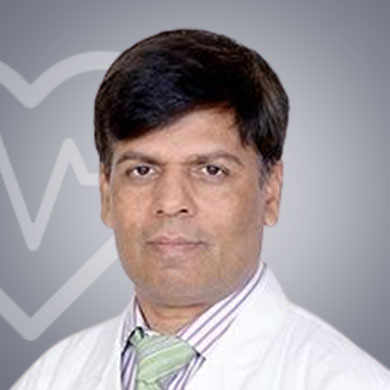
Dr. Nityanand Tripathi
Interventional Cardiologist
29 Years of Experience
With a rich experience of more than 29 years, Dr. Nityanand has gained a vast spectrum of skills and expertise in performing all types of complex cardiac procedures. He is an expert in clinical & interventional cardiology and electrophysiology. He studied his medicine (MBBS) and MD from the Institute of Medical Sciences of Banaras Hindu University, Varanasi, and later completed his DM in Cardiology from the prestigious King George Medical University, Lucknow. View More
Last Reviewed - January 2026