Triple Vessel Disease Treatment in India
- Top Accredited Hospitals
- Global Medical Standards
- Cutting-Edge Technology
- Proven Treatment Options
- High Success Rate
- Trusted by Millions

What is a Triple Vessel Disease?
Triple Vessel Disease refers to significant coronary artery disease involving the three major coronary territories, commonly the left anterior descending, left circumflex, and right coronary arteries. It usually develops from atherosclerotic plaque buildup and may reduce blood supply to the heart. Treatment depends on the extent and location of blockages, symptoms, heart function, and overall health.
What is the Importance of Timely Treatment?
Timely treatment can improve blood flow to the heart, control symptoms, reduce the risk of heart attack and heart failure, and help prevent further cardiovascular complications. Early assessment also helps determine whether medical therapy, angioplasty and stenting, or coronary artery bypass grafting (CABG) is most appropriate.
What are the Common Symptoms of Triple Vessel Disease?
- Chest Pain or Discomfort: Pressure, tightness, heaviness, or squeezing in the chest, particularly during physical activity.
- Shortness of Breath: Reduced blood flow to the heart may cause breathlessness during exertion.
- Fatigue: Reduced cardiac efficiency may cause unusual tiredness or decreased exercise tolerance.
- Pain in Other Areas: Discomfort may spread to the arm, shoulder, neck, jaw, back, or upper abdomen.
- Palpitations: Some patients may experience a racing, pounding, or irregular heartbeat.
- Dizziness or Sweating: Lightheadedness, cold sweating, nausea, or weakness may occur, particularly during an acute coronary event.
Causes and Risk Factors of Triple Vessel Disease
Causes
- Atherosclerosis: Plaque buildup within the coronary arteries is the most common cause.
- High LDL Cholesterol: Excess LDL cholesterol contributes to plaque formation.
- High Blood Pressure: Long-term hypertension can damage artery walls and accelerate atherosclerosis.
- Diabetes: Persistently elevated blood glucose can increase vascular damage and plaque formation.
- Smoking: Tobacco exposure damages blood vessels and increases cardiovascular risk.
Risk Factors
- Increasing age
- High blood pressure
- High LDL cholesterol
- Diabetes
- Smoking or tobacco use
- Obesity
- Physical inactivity
- Unhealthy diet
- Family history of premature coronary artery disease
- Chronic kidney disease
Latest Research and Technologies in the Treatment of Triple Vessel Disease in India
- Recent advances include CT coronary angiography, fractional flow reserve (FFR), intravascular ultrasound (IVUS), and optical coherence tomography (OCT) for detailed assessment of coronary anatomy and blood flow. Modern treatment uses personalised risk assessment, intensive medical therapy, advanced drug-eluting stents, and improved PCI techniques. For patients with complex multivessel disease, coronary artery bypass grafting (CABG) remains an important treatment option, with advanced surgical planning and minimally invasive approaches available in selected centres.
Treatment options for Triple Vessel Disease
Coronary Artery Bypass Grafting (CABG) : According to global guidelines (ACC/AHA and ESC), CABG is the gold-standard, first-line revascularisation choice for Triple Vessel Disease.
Cost Start From 3850Explore Options
Angioplasty and Stenting: Percutaneous Coronary Intervention (PCI) can be considered an alternative to surgery for 3VD if the coronary anatomy is less complex (low SYNTAX score) or if the patient is at high surgical risk.
Hybrid or Minimally Invasive Procedures: This involves an advanced combination approach (e.g., a minimally invasive surgical LIMA-to-LAD graft combined with catheter-based PCI stenting for the other two vessels) managed by a Heart Team.
- Clinical assessment:
- Medical History: Assessment of chest pain, breathlessness, exercise tolerance, cardiovascular risk factors, previous heart disease, and family history.
- Physical Examination: Evaluation of blood pressure, heart rate, weight, and other cardiovascular findings.
- Electrocardiogram (ECG): Assesses heart rhythm and may identify evidence of ischemia or previous heart damage.
- Blood Tests: Lipid profile, glucose, HbA1c, kidney function, and cardiac biomarkers when clinically indicated.
- Stress Testing: Exercise or pharmacological stress testing may assess myocardial blood supply and exercise-related symptoms.
- Imaging Tests:
- Coronary Angiography: The primary invasive test for defining the location and severity of coronary blockages and planning revascularisation.
- CT Coronary Angiography: Provides detailed images of coronary anatomy and may be useful in selected patients.
- Echocardiography: Evaluates heart structure, pumping function, and regional wall motion.
- Cardiac MRI: Provides detailed assessment of heart function, myocardial viability, and scarring in selected patients.
- Nuclear Cardiac Imaging: May assess myocardial perfusion and identify areas with reduced blood flow.
- IVUS: Provides detailed images of coronary arteries from inside the vessel during selected interventions.
- OCT: Provides high-resolution images of coronary plaques and stents during selected procedures.
- FFR/iFR: Physiological measurements can help determine whether specific coronary narrowings significantly affect blood flow.
MediRehab (a chain of Rehab centres, part of MediGence) provides comprehensive rehabilitation services designed to support Triple Vessel Disease patients in India. These services include:
- Cardiac Rehabilitation: Structured rehabilitation can support recovery and improve cardiovascular fitness.
- Gradual Physical Activity: Increase activity according to heart function, symptoms, and medical advice.
- Weight Management: Maintaining a healthy weight supports heart health.
- Medicines for triple vessel disease may include statins or other lipid-lowering therapies, antiplatelet medicines, beta-blockers, nitrates, blood-pressure medicines, and diabetes medications, depending on the patient's condition. Treatment is individualised according to symptoms, coronary anatomy, heart function, cardiovascular risk, and whether revascularisation has been performed.
Instantly Connect with our Specialists


Hospitals for Triple Vessel Disease in India

Manipal Hospital, Ghaziabad
Ghaziabad, India
Founded in 2010, Manipal Hospital-Ghaziabad (formerly Columbia Asia Hospital) is a well-known multispecialty hospital accredited by the National Accreditation Board for Hospitals and Healthcare Providers (NABH). With 100 beds, the hospital is committed to providing effective and reasonably priced healthcare in a clean and safe setting. The hospital has several departments that are known for their expertise, including Orthopaedics, Internal Medicine, Gastroenterology, Plastic Surgery, Obstetrics and Gynecology, ENT, and more. Due to this recognition, the hospital is now regarded as one of the best medical establishments in the Ghaziabad area.

Seven Hills Hospital
Mumbai, India
Seven Hills Hospital located in Mumbai, India is accredited by JCI, NABH, NABL. Also listed below are some of the most prominent infrastructural details:
- It is spread over an area of 17 acres.
- There is also an academic institute with research facilities.
- SevenHills Hospital has excellent diagnostic services including a laboratory and a provision for various tests.
- Given that their are specific departments for various kinds of diagnostsic. Tests like PET Scan, MRI, CT scan and biopsies are completed regularly.
- Biochemistry, Hematology, Microbiology are some of the important diagnostic departments.
- Endoscopies as well as non-invasive procedures are done through their respective departments.
- Day care specialty services are available for those kinds of requirements.
- Health Check up packages are also present as are the collaborations with many insurance organisations.
- There are professionally managed in-patient and out-patient facilities.
- There are more than 30 super specialties in Seven Hills Hospital Mumbai.
- There are also Centres of Excellence in Cardiac Care, Neurosciences, Bone & Joint Care, Cancer Care, Nephrology and Cosmetic Dermatology.
- International patient care services are also implemented for the best assistance to overseas patients.
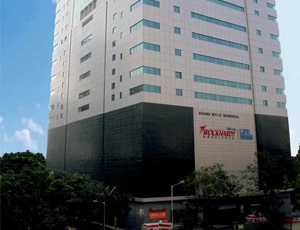
Wockhardt Hospital - A new Age Hospital
Mumbai, India
Wockhardt Hospital - A New Age Hospital located in Mumbai, India is accredited by NABH. Also listed below are some of the most prominent infrastructural details:
- 20-storeyed building at Mumbai Central (South Mumbai)
- Capacity of 350-beds
- Two highly-advanced cath labs with ultra-modern technologies to perform high risk coronary procedures and neurological surgeries
- 8 Operation Theatres- Cardiac, Joint Replacement, Neurology, Oncology, MAS and Organ Transplantation
- 100 beds dedicated to Critical Care, which are connected to IntelliSpace Critical Care & Anaesthesia (ICCA) system
- Largest Paediatric Cardiac Unit
- It has the largest Intelligent ICCA System
- Possess Hi-tech GPS-enabled Ambulances and largest state-of-the-art Accident & Emergency unit in South Mumbai
- As far as accommodation facility is considered, the Hospital makes it easily accessible for the patients in nearby hotels/lodges
Our Services to better your experience
Opinion & Option
We submit the most accurate opinion and options from one or more countries for your review
Consult Privately
Consult with a certified specialist privately on our telemedicine platform even before you decide to travel
Logistics
We handle flights, visas, transfers, and accommodation—so you can focus on your health.
Recovery
Our In-house rehabilitation service packages to better your recovery and treatment outcome
Why Choose India for Triple Vessel Disease Treatment?
- Experienced Cardiac Specialists: Access to cardiologists, interventional cardiologists, and cardiac surgeons experienced in complex coronary disease.
- Advanced Coronary Diagnostics: Major cardiac centres may offer coronary angiography, CT coronary angiography, IVUS, OCT, FFR, and advanced cardiac imaging.
- Modern Interventional Cardiology: Eligible patients may have access to advanced PCI techniques and contemporary drug-eluting stents.
- Advanced Cardiac Surgery: Specialised centres provide CABG and selected minimally invasive or hybrid surgical approaches.
- Multidisciplinary Care: Cardiologists, cardiac surgeons, anaesthesiologists, critical-care specialists, and rehabilitation teams can collaborate for complex cases.
- Personalised Treatment Planning: Revascularisation decisions can consider coronary anatomy, symptoms, heart function, diabetes, kidney function, and overall surgical risk.
- Comprehensive Rehabilitation: Cardiac rehabilitation and long-term risk-factor management can support recovery.
- International Patient Support: Many major Indian hospitals assist international patients with appointments, treatment coordination, accommodation, and follow-up.