Triple-Negative Breast Cancer (TNBC) Treatment in Thailand
- Top Accredited Hospitals
- Global Medical Standards
- Cutting-Edge Technology
- Proven Treatment Options
- High Success Rate
- Trusted by Millions

What is Triple-Negative Breast Cancer (TNBC)?
About 10–15% of all instances of breast cancer are triple-negative breast cancer (TNBC), an uncommon yet aggressive and rapidly spreading cancer that lacks three typical receptors found in most breast cancers: estrogen receptors (ER), progesterone receptors (PR), and the HER2 protein. Globally, TNBC is the most common cause of death for females and the most aggressive type of metastatic cancer.
What is the Importance of Timely Treatment?
Timely treatment of Triple-negative breast Cancer is crucial for many possible reasons :
- Preventing Spread- Early detection can stop TNBC from spreading to other body sites, including lymph nodes, particularly those in the underarms. Due to its aggressive nature, Early efforts to limit its spread boost the chances of a successful course of treatment.
- Improving Survival- Women with TNBC tend to have a worse outcome than women with other common types of breast cancer due to its aggressiveness; the survival rates for TNBC are generally not as high as they are for different types of breast cancer. For better outcomes, early intervention can significantly increase long-term survival.
- Reducing Complications- Early treatment reduces the risk of complications, such as spreading complications to other organs through lymph nodes or the bloodstream, also called metastasis, and the need for more aggressive treatments.
- Preserving Quality of Life - Less invasive techniques and improving surgical outcomes are frequently used in early treatment, enhancing quality of life and speeding up recovery.
- Psychological Benefits- Early diagnosis and treatment can reduce stress and anxiety linked with the uncertainty of untreated cancer.
What are the Common Symptoms of Triple-Negative Breast Cancer (TNBC)?
- Any inexplicable change in the breast's size or form, such as swelling or shrinking (mainly if it only affects one side).
- Dimpling or puckering in the breast's skin gives it an orange-peel appearance.
- Breast or nipple pain
- Nipple retraction
- Nipple discharge
- Swollen lymph nodes
- Scaly, red, or swollen skin on the breast, nipple, or areola
Causes and Risk Factors of Triple-Negative Breast Cancer (TNBC)
Traditional risk factors for all types of breast cancer, including lifestyle and environmental factors, also apply to triple-negative breast cancer. The exact causes of TNBC are not fully recognised, but several factors are involved in its development:
Causes
- Genetic Mutations: Mutations in BRCA1 and BRCA2 genes are primarily associated with TNBC.
- Hormonal Factors: TNBC does not react to hormonal treatments because it lacks HER2, progesterone, and estrogen receptors.
Risk Factors
- Age - It tends to occur in younger women under age 40.
- Gender- Women are at higher risk of TNBC than men and black women appear to develop TNBC more than white women.
- Genetics also increases the risk factor of TNBC if there is any family history of breast cancer, especially with BRCA1 or BRCA2 mutations.
- TNBC is more common in Premenopausal women.
- Obesity
- Alcohol Consumption
Connect with our advisor for a PRIORITY response
Latest Research and Technologies in the Treatment of Triple-Negative Breast Cancer (TNBC) in Thailand
- Immunohistochemistry-Based Molecular Subtyping
To improve prognosis and treatment approaches, Thai researchers created an improved TNBC subtyping technique utilising immunohistochemical markers. - Targeted Therapy for TNBC: Plumbagin (As a natural Inhibitor)
In TNBC cells, plumbagin from Plumbago indica suppresses STAT3 signalling, which lowers proliferation and migration and may increase the efficacy of chemotherapy. - Radiolabeled Nanoparticles
Iodine-131 nanoparticles have the potential to be a therapy breakthrough by precisely targeting aggressive TNBC. - Novel Thai Herbal Compound
They Research on plant active compounds having anticancer effects on TNBC cells, Promising for non-toxic alternatives to chemotherapy.
Triple-Negative Breast Cancer (TNBC) Prevention Tips
Triple-negative breast cancer (TNBC) cannot be prevented, although there are lifestyle behaviours that can lower the risk. Here are some tips-
- Maintain a balanced diet rich in fibres that include fruits, vegetables, whole grains, and lean proteins; certain foods are associated with reducing breast cancer risk, for example, broccoli, kale, plant active compounds like EGCG(green tea) and berberine consumption are associated with anticancer properties. Avoid alcohol consumption as it increases the risk of breast cancer in women.
- Lifestyle modifications should be made by staying physically active to maintain a healthy weight. Being overweight or obese increases the risk of breast cancer in women.
- Quit smoking
- Visit your healthcare professionals for routine checkups and routine procedures like mammograms and breast examinations to detect any early abnormalities.
- Limit Hormone replacement therapies and use them over a short period that too, under the medical guidance of healthcare professionals.
- Recognise early breast cancer symptoms like severe nipple retraction and unusual inflammation like swelling, itching, and breast enlargement, and seek medical attention if needed.
- Genetic counselling to assess the risk factors and preventive measures are required if there is any family history of breast cancer.
Treatment options for Triple-Negative Breast Cancer (TNBC)
Medical professionals and researchers are still looking at novel approaches to treating TNBC. Recent clinical studies evaluate novel drug combinations and new approaches to current therapies. The following are a few current treatments:
Chemotherapy: Healthcare providers might combine chemotherapy and surgery to treat early-stage triple-negative breast cancer. Which might be given before the surgery to shrink the tumour size and also post-surgery to kill any remaining cancer cells and reduce the risk of recurrence.
Cost Start From USD 1000 - USD 6800Explore Options
Immunotherapy: Healthcare Providers may combine immunotherapy and chemotherapy to shrink the size of tumors before surgery.
Cost Start From USD 3000 - USD 13578Explore Options
Targeted Therapy: Treatments that target malignant cells may be combined with immunotherapy and chemotherapy. For instance, doctors might employ PARP inhibitors as a targeted therapy. Poly ADP ribose polymerase, or PARP for short, is a cellular enzyme that fixes damage to DNA.
Cost Start From USD 3500Explore Options
Lumpectomy: It is the removal of a small margin of the surrounding tissue of the breast. It is also known as breast-conserving surgery. A lumpectomy may be followed by radiation treatments to treat any residual cancer cells.
Mastectomy: It is the removal of the entire breast. Mastectomy is a treatment for patients with multiple, very aggressive, or large invasive ductal tumours in most advanced cases.
Cost Start From USD 6000 - USD 15000Explore Options
Clinical Evaluation
- Medical History: Assemble information about symptoms, medical history and risk factors involved.
- Physical Examination: Check for indications of breast swelling, redness and changes in shape, size and colour of the breast skin.
Imaging Studies
- Mammogram
- Magnetic Resonance Imaging (MRI)
- Ultrasound
Biopsy
- Core needle Biopsy
- Surgical Biopsy
- Fine Needle Aspiration
Laboratory Tests
- Immunohistochemistry (IHC)- This test detects the presence of estrogen receptors (ER), progesterone receptors (PR), and HER2 protein to validate the diagnosis of TNBC.
- Genetic Testing- Finds genetic alterations linked to an increased risk of TNBC, including those in the BRCA1 and BRCA2 genes.
MediRehab (a chain of Rehab centres, part of MediGence) provides comprehensive rehabilitation services to support patients through Teleconsulations and online therapy sessions.
- Physical Rehab: Encouraging light-moderate exercises like Scar tissue mobilisation therapy to improve patients' strength and mobility if surgery was involved. Similarly, Range of motion exercises can help prevent deep vein thrombosis (DVT). Lymphatic drainage exercises promote lymphatic fluid flow away from the affected area. Our graded exercise programs allow patients to lead a dignified lifestyle.
- Lifestyle changes and modification: Dietary adjustments with high-fibre foods, lean proteins, and tailored meal plans help manage symptoms and ensure proper nutrition. Avoiding alcohol and managing stress through lifestyle changes improve overall health. Yoga and meditation further enhance mental well-being and stress reduction.
- Monitoring and follow-up: Schedule regular follow-up appointments with the oncologist to address complications, monitor recovery, and detect any signs of recurrence.
Depending on the circumstances, your doctor might recommend medication to help manage your symptoms and complement the course of treatment.
Instantly Connect with our Specialists


Hospitals for Triple-Negative Breast Cancer (TNBC) in Thailand
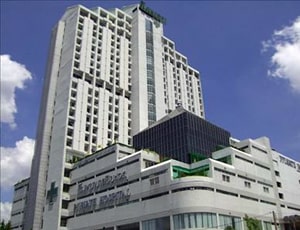
Piyavate Hospital
Bangkok, Thailand
Piyavate Hospital located in Bangkok, Thailand is accredited by JCI. Also listed below are some of the most prominent infrastructural details:
Medicine Centre: Piyavate Hospital provides advanced holistic treatment for their patients. They offer a complete range of services and physicians that specialize in various fields like the endocrine system, the nervous system, kidney function, cardiovascular care, respiratory and digestive system. They pride themselves for the familial care that they provide to their patients.
Fertility and In-Vitro Fertilization Centre: Helping the couples who walk into the Piyavate Hospital to achieve their dream of having a family. They have a medical team that specializes in male and female fertility. They offer consultation services, fertility check-up for both men and women and complete IVF services. They have advanced IVF cycle treatment facilities that offer a high rate of success.
Bone and Joint Institute: Piyavate Hospital houses one of the frontrunners in Orthopaedic health care in all of SouthEast Asia. They offer a wide range of services and surgeries in their bone and joint institute that include hand surgery, hip and knee replacement surgery, spinal cord surgery, upper extremity surgery, arthroscopic surgery and sports medicine.
Eye and Lasik Centre: Piyavate Hospital is fully equipped with the latest and most advanced technology for eye care and houses highly skilled ophthalmologists, sub-specialists and qualified nurses.
Physical Therapy and Rehabilitation Centre: One of the first hospitals to be equipped with the Hybrid Assistive Limb technology that will help a neurologically challenged patient to control the rehabilitation robot limb with a signal from their brain. The Physical Therapy and Rehabilitation Centre at Piyavate Hospital uses this system encourage patients to regain muscle memory to walk and function normally.
Amenities for Patient’s Family:
Piyavate Hospital also offers additional apartment facilities to house the kin of the patients who come to visit them from distant places. A restaurant, a flower shop and a café are a few of the other amenities provided by the hospital.
These are the most popular services offered by the Piyavate Hospital in Bangkok, Thailand. They also provide a plethora of other medical services that are listed below:
Diabetic Foot Centre
Check-up centre
Urology Centre
Heart Institute
Paediatric Centre
Obstetrics and Gynaecology Centre
Surgery Centre
Ear Nose Throat Centre
Haemodialysis Centre
Dental Centre
X-Ray Centre
Gastroenterology Centre
Cancer Centre
Neonatal Intensive Care Unit (NICU)
Emergency Services and Centre
Tele-medicine

Phyathai 2 International Hospital
Bangkok, Thailand
Phyathai 2 International Hospital located in Bangkok, Thailand is accredited by JCI. Also listed below are some of the most prominent infrastructural details:
- Fully equipped rooms are available for convenience of the patients- Gold B Room, Gold A Room, Pediatric Gold A, Platinum room, and Prestige ward
- Nearby accommodations are also available- Abloom Service Apartments, Bangkok Patio, VIB Best Western Sanam Pao, VIC3 Hotel
- Operating room
- International Patient Medical Center to assist overseas patients

Asia clinic thonglor
Bangkok, Thailand
- A wide range of services in cosmetic surgery, skincare, wellness, and weight control.
- Experienced doctors and specialists with medical licenses and expert training.
- Use of trusted, approved products and techniques that meet global safety standards.
- Non-surgical beauty options include facial lifting, wrinkle care, and skin treatments.
- Health screening packages that check for hormones, allergies, and early signs of disease.
- Private recovery rooms are designed for comfort and relaxation after treatments.
- Additional conveniences include a café, free Wi-Fi, and clean, modern surroundings.
- Friendly staff who speak Thai, English, and Turkish for easier communication.
- A central location inside Marché Thonglor, a well-known health and lifestyle complex.
- Services for adults only, with about 1,500 people visiting each year.
Our Services to better your experience
Opinion & Option
We submit the most accurate opinion and options from one or more countries for your review
Consult Privately
Consult with a certified specialist privately on our telemedicine platform even before you decide to travel
Logistics
We handle flights, visas, transfers, and accommodation—so you can focus on your health.
Recovery
Our In-house rehabilitation service packages to better your recovery and treatment outcome
Why Choose Thailand for Triple-Negative Breast Cancer (TNBC) Treatment?
- Advanced Medical Centers: Thailand’s modern hospitals and medical facilities have the newest technologies to spot and treat TNBC. It provides state-of-the-art TNBC treatment using precision nuclear medicine, immunotherapy, targeted therapy, and tailored molecular subtyping for better results.
- Cost-Effective Treatment: Compared to Western countries, excellent care is offered cheaply without compromising the quality.
- Fast & Efficient Cancer Treatment Services: Thailand guarantees same-day imaging, individualised planning, prompt TNBC therapy with short wait periods, and committed international patient support.
- Comprehensive Care & Holistic Approach: Thailand offers complete post-treatment rehabilitation, including luxury health retreats, nutrition-based recuperation, physical therapy, and herbal therapy.
Frequently Asked Questions
Thailand has a 3-year survival rate of about 85% for triple-negative breast cancer (TNBC) in its early stages and 21% for metastatic TNBC.
Compared to other forms of breast cancer, triple-negative breast cancer (TNBC) is noticeably more aggressive. It has fewer therapeutic options, grows and spreads more quickly, and frequently has a worse prognosis. Because TNBC does not have estrogen, progesterone, or HER2 receptors like other breast tumors do, it cannot be treated with hormonal medicines or targeted therapy. This aggressive nature emphasizes how crucial early detection and timely treatment are.
When compared to other forms of breast cancer, triple-negative breast cancer typically grows and spreads more quickly. According to research, TNBC tumors have the potential to grow by 1% daily. In contrast, the daily growth rate of breast tumors that are HER2-positive is 0.859%.
The adverse effects vary from therapy to treatment. Furthermore, how each person responds to these side effects may vary. Inquire about the adverse impact of a particular therapy from your doctor. They will outline how they will assist you in managing them as well as what you may do to benefit yourself.
Recent advancements in the discovery of novel therapies, including as immunotherapy and PARP inhibitors, have improved the prognosis for TNBC. Existing treatments are being used in novel ways by medical researchers. The prognosis for triple-negative breast cancer is better the earlier medical professionals identify it, as is the case with most cancers.
The stage at which triple-negative breast cancer (TNBC) is diagnosed affects the survival rate. About 91% of people with localised TNBC, 66% of people with regional TNBC, and 12% of people with distant TNBC will survive for five years. All stages together have a 5-year survival rate of about 77%2. Improving outcomes requires early detection and timely treatment.
Yes, triple-negative breast cancer (TNBC) can cause irreparable harm, particularly if the disease is not identified and treated quickly. TNBC is an aggressive type of breast cancer that can cause more serious and reversible harm by swiftly spreading to lymph nodes and other body parts. In order to avoid irreparable harm and increase the likelihood of positive results, early detection and timely treatment are essential.
Surgery-specific recovery times in Thailand range from 1 to 2 weeks for lumpectomies to 4 to 8 weeks for mastectomy, which includes hospital stays, drain removal, and activity limitations.
Thailand has top-notch, JCI-accredited facilities, skilled oncologists, reasonably priced IBC care, and all-inclusive medical tourism assistance.
Choose a board-certified oncologist specialisation in breast cancer or a medical oncologist with top hospital affiliation, expertise in specific cancer types, and international training.
Yes, top oncology experts at prestigious hospitals are available to provide you with a second opinion regarding Triple-Negative Breast Cancer (TNBC) therapy in Thailand. Make an appointment for a consultation with hospital oncology departments and submit medical records for evaluation.

Reviewer

Dr. Mohit Agarwal
Medical Oncologist
14 Years of Experience
One of the finest Oncologist in New Delhi, India, Dr. Mohit Agarwal has worked with several world class multidisciplinary hospitals over the years. Dr. Mohit Agarwal has over 14+ years of experience in his field. The doctor treats and manages a wide range of conditions such as Stomach Cancer, Rectal Cancer, Breast Cancer, Brain Cancer View More
Last Reviewed - January 2026