Tricuspid Atresia Treatment in Malaysia
- Top Accredited Hospitals
- Global Medical Standards
- Cutting-Edge Technology
- Proven Treatment Options
- High Success Rate
- Trusted by Millions

What is a Tricuspid Atresia?
Tricuspid Atresia is a congenital heart defect in which the tricuspid valve does not form, preventing normal blood flow from the right atrium to the right ventricle. The right ventricle is often underdeveloped, and babies usually have an opening between the atria, such as an atrial septal defect, to allow blood to reach the left side of the heart. Other defects, including a ventricular septal defect or patent ductus arteriosus, may also help maintain blood flow to the lungs; symptoms and treatment depend on the amount of pulmonary blood flow and associated heart abnormalities.
What is the Importance of Timely Treatment?
Timely diagnosis and treatment are essential because tricuspid atresia can cause low oxygen levels, inadequate blood flow to the lungs, or excessive pulmonary blood flow that may damage the lung blood vessels. Early treatment helps support oxygen delivery, maintain appropriate blood flow, and reduce the risk of serious complications. Lifelong follow-up with a congenital heart specialist is necessary because complications may develop even after successful surgical treatment.
What are the Common Symptoms of Tricuspid Atresia?
- Cyanosis: Bluish or greyish skin, lips, or nails may appear soon after birth because of low blood oxygen levels.
- Breathing Difficulties: Rapid or difficult breathing may occur when the baby receives inadequate oxygen or has associated heart problems.
- Poor Feeding: Babies may have difficulty feeding, tire easily during feeds, or take longer to feed.
- Weak Pulse: Reduced oxygen delivery and impaired circulation may contribute to weak pulses.
- Rapid Heartbeat: A fast heartbeat may occur as the heart attempts to maintain adequate circulation.
- Poor Weight Gain: Babies with significant congenital heart disease may have difficulty gaining weight and growing normally.
Causes and Risk Factors of Tricuspid Atresia
Causes
- Tricuspid atresia develops during fetal heart formation when the tricuspid valve does not form normally.
- The exact cause is usually unknown. Genetic factors and interactions between inherited susceptibility and environmental influences may contribute to some congenital heart defects.
- Tricuspid atresia may occur alone or alongside other structural abnormalities of the heart.
Risk Factors
- A family history of congenital heart disease.
- Certain genetic or chromosomal conditions.
- Maternal diabetes or other health conditions during pregnancy.
- Certain environmental exposures or medication-related factors during pregnancy.
Latest Research and Technologies in the Treatment of Tricuspid Atresia in Malaysia
Recent advances in treating tricuspid atresia in Malaysia include improved fetal and postnatal echocardiography, specialised paediatric cardiac intensive care, and staged surgical procedures tailored to the child's heart anatomy. Treatment may involve an initial shunt or other procedure to manage blood flow, followed by the bidirectional Glenn procedure and Fontan operation to improve circulation in children with single-ventricle physiology. Long-term monitoring helps detect complications such as abnormal heart rhythms, reduced heart function, or problems with the Fontan circulation. The treatment plan depends on the child's anatomy, oxygen levels, and overall condition.
Treatment options for Tricuspid Atresia
Ductal Stenting: In selected babies, a stent may be placed in the ductus arteriosus to maintain pulmonary blood flow and reduce the need for an early surgical shunt.
Systemic-to-Pulmonary Artery Shunt: A surgeon may create a shunt to increase blood flow to the lungs when the baby's anatomy requires more pulmonary blood flow.
Balloon Atrial Septostomy (BAS) : A cardiologist performs a BAS (also known as a Rashkind procedure). They insert a thin, flexible tube called a catheter into a blood vessel, usually in the groin, and thread it up to the heart.
Cost Start From 6500Explore Options
Pulmonary Artery Banding: If too much blood reaches the lungs, doctors may use pulmonary artery banding in selected patients to control pulmonary blood flow and protect the pulmonary circulation.
Bidirectional Glenn Operation : In this staged procedure, the superior vena cava is connected directly to the pulmonary arteries, allowing blood from the upper body to flow to the lungs without passing through the right ventricle.
Fontan Procedure : The final major stage of palliation connects venous blood from the lower body to the pulmonary arteries, allowing blood to reach the lungs without ventricular pumping. Selected patients may undergo a fenestration.
Heart Transplantation : Rarely, transplantation may be considered when the heart becomes severely weakened, the Fontan circulation fails, and other treatments are unsuitable.
- Clinical assessment:
- Prenatal assessment: Routine pregnancy ultrasound may identify a suspected heart abnormality. Fetal echocardiography provides a more detailed assessment of the heart's chambers, valves, blood vessels, and blood flow.
- Medical and birth history: Doctors review pregnancy history, delivery details, feeding difficulties, breathing patterns, cyanosis, and any associated congenital conditions.
- Physical examination: Assessment includes skin colour, breathing, heart sounds, pulses, oxygen saturation, and signs of poor circulation.
- Electrocardiogram (ECG): Evaluates the heart's electrical activity and may identify rhythm abnormalities.
- Blood tests: Blood gases, blood counts, glucose, electrolytes, and other investigations may be performed to assess the baby's condition and guide stabilisation.
- Imaging Tests:
- Fetal echocardiography: Helps identify tricuspid atresia before birth and supports delivery and treatment planning.
- Transthoracic echocardiography: The main postnatal imaging test used to confirm the diagnosis and assess ventricular size, associated defects, valve anatomy, and pulmonary blood flow.
- Chest X-ray: May show heart size and pulmonary blood flow.
- Cardiac CT: May be used in selected cases to provide detailed anatomical information about blood vessels and associated abnormalities.
- Cardiac MRI: Can assess heart structure, ventricular function, blood flow, and other features during selected follow-up evaluations.
- Cardiac catheterisation: Measures pressures and oxygen levels in the heart and blood vessels and may also be used to perform interventions.
MediRehab (a chain of Rehab centres, part of MediGence) provides comprehensive tele-rehabilitation services designed to support Tricuspid Atresia patients in Malaysia. These services include:
- Cardiac Rehabilitation: Selected children and adults may benefit from structured rehabilitation according to cardiac function and treatment history.
- Gradual Physical Activity: Increase activity according to oxygen levels, ventricular function, symptoms, rhythm status, and congenital heart specialist advice.
- Paediatric Developmental Support: Children with complex congenital heart disease may require developmental assessment and early supportive interventions.
- Occupational Therapy: Selected children may benefit from support with age-appropriate functional activities and independence.
- Exercise Assessment: Older children and adults may undergo exercise testing to guide safe physical activity.
- Long-Term Congenital Heart Follow-Up: Regular specialist assessments help monitor ventricular function, oxygen levels, rhythm, Fontan circulation, liver health, exercise capacity, and other potential complications.
- Medicines for tricuspid atresia depend on the patient's circulation, oxygen levels, ventricular function, and stage of treatment. Other medicines, including diuretics or medications that support heart function, may be prescribed as needed. After surgery, selected patients may require medicines to manage heart rhythm, fluid retention, or the risk of blood clots.
Instantly Connect with our Specialists


Hospitals for Tricuspid Atresia in Malaysia
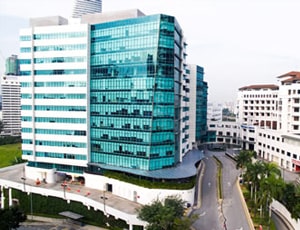
Parkway Pantai
Kuala Lumpur, Malaysia
Parkway Pantai located in Kuala Lumpur, Malaysia is accredited by JCI. Also listed below are some of the most prominent infrastructural details:
- Capacity of 335 beds
- 200+ specialist Doctors
- Critical Care Unit
- Neonatal Intensive Care Unit
- Operating Theatre
- International Patient Care Center
- Types of rooms available- Premier Suite, Supreme Suite, Deluxe Single Room, 2-bedded room, 4-bedded room, Deluxe Suite, Premier Single room, and Supreme Single room

Sunway Medical Centre
Kuala Lumpur, Malaysia
Sunway Medical Centre has initiated a comprehensive expansion plan close to its current hospital facility to enhance its ability to provide services to the global market. The new Cancer Radiosurgery Center and Nuclear Medicine Center, which will also house additional Centers of Excellence like the Digestive Health Center and Dialysis Center, marked the completion of Tower C's first phase in October 2016.

Prince Court Medical Centre
Kuala Lumpur, Malaysia
Prince Court is a private medical facility in the center of Kuala Lumpur that has 277 individual beds. Our dedication is to provide you with the best treatment possible from the time you arrive until you depart, healthier and happier. We are well-known for our top-notch facilities, cutting-edge technology, and friendly customer service.
Our Services to better your experience
Opinion & Option
We submit the most accurate opinion and options from one or more countries for your review
Consult Privately
Consult with a certified specialist privately on our telemedicine platform even before you decide to travel
Logistics
We handle flights, visas, transfers, and accommodation—so you can focus on your health.
Recovery
Our In-house rehabilitation service packages to better your recovery and treatment outcome
Why Choose Malaysia for Tricuspid Atresia Treatment?
- Experienced Paediatric Cardiac Specialists: Access to paediatric cardiologists, congenital heart surgeons, cardiac intensivists, and specialists experienced in complex congenital heart disease.
- Advanced Newborn Cardiac Care: Specialised centres may provide neonatal intensive care, continuous monitoring, respiratory support, and urgent cardiovascular stabilisation.
- Advanced Echocardiography: Fetal and postnatal echocardiography can support early diagnosis and treatment planning.
- Cardiac Catheterisation Facilities: Eligible patients may have access to ductal stenting, diagnostic catheterisation, and other catheter-based procedures.
- Staged Congenital Heart Surgery: Specialized centers can perform systemic-to-pulmonary shunts, Glenn procedures, Fontan procedures, and surgery for associated defects.
- Multidisciplinary Heart Teams: Paediatric cardiologists, cardiac surgeons, intensivists, anaesthesiologists, imaging specialists, nurses, nutritionists, and rehabilitation professionals can coordinate complex care.
- Long-Term Congenital Heart Follow-Up: Specialist programs can monitor patients from childhood into adulthood for Fontan-related complications, arrhythmias, ventricular function, and exercise capacity.
- International Patient Support: Many major Malaysia hospitals assist international patients with medical records, appointments, treatment coordination, accommodation, and follow-up.
Frequently Asked Questions

Reviewer

Dr. Nityanand Tripathi
Interventional Cardiologist
29 Years of Experience
With a rich experience of more than 29 years, Dr. Nityanand has gained a vast spectrum of skills and expertise in performing all types of complex cardiac procedures. He is an expert in clinical & interventional cardiology and electrophysiology. He studied his medicine (MBBS) and MD from the Institute of Medical Sciences of Banaras Hindu University, Varanasi, and later completed his DM in Cardiology from the prestigious King George Medical University, Lucknow. View More
Last Reviewed - January 2026