Thalassemia Treatment in India
- Top Accredited Hospitals
- Global Medical Standards
- Cutting-Edge Technology
- Proven Treatment Options
- High Success Rate
- Trusted by Millions

What is Thalassemia?
Thalassemia is a type of genetic blood disorder in which the patients are not able to produce sufficient haemoglobin, resulting in red blood cells not being capable of carrying oxygen from one part of the body to another. This very condition eventually results in a process known as anemia, that is, the condition in which there is no production of any healthy red blood cells in the body.
What is the Importance of Timely Treatment?
- Avoiding Organ Damage: Iron overload following repeated blood transfusion damages organs such as the heart, liver, and endocrine glands. Iron chelation therapy is vital because it removes excess iron from the body and prevents organ damage. It also helps avoid a particular organ's failure because of timely intervention.
- Better Growth and Development Among Children: Sometimes, children suffering from thalassemia, especially severe, undergo growth retardation and bone deformities. Early diagnosis and treatment of thalassemia ensure providing nutritional support and bone health for better growth and development.
- Prevention of Complications: A delay in treatment increases the risk of such complications severely, for example, heart disease, liver disease, and abnormality of bones. Lack of timely and regular treatment can significantly contribute to these risks and the quality of life.
- Better Quality of Life: Early initiation of treatment would enable a patient to manage quite a large portion of the symptoms and, hence, lead a more normal life. Blood transfusions, medications, and regular follow-ups could then diminish the ill effects of the disease and allow such an individual to live a busy life.
What are the Common Symptoms of Thalassemia?
- Fatigue and Weakness
- Paleness (Pallor)
- Delayed Growth and Development
- Bone Deformities
- Enlarged Organs
- Frequent Infections
- Jaundice
Causes and Risk Factors of Thalassemia
Causes
- Genetic Mutations
- Inheritance Pattern
Risk Factors:
- Family History
- Ethnic Background
- Being a Carrier (Thalassemia Trait)
- Age of Parents
- Previous Children with Thalassemia
Connect with our advisor for a PRIORITY response
Latest Research and Technologies in the Treatment of Thalassemia in India
The medical treatment of Thalassemia in India adapts the newest research and technologies to meet worldwide clinical standards and healthcare capabilities.
- Gene Therapy: Advances in gene therapy using CRISPR-Cas9 technology present a viable way for thalassemia patients needing correction of genetic defects to provide long-lasting cures. Presently, specific clinical trials in India have exciting prospects.
- Stem Cell and Bone Marrow Transplant: Bone marrow transplants have been approved as effective treatment options for severe thalassemia due to improvements and advancements in stem cell techniques and post-transplant care in medical centres in India.
- Iron Chelation: Newer iron chelation therapies like Deferasirox and Deferiprone are of great value in dealing with iron overload, an almost universal complication in thalassemia patients receiving multiple blood transfusions.
- Non-Invasive Screening: There is an increase in genetic and newborn screening programs in India by which severe thalassemia can be diagnosed and prevented as early as possible for intervention, thus decreasing the chances of birth of affected children.
- Improved Care and Awareness: A focus on comprehensive cure centres exists, providing multidisciplinary support for thalassaemia patients. In addition, public campaigns raising awareness and genetic counselling work toward reducing the prevalence of the disease in high-risk populations.
Thalassemia Prevention Tips:
- Genetic Screening and Counseling: Couples intending to start a family, mainly if they belong to high-risk ethnic groups (Mediterranean, Middle Eastern, Asian, etc.), must undergo genetic screening to test for carrier status. Genetic counseling would guide families in the decision-making process concerning family planning.
- Early Diagnosis: Screening newborns and early blood tests can identify thalassemia traits or the significant forms of the disease at an early stage. Early diagnosis will allow for better management and prevention of severe complications.
- Avoiding Marriage Between Carriers: If both parents are carriers of the thalassemia gene, there is a 25% chance of having a child with a thalassemus major. Genetic counselling should be provided to couples with family histories or known carrier status before marriage or pregnancy.
- Prenatal Testing: For at-risk couples, prenatal testing such as chorionic villus sampling (CVS) or amniocentesis can determine if the fetus has inherited thalassemia from both parents. This allows for informed decision-making during the pregnancy.
Treatment options for Thalassemia
The medical treatment for Thalassemia requires evaluating the patient's severity and medical condition. The following are the treatment options:
Blood transfusions: Blood transfusions are the primary treatment for patients with thalassemia. They manage severe anaemia, supply healthy red blood cells, and help maintain adequate oxygen levels.
Iron chelation is the key treatment to rid the body of excess iron that may result from frequent blood transfusions; it is crucial. Chelation medications help remove excess iron from the body and prevent its toxic effects on the target organs.
Bone Marrow Transplant : In this procedure, the patient's defective bone marrow is replaced by healthy stem cells from a donor, usually a sibling or an unrelated donor with a matching tissue type.
Cost Start From USD 25000 - USD 35000Explore Options
These are the standard diagnostic methods for diagnosing Thalassemia:
- Blood Tests:
- Complete Blood Count (CBC): A CBC is typically one of the first steps considered in diagnosing thalassemia. This procedure indicates profiling various blood parameters such as the red blood cell counts, hemoglobin levels, and mean corpuscular volume (MCV).
- Hemoglobin Electrophoresis: One of the key tests for the abnormal types of hemoglobin. This test is also used in the kind of thalassemia, according to the level of different types of hemoglobin (HbA, HbA2, and HbF). For example, in beta-thalassemia, HbF and HbA2 would increase.
- High-performance liquid Chromatography (HPLC): This advanced separation technique identifies different types of hemoglobin. This will visualise the hemoglobin patterns employed in thalassemia diagnosis and distinct hemoglobinopathies.
- DNA Testing or PCR-Based Techniques: To detect the specific mutations that can cause thalassemia, this test efficiently confirms a carrier status diagnosis. This is very helpful in prenatal diagnosis and confirming the thalassemia type (alpha or beta).
- Iron studies: Since most thalassemia patients undergo repeated blood transfusions, they usually suffer from varying degrees of iron overload; therefore, an assessment of ferritin and transferrin saturation is essential to determine the extent of iron buildup and appropriate therapy for iron chelation.
- Prenatal Testing: For at-risk families, prenatal diagnostic tests such as amniocentesis and chorionic villus sampling (CVS) may be conducted to identify thalassemia in the fetus. Fetal DNA is subjected to analysis to determine whether or not the baby has inherited the disease.
MediRehab (chain of Rehab centres - part of MediGence provides comprehensive rehabilitation services designed to support patients in India. These services include:
- Physical therapy: Thalassemic patients, notably those with severe forms of the disease, may experience growth retardation, bone deformities, and muscular weakness. Hence, physical therapy helps improve mobility, strength, and bone health in children and relieves joint pain or stiffness, which are problems associated with iron overload or change in bone structure.
- Nutritional Management: Thalassemia patients maintain energy, growth, and well-being through a balanced diet, especially those enduring regular blood transfusions. Nutritional counseling can aid in iron overload avoidance (iron-rich foods increase iron accumulation) and ensure a proper intake of vitamins and minerals necessary for bone health and growth.
- Support/Psychosocial Counseling: Chronic ailments like thalassemia can at times, adversely impact the emotional well-being of the patients. Psychosocial rehabilitation helps the patients and their families handle the stress affiliated with ongoing treatments like recurrent blood transfusions and iron chelation. Counseling services can address mental health issues like anxiety, depression, and social isolation.
- Speech and language therapy: In cases where thalassemia leads to delayed growth or developmental issues, speech and language therapy can help children develop communication skills. This is especially relevant for those children whose cognitive or developmental abilities are compromised as a result of the disease.
Thalassemia therapies include blood transfusions, iron chelation therapy, folic acid supplementation, hormone replacement therapy, and supportive medications for bone marrow transplants. These medications work for the disease, to prevent complications, and to improve the patient's quality of life.
Instantly Connect with our Specialists


Hospitals for Thalassemia in India

Medanta - The Medicity
Gurgaon, India
Medanta – The Medicity, Gurugram, founded by renowned cardiac surgeon Dr. Naresh Trehan, is a leading multi-super speciality hospital offering advanced yet affordable healthcare. Spread across a 43-acre campus, it houses 1,391 beds, 270 ICU beds, 40 operation theatres, and 900+ doctors across 30+ specialities. Accredited by JCI, NABH, and NABL, Medanta is designed per American Institute of Architects’ healthcare guidelines. Recognised as the Best Private Hospital in India (2020–2025) and among the World’s Top 250 Hospitals (Newsweek 2024), it excels in Cardiac Care, Cancer, Neurosciences, Gastro, Orthopaedics, and Renal Care, ensuring world-class, collaborative, and compassionate treatment.
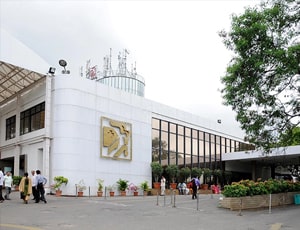
Apollo Hospitals
Hyderabad, India
Apollo Hospitals located in Hyderabad, India is accredited by JCI, NABH. Also listed below are some of the most prominent infrastructural details:
- A premier multi-specialty hospital with 477-bed capacity
- More than 50 specialties, super-specialties
- 12 Centers of Excellence
- The Institutes for Heart Diseases, Neurosciences, Cancer, Emergency, Orthopaedics, Renal Diseases, and Transplants
- Centers of Excellence are known for patient care, training and research
- Doctors with years of truly global experience in healthcare delivery

Sterling Wockhardt Hospital
Mumbai, India
Sterling Wockhardt Hospital located in Mumbai, India is accredited by NABH. Also listed below are some of the most prominent infrastructural details:
- The bed capacity of Sterling Wockhardt Hospital is 50.
- Critical care and complex cases resolution is done with excellent results.
- Emergency departments with 3 beds capacity and Intensive Care Unit with 10 beds capacity.
- The healthcare delivery focus of the hospital is both on prevention as well curing the conditions.
- Diagnostics are well developed with the latest technological developments.
- Pharmacy, operating rooms, lab services are at par with the best in the country.
- 24/7 ambulance services to cover healthcare requirements in Panvel and Vashi.
- Accommodation, airport transfers, flight bookings and translation services are all available for international patients.
Our Services to better your experience
Opinion & Option
We submit the most accurate opinion and options from one or more countries for your review
Consult Privately
Consult with a certified specialist privately on our telemedicine platform even before you decide to travel
Logistics
We handle flights, visas, transfers, and accommodation—so you can focus on your health.
Recovery
Our In-house rehabilitation service packages to better your recovery and treatment outcome
Why Choose India for Thalassemia Treatment?
The following are the much-growing reasons for India being frequented for Thalassemia treatment:
- World-Class Health Services at Affordable Costs: The nation is proficient in advanced medical technologies and treatments, including high-quality care at often dissimilar cost ratios of Western countries.
- Most Qualified Professionals: Patients will find internationally trained, renowned hepatologists, surgeons, and specialists. Medical and individualised treatment options will complement the value of the care provided by the best experts in India.
- Complete Medical Services: From advanced diagnostic tools such as elastography and imaging to liver transplants, India has gone the extra mile to provide patients with cutting-edge facilities for total Thalassemia treatment.
- Easy Medical Tourism: India is becoming a central international hub for medical tourism. Many accredited hospitals provide excellent service to international patients, including easy accessibility, visa assistance, and organised packages.
- Holistic Treatment: Most hospitals in India work towards a mainstream plus traditional treatment regime, including even Ayurvedic treatments, for complete liver health recovery and wellness, thus attending to emotional and physical wellness.
Frequently Asked Questions
No, there is no cure for thalassemia, but bone marrow or stem cell transplants could offer a potential treatment for some patients, particularly those with significant thalassemia. Gene therapy also appears promising, but research is ongoing.
Thalassemia is genetic, though genetic screening and counseling before marriage or pregnancy may serve to identify carriers. Prenatal tests such as chorionic villus sampling (CVS) and amniocentesis can also confirm the diagnosis of thalassemia in the fetus for couples at risk.
The majority of individuals with thalassemia major can thrive and live into adulthood with appropriate treatment such as regular blood transfusions and iron chelation therapy. Untreated or poorly managed thalassemia, however, may result in severe complications, reducing the lifespan of the patient.
Carriers of thalassemia (thalassemia minor) can have children, but there is a risk of passing on the disease. Genetic counseling helps evaluate the risk involved and plan the family accordingly. Parents who have thalassemia or carrier status need to meet a genetic counselor before conceiving.
Management of thalassemia involves regular medical follow-ups, blood transfusions, adherence to iron chelation therapy, and maintaining a healthy lifestyle. Good nutrition, regular exercise, and psychological support can help improve the quality of life.
Yes, thalassemia could be diagnosed during pregnancy using chorionic villus sampling (CVS) or amniocentesis. These prenatal tests can detect the condition in a fetus for high-risk couples.
People suffering from thalassemia should adhere to provisions prescribed by the doctor, such as balanced meals, exercise, and screening for symptoms of complications that arise from iron overload or organ damage, but they should avoid using iron-rich supplements. In addition to evading infections, providing emotional support by others can also improve the individual's emotional well-being.
Most people with thalassemia major in India now will live into adulthood because of continuous treatment and due to other advanced medical means. Blood transfusion therapy and iron chelation have improved survival rates over the years. Their primary challenge, however, is iron overload, and early diagnosis in such cases positively impacts outcomes.
Yes, prenatal screening for thalassemia is available in India. At-risk couples, especially when they have a history of the disease in the family or known carrier status, may choose chorionic villus sampling (CVS) or amniocentesis to determine if the fetus has inherited thalassemia. This facilitates better decision-making while pregnant.
Management of thalassemia requires a team of specialists that includes a hematologist for blood-related problems, a genetic counselor for carrier screening and family planning, and a pediatrician for children. Furthermore, endocrinologists, orthopedists, and nutritionists help manage the complications of iron overload and bone deformities. Transplant specialists, psychiatrists, and infectious disease experts also play an important role in whole care.

Reviewer

Dr. Akash Khandelwal
Hematologist
9 Years of Experience
Dr. Akash Khandelwal is a distinguished Hematologist, Hemato-oncologist, and Bone Marrow Transplant (BMT) Physician with extensive training from the prestigious AIIMS New Delhi. His expertise encompasses a wide range of specialized techniques in bone marrow transplantation, including autologous and allogeneic transplants such as matched sibling donors, matched unrelated donors (MUD), and haploidentical donor transplants. Dr. Khandelwal has personally supervised and conducted over 100 bone marrow transplants. View More
Last Reviewed - January 2026