Tethered Spinal Cord Syndrome Treatment in Thailand
- Top Accredited Hospitals
- Global Medical Standards
- Cutting-Edge Technology
- Proven Treatment Options
- High Success Rate
- Trusted by Millions

What is Tethered Spinal Cord Syndrome?
A tethered spinal cord happens when your spinal cord abnormally attaches to the wall of your spinal canal. Usually, your spinal cord moves freely inside your spinal canal.
When your spinal cord attaches to your spinal canal, this can limit its movement and cause tension. This tension can cause your spinal cord to stretch, damaging it and restricting blood flow to your spinal nerves.
What is the Importance of Timely Treatment?
Since long-standing symptoms might not go away once the spinal cord is freed, treating the tethered cord as soon as possible following diagnosis is best. Treatment aims to stop the symptoms from getting worse and, in certain situations, to reverse them.
What are the Common Symptoms of Tethered Spinal Cord Syndrome?
Individual differences in the symptoms of a tethered spinal cord can be significant. Some newborns have signs of a tethered spinal cord. Tethered cord symptoms typically appear in youngsters as they get older. Rarely, some people have no symptoms as children but, if left untreated, may develop symptoms as adults.
Tethered spinal cord syndrome in adults and children may be linked to:
- Walking difficulties
- Your lower back may have dimples, benign tumours, or hair patches
- Haemangiomas, a kind of birthmark, and patches of discoloured skin
- Your back or legs may feel numb
- Severe back or leg discomfort that frequently spreads to your genital area or rectum
- Scoliosis
- Acrochordons, or skin tags
- Difficulty controlling one's bowels and bladder.
- Spinal cord cysts filled with fluid (syringomyelia)
- Muscular atrophy is the loss of muscular mass.
Causes and Risk Factors of Tethered Spinal Cord Syndrome
Causes
Tethered Spinal Cord Syndrome is caused by an abnormal attachment of the spinal cord to the tissues that surround it, which could be acquired from trauma or scarring or congenital disorders such as spina bifida. This restriction could lead to straining of the spinal cord and allied neurological issues.
Risk Factors
Tethered spinal cord syndrome risk factors include
- Congenital Conditions
- Family History
- Previous Spinal Surgery
- Trauma
- Spinal Tumors or Cysts
Connect with our advisor for a PRIORITY response
Latest Research and Technologies in the Treatment of Spinal Cord Syndrome in Thailand
Tethered Spinal Cord Syndrome (TSCS) is treated in Thailand with the latest surgical techniques and technologies, including minimally invasive surgery and neuroimaging for precise diagnosis. Improved tissue management during surgery has been the subject of recent studies to enhance long-term function, reduce recovery periods, and enhance surgical outcomes. Thai hospitals are well equipped with state-of-the-art facilities and expert professionals, providing comprehensive treatment tailored to the needs of each patient for optimal results.
Tethered Spinal Cord Syndrome Prevention Tips
Although tethered spinal cords cannot be avoided, symptoms can be reversed with early intervention. If you or your kid exhibits any signs of a tethered spinal cord, get medical help immediately.
Treatment options for Tethered Spinal Cord Syndrome
Spinal Fusion Surgery: Spinal cord fusion surgery and laminectomy are typically performed by a neurosurgeon, a medical professional specialising in brain and spine surgeries. They start by cutting your lower back. After that, doctors carefully remove scar tissue and separate the spinal cord from the spinal canal using surgical instruments.
Cost Start From USD 12000 - USD 17000Explore Options
- Magnetic resonance imaging (MRI): Examines your spinal cord, nerves, and surrounding structures using radio waves and magnets.
Myelogram: A contrast dye is injected by your healthcare practitioner into the membrane that envelops your spinal cord, known as the thecal sac. They then check for tethering to your spinal canal using an X-ray. - CT scan: This examination uses specialised computers and X-rays to examine your body. Neurologists may utilise a CT scan following a myelogram to observe the contrast dye flow around your spinal cord.
- Ultrasound: Your healthcare provider employs high-frequency sound waves to see within your body. Your neurologist may use it to examine the movement of your spinal cord within your spinal canal. Young newborns are the most common users of this.
MediRehab (chain of Rehab centres - Part of MediGence) provides comprehensive rehabilitation services rehabilitation services to support patients through Teleconsulations and online therapy sessions.
After surgery, some patients may require physical or occupational therapy to help them regain function. Although it is unlikely to repair nerve damage that has already occurred, the procedure is done to stop further nerve damage. Therefore, even after treatment, some persons may still experience muscle weakness or difficulty with motor control (movement).
- Depending on the situation, your healthcare professional may prescribe medicine to help control your symptoms and support the treatment plan.
Instantly Connect with our Specialists


Hospitals for Tethered Spinal Cord Syndrome in Thailand
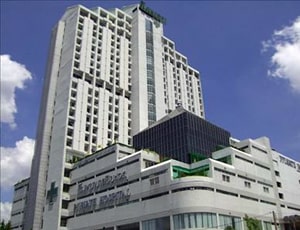
Piyavate Hospital
Bangkok, Thailand
Piyavate Hospital located in Bangkok, Thailand is accredited by JCI. Also listed below are some of the most prominent infrastructural details:
Medicine Centre: Piyavate Hospital provides advanced holistic treatment for their patients. They offer a complete range of services and physicians that specialize in various fields like the endocrine system, the nervous system, kidney function, cardiovascular care, respiratory and digestive system. They pride themselves for the familial care that they provide to their patients.
Fertility and In-Vitro Fertilization Centre: Helping the couples who walk into the Piyavate Hospital to achieve their dream of having a family. They have a medical team that specializes in male and female fertility. They offer consultation services, fertility check-up for both men and women and complete IVF services. They have advanced IVF cycle treatment facilities that offer a high rate of success.
Bone and Joint Institute: Piyavate Hospital houses one of the frontrunners in Orthopaedic health care in all of SouthEast Asia. They offer a wide range of services and surgeries in their bone and joint institute that include hand surgery, hip and knee replacement surgery, spinal cord surgery, upper extremity surgery, arthroscopic surgery and sports medicine.
Eye and Lasik Centre: Piyavate Hospital is fully equipped with the latest and most advanced technology for eye care and houses highly skilled ophthalmologists, sub-specialists and qualified nurses.
Physical Therapy and Rehabilitation Centre: One of the first hospitals to be equipped with the Hybrid Assistive Limb technology that will help a neurologically challenged patient to control the rehabilitation robot limb with a signal from their brain. The Physical Therapy and Rehabilitation Centre at Piyavate Hospital uses this system encourage patients to regain muscle memory to walk and function normally.
Amenities for Patient’s Family:
Piyavate Hospital also offers additional apartment facilities to house the kin of the patients who come to visit them from distant places. A restaurant, a flower shop and a café are a few of the other amenities provided by the hospital.
These are the most popular services offered by the Piyavate Hospital in Bangkok, Thailand. They also provide a plethora of other medical services that are listed below:
Diabetic Foot Centre
Check-up centre
Urology Centre
Heart Institute
Paediatric Centre
Obstetrics and Gynaecology Centre
Surgery Centre
Ear Nose Throat Centre
Haemodialysis Centre
Dental Centre
X-Ray Centre
Gastroenterology Centre
Cancer Centre
Neonatal Intensive Care Unit (NICU)
Emergency Services and Centre
Tele-medicine

Phyathai 2 International Hospital
Bangkok, Thailand
Phyathai 2 International Hospital located in Bangkok, Thailand is accredited by JCI. Also listed below are some of the most prominent infrastructural details:
- Fully equipped rooms are available for convenience of the patients- Gold B Room, Gold A Room, Pediatric Gold A, Platinum room, and Prestige ward
- Nearby accommodations are also available- Abloom Service Apartments, Bangkok Patio, VIB Best Western Sanam Pao, VIC3 Hotel
- Operating room
- International Patient Medical Center to assist overseas patients

Kasemrad Ramkhamhaeng Hospital
Bangkok, Thailand
Apart from in-detail treatment procedures available, Kasemrad Ramkhamhaeng Hospital located in Bangkok, Thailand has a wide variety of facilities available for International Patients. Some of the facilities which are provided by them are Accommodation, Airport Transfer, Choice of Meals, Interpreter, SIM, TV inside room. Also listed below are some of the most prominent infrastructural details:
- Initially started with 1.5 acres of land and expanded to 3.5 acres
- 139 beds, 39 Examination Rooms
- 13 Specialties Departments/Centers
- 24*7 Emergency Department
- Accommodation facilities are available- VIP rooms, Single special room, 6-bed dormitory, baby room
Our Services to better your experience
Opinion & Option
We submit the most accurate opinion and options from one or more countries for your review
Consult Privately
Consult with a certified specialist privately on our telemedicine platform even before you decide to travel
Logistics
We handle flights, visas, transfers, and accommodation—so you can focus on your health.
Recovery
Our In-house rehabilitation service packages to better your recovery and treatment outcome
Why Choose Thailand for Tethered Spinal Cord Syndrome Treatment?
Here are some of the reasons for choosing Thailand:
- Due to advancements in medical facilities, such as minimally invasive surgical techniques and spinal cord fusion surgery.
- World-class experts include highly experienced doctors and JCI-accredited healthcare institutions.
- Compared to other countries, treatment in Thailand’s hospitals is cost-effective.
- Thailand hospitals provide international patient services, including a multilingual support system.
- Improved treatment methods and biological therapies.
Frequently Asked Questions
Yes, Tethered Spinal cord syndrome is treatable. Surgery to release (detether) the spinal cord in adults helps lessen the size and progression of cord cysts. Additionally, surgery may relieve some symptoms or restore some function. Other types of treatment can help alleviate TSCS symptoms in adults and children.
Treatment for Tethered Spinal Cord Syndrome in Thailand is usually successful, with many patients showing much improvement, particularly when early intervention through surgery is achieved. Thailand's advanced technology, expert surgeons, and multidisciplinary care all contribute to encouraging outcomes. Individual outcomes may differ, but Thailand's healthcare system provides a high level of care such that patients receive individualised treatments for the best possible recovery.
Yes, many Thailand hospitals offer the following for Tethered Spinal Cord Syndrome treatment:
- Advanced diagnostic tools like MRI, CT, electromyography, and PET scan for accurate Tethered Spinal Cord Syndrome diagnoses.
- Skilled neurologists and surgeons performing spinal cord fusion for Tethered Spinal Cord Syndrome treatment.
- Comprehensive post-surgery care and rehabilitation for long-term health benefit
Always consider the following factors when selecting Thailand hospitals:
- Hospitals that are accredited (authorised by JCI).
- Patient reviews and success rates.
- Hospitals that provide seamless care to patients from abroad.
In Thailand, tethered spinal cord syndrome treatment is generally effective, with most patients experiencing significant improvements after undergoing surgery. Successful outcomes are a function of the country's highly advanced medical facilities and expert professionals. Based on the extent of the disease and the time therapy begins, success rates may vary.
Children who have a tethered spinal cord may experience shooting pain in their legs or back aches. Weakness, numbness, or issues with the function of the leg muscles.
Early diagnosis and surgical intervention are essential to minimise the long-term complications of Tethered Spinal Cord Syndrome (TSCS), which can cause progressive muscle weakness, numbness in the legs, difficulty walking, impaired bladder and bowel control, chronic back pain, and in severe cases, partial paralysis if left untreated.
When caring for a child with Tethered Spinal Cord Syndrome, it is essential to keep an eye on their symptoms, lead a healthy lifestyle, seek early surgical intervention if needed, and work closely with a team of specialists that includes a urologist, physical therapist, and neurosurgeon. This is especially important if the child exhibits any signs of worsening neurological function, such as increased back pain, muscle weakness, or problems controlling their bladder.

Reviewer
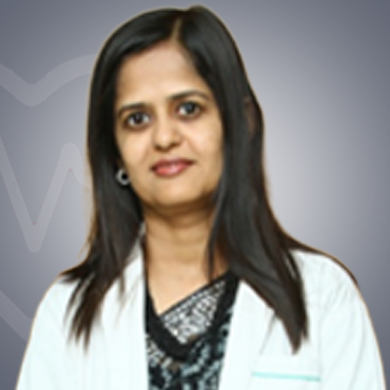
Dr Sonal Gupta
Neurosurgeon
29 Years of Experience
Dr. Sonal Gupta has an experienced neurosurgeon with more than 29+ years of clinical expertise. She is currently the Director, Neuro & Spine Surgery at Fortis Hospital, Shalimar Bagh. Before joining Fortis, she has been associated with various organizations such as Maharaja Agrasen Hospital, Action Balaji Hospital, and Max Hospital. View More
Last Reviewed - January 2026