Sturge Weber Syndrome Treatment in Turkey
- Top Accredited Hospitals
- Global Medical Standards
- Cutting-Edge Technology
- Proven Treatment Options
- High Success Rate
- Trusted by Millions

What is Sturge Weber Syndrome?
The neurocutaneous illness known as Sturge-Weber syndrome (SWS) is typified by angiomas that affect the leptomeninges, choroid, and face. "Port-wine stain" or "nevus flammeus" are other names for the facial capillary vascular malformation, which is typically found in the trigeminal nerve's region.
What is the Importance of Timely Treatment?
When seizures are promptly controlled in the early stages of development, a patient's neurological outcome can be significantly improved by preventing further brain damage from seizures, minimising cognitive impairments, and addressing potential complications like glaucoma. Delaying treatment can result in more severe neurological deficits and developmental delays. This is why treating Sturge-Weber syndrome as soon as possible is so important.
What are the Common Symptoms of Sturge-Weber Syndrome?
- Seizures that start in childhood and can get worse as people age
- Convulsions can vary in intensity and typically occur on the side of the body opposite the birthmark
- Muscle weakness that can be either temporary or permanent
- Cognitive impairment and developmental delays
- Glaucoma, or elevated intraocular pressure, may occur from birth or later. The eyeball may swell and protrude from its socket due to elevated intraocular pressure (buphthalmos)
- Migraines
Causes and Risk Factors of Sturge-Weber Syndrome
Causes
A GNAQ gene mutation, which affects the development of blood vessels, causes the rare genetic disorder Sturge-Weber Syndrome (SWS). Abnormal growth of blood vessels occurs, particularly in the skin, brain, and eyes. While the genetic mutation's exact cause is unknown, it typically occurs at some point during the initial stages of fetal development and is not inherited.
Risk Factors
Risk factors for Sturge-Weber Syndrome: Sturge-Weber syndrome-related leptomeningeal angiomas may raise your risk of:
- Near the angioma, there are calcifications (calcium deposits)
- Atrophy is the loss of brain tissue
- Paralysis
- Stroke.
Connect with our advisor for a PRIORITY response
Latest Research and Technologies in the Treatment of Sturge-Weber Syndrome in Turkey
In Turkey, multidisciplinary treatment and advanced medical technology are employed to treat Sturge-Weber Syndrome (SWS). They include treatments for facial birthmarks, such as pulsed dye laser therapy and medication to manage seizures and other manifestations. Comprehensive care for SWS is given by Turkey's healthcare system as per international standards, ensuring personalised treatment regimens for optimal patient outcomes, even though there is not much recent research on the topic.
Treatment options for Sturge Weber Syndrome
Seizure Management: Sturge-Weber syndrome is treated by managing its symptoms, which may involve anti-seizure drugs or seizure surgery. Laser skin resurfacing is used to lessen the visibility of the port-wine birthmark.
Cost Start From USD 500 - USD 3000Explore Options
Stem Cell Therapy: In Turkey, novel therapies, including stem cell therapy, have been investigated. One documented incident, for example, demonstrated that a child's motor skills improved after receiving stem cell therapy.
After your baby is born, a medical professional will diagnose Sturge-Weber syndrome. The port-wine birthmark will be visible on your child's skin. Following a neurological examination and tests to check for blood vessel problems that impact the brain and vision, their provider will examine it during their initial physical examination. Tests could consist of:
- MRI
- CT scan
- EEG stands for electroencephalogram
- Eye examination.
MediRehab (chain of Rehab centres - Part of MediGence) provides comprehensive rehabilitation services rehabilitation services to support patients through Teleconsulations and online therapy sessions.
- Personalised Therapy Plans: Individually tailored treatments for pain management and enhanced mobility.
- Rehabilitation post-surgery: physiotherapy sessions focused on restoring joint function and strength.
- Depending on the situation, your healthcare professional may prescribe medicine to help control your symptoms and support the treatment plan.
Instantly Connect with our Specialists


Hospitals for Sturge Weber Syndrome in Turkey

Medical Park Canakkale Hospital
Canakkale, Turkey
Apart from in-detail treatment procedures available, Medical Park Canakkale Hospital located in Canakkale, Turkey has a wide variety of facilities available for International Patients. Some of the facilities which are provided by them are Accommodation, Airport Transfer, Choice of Meals, Interpreter, SIM, TV inside room. Also listed below are some of the most prominent infrastructural details:
- 32 patient rooms
- 2 Operating rooms
- 75 bed capacity
- 24*7 Emergency Service
- Fully equipped Neonatal Care Unit (6 Incubators)
- In-house Pharmacy
- Luxurious rooms for patients designed in such a way that they will feel like at 5-star hotel
- Nurse-call system in rooms
- Cafeteria/Restaurant

Adatip Hospital
Sakarya, Turkey
Adatip International Hospital was founded in Sakarya, Turkey, in 1995. It has been accredited by Turking medical association and ISO Credentials. The hospital has been prepared with a capacity of 450 beds and 16 fully equipped operating rooms. 2 out of these 16 OTs are hybrid and equipped with advanced technology.
It offers affordable healthcare services in all departments while all services are rendered at the same standards and quality. It serves patients through a comprehensive group of healthcare professionals. It responds to the needs of patients based on a holistic approach that considers physical and mental well-being as a whole and offers predictive, preventive, personalized, and therapeutic solutions.
The quality of service is maximized by specialized healthcare professionals, medical collaborations, and technologies. It has specialized departments such as anesthesiology, biochemistry, cardiology, dermatology, ENT, gastroenterology, infectious diseases, neurology, orthopedics, and psychology. The mission is to consider the expectations, needs, responsibilities, and rights of all patients, employees, and companions at each step of the service delivery. The values are to ensure sustainability in improvement and education, provide modern infrastructure, believe in the power of teamwork, present the best health care without sacrificing the quality, honor the principles of organizational social responsibility, use sources efficiently, enrich and protect the sustainable success and the organizational culture, and work in line with scientific and ethic rules.

Medstar Antalya Hospital
Ankara, Turkey
- Medstar Antalya Hospital has been providing patients with modern medical services since 2009.
- It is part of the trusted Memorial Health Group, which is known for expert healthcare in Turkey.
- The hospital is situated on a large campus and features advanced medical equipment and facilities.
- It has 124 comfortable beds for patients and five fully prepared operating rooms for surgeries.
- There are 33 intensive care beds, including specialised units for newborns who require additional support.
- The hospital treats many health issues like cancer, heart problems, brain conditions, and more.
- Modern machines, such as MRI, CT, and PET-CT, help doctors identify and treat problems quickly and safely.
- Medstar meets international safety and care standards and is trusted by both local and global patients.
- Care plans are made specially for each person, and emotional well-being is also supported.
- Its location in Antalya makes it easy to reach and ideal for people coming from other countries for treatment.
Our Services to better your experience
Opinion & Option
We submit the most accurate opinion and options from one or more countries for your review
Consult Privately
Consult with a certified specialist privately on our telemedicine platform even before you decide to travel
Logistics
We handle flights, visas, transfers, and accommodation—so you can focus on your health.
Recovery
Our In-house rehabilitation service packages to better your recovery and treatment outcome
Why Choose Turkey for Stroke Treatment?
Here are some of the reasons for choosing Turkey:
- Due to advancements in medical facilities, such as minimally invasive surgical techniques.
- World-class experts include highly experienced doctors, JCI accredited healthcare institutions.
- Compared to other countries, treatment in Turkey hospitals is cost-effective.
- Turkey hospitals provide international patient services, including a multilingual support system.
- Improved treatment methods and biological therapies.
Frequently Asked Questions
Sturge-Weber is an incurable, lifelong illness. Nonetheless, symptom management can enhance your child's quality of life and help avoid difficulties.
The nation's healthcare institutions offer top-notch treatment alternatives, guaranteeing successful outcomes for many patients. The primary objective of treatment is to control seizures with anticonvulsant drugs, which are successfully available in Turkey.
Yes, many Turkey hospitals offer the following for Sturge Weber Syndrome treatment:
- Advanced diagnostic tools like MRI, CT scan, electromyography, and PET scan for accurate diagnoses of Sturge Weber Syndrome
- Skilled neurologists, paediatricians and surgeons to treat Sturge Weber Syndrome.
- Comprehensive post-surgery care and rehabilitation for long-term health benefit
Always consider the following factors when selecting Turkey hospitals:
- Hospitals that are accredited (authorised by JCI).
- Patient reviews and success rates.
- Hospitals that provide seamless care to patients from abroad.
A youngster with Sturge Weber Syndrome frequently has a port-wine birthmark on their face. Neurological disorders, such as seizures and visual issues, including glaucoma, are other prominent signs of Sturge-Weber Syndrome. Each patient experiences these three typical SWS traits to differing degrees.
Some people have severe impairments in their vision, convulsions, movement, and IQ. Some, on the other hand, are less severely impacted; they have intact vision, well-controlled seizures, minimal motor disability, and normal intelligence, possibly with milder learning impairments or concentration issues.
Specialist monitoring with routine examinations is required to monitor neurological, ocular, and cutaneous complications in children with Sturge-Weber syndrome. Potential treatment modalities include seizure medication, laser ablation for skin lesions, and interventions to foster cognitive and developmental advancement. The child requires emotional support and a comforting, safe environment to manage the challenges induced by the syndrome.

Reviewer
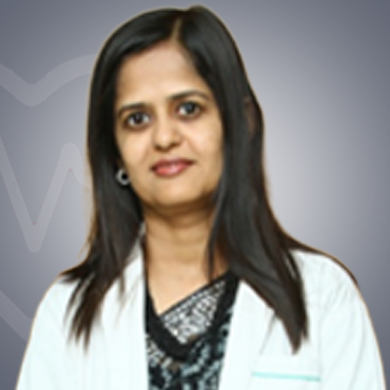
Dr Sonal Gupta
Neurosurgeon
29 Years of Experience
Dr. Sonal Gupta has an experienced neurosurgeon with more than 29+ years of clinical expertise. She is currently the Director, Neuro & Spine Surgery at Fortis Hospital, Shalimar Bagh. Before joining Fortis, she has been associated with various organizations such as Maharaja Agrasen Hospital, Action Balaji Hospital, and Max Hospital. View More
Last Reviewed - January 2026