Spondylosis Treatment in India
- Top Accredited Hospitals
- Global Medical Standards
- Cutting-Edge Technology
- Proven Treatment Options
- High Success Rate
- Trusted by Millions

What is Spondylosis?
Spondylosis is the general term for the chronic degeneration of the spine due to age. It often describes osteoarthritis or degeneration of the joints, vertebrae, and spinal discs. Spondylosis can occur in any part of the spine but most commonly in the lower back (lumbar spondylosis) and neck (cervical spondylosis).
This may lead to inflammation, pain, stiffness, and, in a few cases, nerve compression, where the bones rub against one another when the discs between the vertebrae degenerate.
What is the Importance of Timely Treatment?
Early treatment is essential to obtaining relief from discomfort because it ensures that the spine does not further develop severe degeneration and prevents consequences such as nerve damage or herniated discs. Early management helps maintain an active lifestyle, increase mobility, and decrease the need for surgery, ensuring a better general quality of life and preventing long-term impairment.
What are the Common Symptoms of Spondylosis?
There are a few symptoms of spondylosis are mentioned below:
- Neck or back pain.
- Numbness or tingling in limbs if nerves are compressed.
- The range of motion may be limited.
- Weakened muscles.
Causes and Risk Factors of Spondylosis
Although spondylosis is mainly caused by natural ageing, several conditions might raise the risk or increase its development.
Causes
Ageing: As we age, spinal discs lose water content, making them less flexible and more vulnerable to wear and tear.
Disc Degeneration: As time passes, the discs supporting the vertebrae may contract or herniate, causing bone friction.
Bone Spurs: The body may produce bone spurs to support the degenerating spine, which can exacerbate pain or compress nerves.
Risk Factors
- Age
- Genetics
- Repetitive Stress
- Obesity
- Sedentary Lifestyle
- Smoking
- Previous Injuries
Connect with our advisor for a PRIORITY response
Latest Research and Technologies in the Treatment of Spondylosis in India
- Studies have shown that advancements in physical therapy techniques have significantly enhanced the recovery of patients with cervical spondylosis. Some of the new methods that have been promising in improving patient outcomes include Proprioceptive Neuromuscular Facilitation (PNF), Muscle Energy Technique (MET), Fascia manipulation, and Sling Exercises Training (SET). These techniques strengthen the cervical spine, reduce pain, and restore mobility.
Spondylosis Prevention Tips
The main objectives of spondylosis prevention are to maintain a healthy spine and minimise risk factors. Here are some essential pointers to help stop it from occurring:
Keep Moving: Regular exercise, especially exercises that strengthen the back and core muscles, helps support the spine and lower the chances of degeneration.
Maintain Good Posture: Be sure to use good posture while standing, sitting, and lifting. Keep your spine aligned as much as possible to avoid unnecessary strain on the vertebrae.
Lift Correctly: Always bend at the knees when lifting, and try to lift with your legs, not your back, to prevent stress on your spine.
Maintain a Healthy Weight: Excess weight, particularly around the middle, puts unnecessary strain on the spine. A healthy weight minimises stress.
Treatment options for Spondylosis
Spinal Fusion: An osteotomy is a surgical procedure that involves the realignment and cutting of bones to correct abnormalities caused by conditions such as spondylitis.
Cost Start From USD 6500 - USD 9500Explore Options
Osteotomy: Ankylosing Spondylitis (AS) is commonly treated through spinal fusion, which is a surgical procedure during this condition when it has progressed to severe pain in the spine, deformation, or injury.
Cost Start From USD 3500 - USD 4500Explore Options
- Clinical assessment:
- PhysicalExam: This includes evaluating the patient's posture, gait, and any evident spinal deformities. The doctor also examines the affected area for signs of soreness or spinal deformities.
- Range-of-motiontests: The doctor will check your spine's movement and flexibility. A restricted range of motion, such as the inability to fully extend (lean backward) or flex (bend forward), might indicate damage to the spinal area or instability.
- Imaging Tests:
- X-rays:Identify spinal deformities.
- MRI Scans: Provide detailed views of damaged spine areas, soft tissues, and bone marrow alterations, allowing you to estimate the severity of joint degeneration.
- Ultrasound shows joint inflammation, fluid buildup, and soft tissue injury.
MediRehab (chain of Rehab centres - Part of MediGence) provides comprehensive rehabilitation services designed to support spondylosis patients in India. These services include:
Personalised Therapy Plans: Improved mobility, pain management, improvement in strength, and reduction in inflammation.
Post-operative rehabilitation: Physical therapy sessions aimed at regaining joint strength and function.
- Depending on the situation, your healthcare professional may prescribe medicine to help control your symptoms and support the treatment plan.
Instantly Connect with our Specialists


Hospitals for Spondylosis in India

MGM Healthcare
Chennai, India
There are a wide variety of healthcare facilities and specialized, targeted treatments provided by MGM HealthCare. Some of its most prominent services are listed below:
Institute of Heart and Lung Transplant and Mechanical Circulatory Support: Well renowned for having the third-highest number of heart transplants in a year (102) and also the successful completion of several other transplant surgeries and cardiac surgeries.
Cardiac Sciences: They offer a variety of screening tests and facilities including Tilt Table Test, Coronary Angioplasty and Stenting, CT Angiography, Coronary Artery Bypass Grafting, Stress Echocardiogram, Cardiac Stress Test and Cardiac Catheterisation.
Obstetrics and Gynaecology: They provide all services to ensure a woman’s well-being. Some of the services offered are Menstrual Cramps Treatment, Colposcopy, Myomectomy, Vaginal Hysterectomy, Breastfeeding Support, Ovarian Cyst Removal, Menopause Management, Vaginal Birth After Caesarean (VBAC), and Menorrhagia Treatment.
Orthopedics: Bilateral Knee Replacement, Total hip Replacement, and Knee Arthroscopy are all the procedures that are offered in this department.
Liver Transplantation: An exceptionally skilled team of professionals who have performed over 4,000 liver transplant surgeries and an operation theatre and ICU specifically dedicated to HBP surgery is available at the patient’s disposal.
Emergency Medicine: MGM Healthcare has a fully functioning facility dedicated to emergency medicine that operates 24 hours a day and 7 days a week.
Oncology: The patients will be in the safe hands of well-trained medical personnel qualified in the field of oncology and specialize in procedures like Bowel resection surgery, Biopsy, Lumpectomy, Liver Resection Surgery, Lung Cancer resection surgery, Lymph Node Surgery, and Laparoscopic Prostatectomy. They also provide cancer treatments like Chemotherapy, Immunotherapy, and Targeted Therapy.
Anaesthesiology and SICU: They specialize in the field of local, general and regional anesthesia and work to assist doctors during surgical procedures.
Neurosciences and Spine: The doctors in this department handle difficult procedures like Brain Tumour Surgery, Spine Reconstructive Surgery, Neuro Surgeries, and Spine Surgeries with the utmost ease and professionalism. They also have a specific area dedicated to Neuroanaesthesia and NeuroCritical Care.
Do visit the environment-friendly medical facility in Chennai and experience medical excellence.

Apollo Hospitals Bannerghatta
Bangalore, India
Apollo Hospitals Bannerghatta located in Bengaluru, India is accredited by JCI, NABH. Also listed below are some of the most prominent infrastructural details:
- Bed Capacity is 250
- Largest and most sophisticated sleep laboratory in the world
- Technological powerhouse with latest equipments
- 120 slice CT angiogram
- 3 Tesla MRI
- Low energy & High energy Linear Accelerators
- Navigation System in surgical procedures
- 4-D Ultrasound for 4 dimensional sonography
- Digital Fluoroscopy
- Gamma Camera
- Stereotactic Robotic Radio- surgery
- Autologous Bone Marrow Transplantation
- Robotic assisted surgeries
- Thallium Laser-First in India
- Holmium Laser-First in South India
- Digital X-Ray-First in Karnataka
- 100 plus consultants
- Uses Y shaped stent for tracheoesophageal fistula
- Four autologous chondrocyte implantations procedure is performed and several more like Spinal angiolipoma excision, Tibial tuberosity shift with MPSL reconstruction
- Biggest series of airway stents in India
- The Minimal Access Surgery Centre (MASC) centre of excellence

Fortis Hospital
Bangalore, India
Fortis Hospital, Bannerghatta Road, Bangalore, has been a leading multi-speciality healthcare institution, offering advanced medical services with a patient-centric approach. The hospital features 400+ beds, state-of-the-art infrastructure, and experienced specialists across various specialities, providing comprehensive and compassionate care. Trusted by patients from India and abroad, Fortis Bannerghatta Road combines modern technology with high-quality treatment to deliver world-class healthcare.
Our Services to better your experience
Opinion & Option
We submit the most accurate opinion and options from one or more countries for your review
Consult Privately
Consult with a certified specialist privately on our telemedicine platform even before you decide to travel
Logistics
We handle flights, visas, transfers, and accommodation—so you can focus on your health.
Recovery
Our In-house rehabilitation service packages to better your recovery and treatment outcome
Why Choose India for Spondylosis Treatment?
India is one of the most sought-after places for spondylosis treatment due to its well-qualified doctors, affordable healthcare, and modern medical equipment. State-of-the-art facilities, short waiting times, and personalised treatment benefit patients. Physical therapy, alternative therapies, and modern surgery are just a few of the many treatment options available in India. India provides the best medical care for a fraction of the cost compared to many Western countries, considering its well-established medical tourism services and good patient outcomes.
Frequently Asked Questions
Yes, severe spondylosis could cause paralysis. Significant compression of the spinal cord or nerve roots will significantly affect nerve function, and failing treatment may lead to paralysis, weakness, or loss of feeling in the muscles. Paralysis is rare, however, and usually occurs in severe stages when proper therapy has not been done.
Cervical spondylosis affects the neck and can result in stiffness, neck pain, and sometimes tingling or numbness in the arms. In contrast, lumbar spondylosis causes lower back discomfort, stiffness, and occasionally sciatica or radiating leg pain. Although both disorders are caused by age-related degeneration, they have different symptoms because they affect separate areas of the spine.
Yes, cervical spondylosis may cause headaches. Degeneration of the cervical spine can cause insufficient blood flow, nerve compression, or muscular stress, which causes migraines and tension-type headaches. These headaches often involve the head, neck, and shoulders and tend to occur at the base of the skull.
Generally, the degree of spondylosis and the course of treatment determine how long it may take to heal. Mild forms can be managed with rest, physical therapy, and medication over a few weeks to months. In severe scenarios, rehabilitation may take months, depending on whether a surgical intervention is necessary, resulting in a longer recovery. Gradual treatment, including physical therapy and lifestyle change, can manage symptoms over time and increase the chances of better recovery results.
In spondylosis, bony spurs, referred to as bone spurs, also known as osteophytes, develop along the edges of the vertebrae due to degeneration of the spine. Such spurs tend to occur due to an effort by the body to stabilise the spine due to the wearing off of the spinal joints and intervertebral discs, which tends to happen with cartilage breakage.
Yes, spondylosis symptoms can be significantly controlled and reduced by a change in lifestyle. This is achieved by reducing repetitive strain on the spine, maintaining a healthy weight, exercising regularly, and practising proper posture.
Additionally, using back and core strengthening, stretching routines, and ergonomic furnishings can improve flexibility, reduce pain, and prevent further deterioration. Maintaining an active lifestyle and not smoking are healthy behaviours that promote spinal health and reduce the progression of the condition.
It is also true that spondylosis and sciatica are interrelated. The compression of nerves in the lower back, particularly the sciatic nerve, could be caused by the degeneration of the spinal discs or the formation of bone spurs due to spondylosis. These symptoms include aching, prickling, numbing, or weakness that could travel down the leg, indicating sciatica, which this can cause. Spondylosis is often responsible for compressing the nerve roots in the lumbar spinous region, causing sciatica.

Reviewer
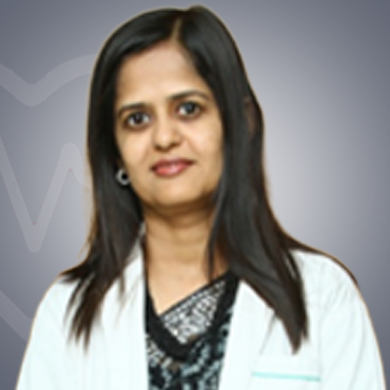
Dr Sonal Gupta
Neurosurgeon
29 Years of Experience
Dr. Sonal Gupta has an experienced neurosurgeon with more than 29+ years of clinical expertise. She is currently the Director, Neuro & Spine Surgery at Fortis Hospital, Shalimar Bagh. Before joining Fortis, she has been associated with various organizations such as Maharaja Agrasen Hospital, Action Balaji Hospital, and Max Hospital. View More
Last Reviewed - January 2026