Seizures Treatment in India
- Top Accredited Hospitals
- Global Medical Standards
- Cutting-Edge Technology
- Proven Treatment Options
- High Success Rate
- Trusted by Millions

What are Seizures?
Unusual electrical activity in the brain is what causes a seizure. It alters muscular control and consciousness. Additionally, it produces symptoms that impact senses and behavior. Any age might experience seizures, and there are many potential causes, ranging from an underlying medical condition to an illness or injury.
What is the Importance of Timely Treatment?
Because it drastically shortens seizure length, reduces the risk of brain damage, enhances the patient's overall result, and may even save lives, prompt treatment of seizures is essential. With the right diagnosis and care, up to 70% of individuals with epilepsy are thought to be able to enjoy seizure-free lives.
What are the Common Symptoms of Seizures?
Depending on the kind and intensity of the seizure, symptoms could include:
- Unconsciousness
- Uncontrollable motions (jerking, muscle spasms, convulsions)
- Gazing
Other signs and symptoms could be:
- Abrupt emotional shifts (anxiety, joy, terror, and confusion)
- Clenching of the teeth
- Drooling
- Unusual eye motions
- Loss of control over the bowels or bladder
- Making noise (snorting or grunting)
These are transient symptoms that go away after a few seconds to a few minutes.
Causes and Risk Factors of Seizures
Causes
Seizures are brought on by an increase in electrical activity in the brain.
Nerve cells, or neurons, communicate with one another by transmitting electrical impulses to various brain regions. The impacted brain cells send out uncontrollable impulses to anyone in their vicinity during a seizure. The impacted brain regions are overloaded by this type of electrical activity, which results in seizure symptoms.
Depending on the reason for the seizure, there are two primary kinds of causes:
- Provoked seizures (nonepileptic): Seizures are triggered by a trigger, which may be a transient illness or specific situations
- Unprovoked seizures (epileptic): Seizures occur on their own (at random). They may happen often. These seizures are the primary symptom of epilepsy
- Seizures without a known cause are called idiopathic seizures
Seizures-causing conditions : There are numerous causes of seizures. These consist of, but are not restricted to:
- Aneurysms
- Brain growths
- Hypoxia in the brain
- Illness of the cerebrovascular system
- Diabetes
- Severe traumatic brain damage and concussions, particularly those that result in unconsciousness.
- Degenerative brain conditions such as frontotemporal dementia and Alzheimer's disease
- Eclampsia issues with electrolytes, particularly insufficient calcium, magnesium, or sodium (hyponatremia)
- Frequent seizures without a known underlying cause are known as epilepsy.
genetic disorders
Connect with our advisor for a PRIORITY response
Seizures Prevention Tips
Things to follow to prevent seizures
- As directed, take your medication
- Avoid alcohol
- Steer clear of substance abuse
- Manage your stress
- Observe a sleep schedule
- Maintain a regular eating schedule
- Steer clear of flashing lights
- Take precautions to avoid head injuries
Treatment options for Seizures
Management of seizure: Taking care of any underlying causes or conditions: Your doctor will start by taking care of any underlying issues, such as low blood sugar or a stroke. This could stop seizures in the future.
Cost Start From USD 500 - USD 1500Explore Options
Vagus Nerve Stimulation: People who have drug-resistant or refractory epilepsy can benefit from vagus nerve stimulation. This indicates that even after using at least two suitable seizure drugs, seizures are not under control. It is used in conjunction with seizure medications because it is an add-on treatment.
Cost Start From USD 20000 - USD 25000Explore Options
Tests can assist determine what might have caused the seizure. Determining whether there is a focal point - a particular region of the brain where seizures begin - is a crucial step in diagnosing seizures. Finding a focus point might assist your healthcare professional in making treatment plans.
The following tests are used to diagnose seizures:
- Blood examinations
- CT scan (computed tomography)
- EEG stands for electroencephalogram
- Genetic examinations
- MRI stands for magnetic resonance imaging\
- PET scan (positron emission tomography)
- Lumbar puncture, or spinal tap
If medical professionals suspect damage or problems from a seizure, they may also suggest tests. What tests your provider recommends and why will be communicated to you (or anyone you designate to make medical decisions for you).
MediRehab (chain of Rehab center - part of MediGence provides comprehensive rehabilitation services designed to support arthritis patients in <India>. These services include:
- Nutritional Counseling: Diet plans to reduce inflammation and maintain a healthy weight.
- Personalized Therapy Plans: Individually tailored treatments for pain management and enhanced mobility.
- Rehabilitation post Surgery: physiotherapy sessions focused on restoring joint function and strength.
- Nutrition Guidance: Customized dietary plan for reducing inflammation and maintaining a healthy weight for overall recovery
- The goal of rehabilitation for people with epilepsy is to maximize their general functionality, independence, and quality of life.
- Anticonvulsants
- Carbamazepine: The generic name for a common class of seizure medication is carbamazepine. Tegretol from Novartis Pharmaceuticals is the most widely used brand name for carbamazepine in the United States
- Carbamazepine-XR: is extended release form of Carbamazepine
- Cenobamate
- Clonazepam
- Clonazepam Nasal Spray is used in emergency situations
Instantly Connect with our Specialists


Hospitals for Seizures in India

Batra Hospital
Delhi, India
- More than 35 years of trusted healthcare service
- Multi-specialty tertiary care with over 30 departments
- Comprehensive preventive, diagnostic, and therapeutic care under one roof
- International patient coordination team for seamless overseas care

Jaslok Hospital & Research Center
Mumbai, India
- Jaslok Hospital & Research Centre, Mumbai, is a 350-bed super-speciality tertiary care hospital, established in 1973 and among India’s most respected private trust hospitals.
- Located on Peddar Road in South Mumbai, overlooking the Arabian Sea, it serves as a major referral centre for Mumbai, Maharashtra, and patients from across India and abroad.
- The hospital offers comprehensive care across 50+ specialities and nearly 20 multidisciplinary speciality clinics, addressing complex and advanced medical conditions.
- Supported by 300+ senior consultants and 200 resident doctors, ensuring high standards of expertise and round-the-clock patient care.
- Equipped with 75 ICU beds, advanced critical care units, modular operation theatres, and state-of-the-art diagnostic and imaging facilities.
- Recognised as a leading centre of excellence in Critical Care, Cardiac Sciences, Neurosciences, Oncosciences, Renal Sciences, Gastroenterology, and Assisted Reproduction.
- A prominent research and academic institution, conducting clinical trials and recognised by the National Board of Examinations (NBE) in 22 specialities.
- Strong emphasis on quality, patient safety, and evidence-based care, with continuous monitoring of clinical and operational outcomes to meet international healthcare standards.

Indraprastha Apollo Hospital
Delhi, India
Indraprastha Apollo Hospital is known for delivering treatment to over 200,000 patients every year; 10,000 of which are generally medical tourists. The efficient team of doctors has the record of 99.6 percent success rate. Indraprastha Apollo Hospital deals in treatment of over 50 specialities.
Let’s see some of the features of the infrastructure:
- Spread over 15 acres, the hospital has 710 beds.
- 6 beds dedicated to bone marrow transplant units with very strict infection control practices.
- 64-Slice Scan coupled with data acquisition which provides highest temporal resolution
- One of the hospitals to be using Da Vinci Robotics Surgery System
- In South Asia, the Spect-CT and Pet-CT got their first installation at Indraprastha Apollo Hospital in India
- Technologies such as PET- MR, BrainLab Navigation System, PET-CT, Portable CT Scanner, Tilting MRI, NovalisTx, Cobalt based HDR Brachytherapy, Hyperbaric Chamber, DSA Lab, Fibroscan, 3 Tesla MRI, Endosonography, 128 Slice CT scanner are all installed at the hospital.
- The Cancer Institute at Indraprastha Apollo is equipped with a highly advanced Radiation Oncology Center with ClinaciX, NovalisTx, and HDR-Brachytherapy.
- It is equipped with the largest Sleep Lab in Asia, & has one of the largest Dialysis Units in India.
- A large number of ICU beds than any other Private Hospitals in India.
- WIFI is accessible across the whole campus.
Our Services to better your experience
Opinion & Option
We submit the most accurate opinion and options from one or more countries for your review
Consult Privately
Consult with a certified specialist privately on our telemedicine platform even before you decide to travel
Logistics
We handle flights, visas, transfers, and accommodation—so you can focus on your health.
Recovery
Our In-house rehabilitation service packages to better your recovery and treatment outcome
Why Choose India for Seizure Treatment?
Here are some of the reasons for choosing India:
- Due to advancements in medical facilities, such as minimally invasive surgical techniques and immunosuppression therapy.
- World-class experts include highly experienced doctors, JCI, and NABH-accredited healthcare institutions.
- Compared to other countries, treatment in Indian hospitals is cost-effective.
- Indian hospitals provide international patient services, including a multilingual support system.
- Improved treatment methods and biological therapies.
Frequently Asked Questions
Uncontrolled electrical activity bursts that alter awareness, behavior, sensations, and muscular movements are known as seizures. Despite the fact that there is no cure for epilepsy, there are numerous therapeutic alternatives. Up to 70% of epileptics are able to control their condition with medication.
The nation's healthcare institutions offer top-notch treatment alternatives, guaranteeing successful outcomes for many patients. After having temporal lobe surgery, 70% of patients stop having seizures, and 50% of them do so for ten years. The "seizure freedom" rate of laser ablation, a minimally invasive procedure, is roughly 60% as opposed to 70% to 75% for comparable cases treated with resection.
Yes, many Indian hospitals offer the following for Seizures treatment:
- Advanced diagnostic tools like MRI, CT scan, electromyography, and PET scan for accurate Seizures
- Skilled neurologist and surgeons for Seizures treatment.
- Advanced vagus nerve stimulation therapy
- Comprehensive post-surgery care and rehabilitation for long-term health benefit
Always consider the following factors when selecting Indian hospitals:
- Hospitals that are accredited (authorised by JCI and NABH).
- Patient reviews and success rates.
- Hospitals that provide seamless care to patients from abroad.
Staring is one indication that your child might be having seizures. jerking motions in the arms and legs, convulsions, or tremors. the body becomes more rigid.
Uncontrolled seizures may cause impairments in visual memory, attention, problem solving, and perception, according to some study. However, other studies contend that seizures and cognitive performance have a mixed relationship because seizures are signs of underlying conditions.

Reviewer
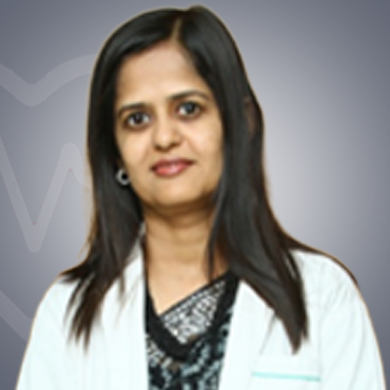
Dr Sonal Gupta
Neurosurgeon
29 Years of Experience
Dr. Sonal Gupta has an experienced neurosurgeon with more than 29+ years of clinical expertise. She is currently the Director, Neuro & Spine Surgery at Fortis Hospital, Shalimar Bagh. Before joining Fortis, she has been associated with various organizations such as Maharaja Agrasen Hospital, Action Balaji Hospital, and Max Hospital. View More
Last Reviewed - January 2026