Sarcoma Treatment in United Arab Emirates
- Top Accredited Hospitals
- Global Medical Standards
- Cutting-Edge Technology
- Proven Treatment Options
- High Success Rate
- Trusted by Millions

What is Sarcoma?
A cancerous tumour that occurs in bone or soft tissue is referred to as a sarcoma. Soft tissues support other structures of the body, including:
- Fat, muscle.
- Ligaments.
- Tendons.
- Cartilage.
- Blood vessels.
- Nerves.
Sarcomas are rare, occurring in approximately 1% of all cancers diagnosed in adults and 15% of all cancers diagnosed in children. Approximately 16,000 sarcomas are diagnosed yearly in the United States, comprising roughly 13,000 soft tissue and approximately 4,000 bone sarcomas.
Types of Sarcoma
A group of sarcoma cancers occurs in connective tissues, such as cartilage, muscles, fat, and bones. Sarcomas occur in two main types:
- Soft tissue sarcomas occur in the body's soft tissues, which include muscles, fat, blood vessels, nerves, and fibrous tissues. Some of the various types of soft tissue sarcomas include:
- Liposarcoma (tissue containing fat)
- Smooth muscle tissue, or leiomyosarcoma
- Bone skeletal muscle tissue rhabdomyosarcoma
- Sarcoma synovial (joint tissues)
- Angiovascular angiosarcoma
- (fibrous tissue) Fibrosarcoma
- Malignant peripheral nerve sheath tumour (MPNST)
- Bone sarcoma develops in the bones. Common types are:
- Osteosarcoma (bone)
- Chondrosarcoma (cartilage tissue)
- Ewing's Sarcoma (bone and soft tissue)
- Fibrosarcoma of bone tissue
What is the Importance of Timely Treatment?
Early treatment is necessary for cancer, particularly Transitional Cell Carcinoma (TCC), because it enhances prognoses, reduces the risk of metastasis, and prevents the cancer from spreading to other parts of the body.
Early intervention facilitates increased treatment modalities, less toxic medications, and higher survival rates. Delaying therapy may lead to more severe stages, which are more challenging to treat and harm the quality of life and prognosis. Enhancing the chance of recovery and long-term health demands early diagnosis and treatment.
What are the Common Symptoms of Sarcoma?
The following are common symptoms of sarcoma:
- A lump or swelling that initially might not be painful but later becomes painful.
- Pain in the area near the tumour site, especially if the tumour presses on nerves or muscles.
- Tiredness and overall ill feeling.
- Unexplained loss of appetite or weight loss.
- The affected area is limited in mobility or stiffness, especially in bone sarcomas.
- Bone pain or fracture if the cancer involves the bones.
- The tumour might be red or warm near the skin's surface.
Causes and Risk Factors of Sarcoma
Causes
While the specific cause of sarcoma is often not known, several variables can increase the risk, including:
- Genetic Factors: Inherited disorders, such as Li-Fraumeni syndrome, Gardner syndrome, and Von Recklinghausen disease (neurofibromatosis type 1), can increase sarcoma risk.
- Radiation Exposure: Sarcoma risk in the treated area can be increased by previous radiation treatment for other malignancies.
- Chronic Lymphedema: Swelling that persists due to lymphatic fluid obstruction, often after radiation or surgery, may increase the risk, particularly for angiosarcoma.
Risk Factors
Your chances of developing sarcoma can be higher because of various factors. Risk factors are:
- Chemical exposure: Arsenic and certain chemicals are required to manufacture wood preservatives (chlorophenols), herbicides (phenoxyacetic acid), and plastics (vinyl chloride monomer).
- Radiation: Excessive radiation exposure from earlier cancer treatments.
- Lymphedema: Protracted swelling of the arms or legs is called lymphedema.
- Genetic diseases: Certain genetic diseases and mutations in chromosomes, such as tuberous sclerosis, Li-Fraumeni syndrome, retinoblastoma, von Hippel-Lindau disease, Gorlin syndrome, Gardner syndrome, Werner syndrome, and neurofibromatosis type 1.
Connect with our advisor for a PRIORITY response
Latest Research and Technologies in the Treatment of Sarcoma in the United Arab Emirates
With advanced technologies and a tailored care method, sarcoma therapy has evolved in the United Arab Emirates. AI-driven radiation machines can now deliver real-time treatment customisation to enhance accuracy and minimise side effects. Robotic methods are also used to prepare chemotherapy doses safely and accurately. New radiation modalities like intensity-modulated radiation therapy and stereotactic radiosurgery are enhancing treatment effectiveness.
Sarcoma Prevention Tips
The following tips can prevent sarcoma:
- Limit unnecessary radiation exposure, including exposure from medical tests, and follow protection guidelines when undergoing radiation therapy.
- For surveillance and early detection, consider genetic counselling if you have a family history of genetic conditions that predispose you to sarcomas, like Li-Fraumeni syndrome or neurofibromatosis.
- Regular medical checkups can help identify potential sarcoma risks or signs.
- Consume a well-balanced diet rich in fruits, vegetables, and whole grains to enhance overall health and boost the immune system.
Treatment options for Sarcoma
Surgery is the main form of treatment for most sarcomas. Its goal is to remove the growth and a portion of healthy tissue around it to help destroy all the cancer cells.
Chemotherapy: For high-stage sarcomas or where the cancer is widespread. It can be utilised before surgery (neoadjuvant) to reduce tumours or after surgery (adjuvant) to eliminate any remaining cancer cells.
Cost Start From USD 800 - USD 6000Explore Options
Radiation Therapy: Typically applied to sarcomas not easily removed by surgery or spreading cancer. It may also be used before surgery to lower the chances of recurrence.
Brachytherapy, or internal radiation, is a treatment for sarcoma that has not spread. There are two ways of giving brachytherapy: intra-operative radiotherapy, which is given during surgery, and interstitial brachytherapy, which is provided through several catheters (plastic tubes) after surgery.
Cost Start From USD 5000 - USD 12000Explore Options
Targeted Therapy: Involves medications that selectively target cancer cells with less harm to normal tissues. It is commonly applied to certain sarcoma types with specific genetic mutations.
Cost Start From USD 5500 - USD 54000Explore Options
Immunotherapy: This recent approach enhances the body's immune system to combat cancer cells more effectively. It can be applied to some sarcomas, particularly in clinical trials.
{immunotherapy}- X-rays capture images of your body's soft tissues and bones with small amounts of radiation.
- A computed tomography (CT) scan produces cross-sectional images of your body by merging several X-ray images with computers.
- Magnetic resonance imaging (MRI) creates clear pictures of your internal organs with radio waves, large magnets, and a computer. If an X-ray shows something unusual, your doctor may order an MRI to get more detailed pictures.
- Bone scan: To identify bone illnesses such as bone sarcoma, your physician will inject a small amount of radioactive substance into your body.
- PET scan employs a unique glucose tracer that adheres to cells with high glucose levels, such as cancer cells. A PET scan reveals areas of your body with abnormally high glucose levels, which may indicate a tumour.
- Biopsy: Your doctor takes a tissue out of your tumour and sends it to a laboratory for analysis. A pathologist examines the tissue under a microscope to determine whether the tissue is a sarcoma. Your doctor can learn more about the type of sarcoma you have and potential treatments due to this analysis.
MediRehab (chain of Rehab centres - Part of MediGence) provides comprehensive rehabilitation services to support patients through Teleconsultations and online therapy sessions.
- Physical therapy: Assists in the recovery of mobility, strength, and flexibility, particularly after radiotherapy or surgery. It aids in function recovery, mainly when the sarcoma affects joints or muscles.
- Occupational therapy: Assists individuals in adapting to their daily routines and increasing their ability to perform tasks at work or home, especially after surgery or other treatments that affect motor skills.
- Depending on the situation, your healthcare professional may prescribe medicine to help control your symptoms and support the treatment plan.
Instantly Connect with our Specialists


Hospitals for Sarcoma in United Arab Emirates

NMC Specialty Hospital
Abu Dhabi, United Arab Emirates
NMC Specialty Hospital located in Abu Dhabi, United Arab Emirates is accredited by JCI. Also listed below are some of the most prominent infrastructural details:
- 104 Patient Rooms/Wards
- 7 Operating Rooms
- Laboratory endowed with centrally computerized System
- 24-hour Emergency Department
- 24-hour Pharmacy
- 24-hour Ambulance Services
- Radiology Department offering state-of-the-art equipment, including MRI (1.5 Tesla), 64-slice spiral CT Scanner, 4-D Ultrasound with color Doppler, Bone Densitometry, Digital Mammogram with CAD System, and Digital X-Ray Systems with fully integrated PACS

NMC Specialty Hospital, Al Nahda
Dubai, United Arab Emirates
NMC Specialty Hospital, Al Nahda located in Dubai, United Arab Emirates is accredited by JCI. Also listed below are some of the most prominent infrastructural details:
- 72 Patient Rooms
- 10 ICU Beds
- 10 NICU Beds
- 4 Operation Theatres
- Well-equipped Laboratory
- Radiology Department
- Smaller Medical Centers and Clinics in Dubai
- Advanced Technology used by the Hospital- a patient friendly closed MRI (1.5 tesla), 64 Slice - Dual Source Siemens Definition MDCT CT scanner, 4-D Ultrasound with Color Doppler, Digital Fluoroscopy, Mammogram, and Digital X - Ray systems backed by a fully integrated PACS system
- 24-hour In-house Pharmacy
- 24-hour Ambulance services

Thumbay University Hospital, Ajman
Ajman, United Arab Emirates
Thumbay University Hospital, Ajman located in Ajman, United Arab Emirates is accredited by JCI. Also listed below are some of the most prominent infrastructural details:
- The hospital has a 250 bed capacity.
- Excellent quality of healthcare facilities and services at par with developed countries.
- Multilingual and multinational healthcare professionals working in the Thumbay Hospital Ajman (belonging to 20 nations and fluent in 50 plus languages).
- Equipped with the newest facilities to ensure highest standards of healthcare delivery to patients at economical costs.
- Dedicated, compassionate and highly educated healthcare professionals work in Thumbay Hospital Ajman.
- Well developed diagnostic facilities are also available.
- A 24/7 functioning emergency care department and advanced facilities in Radiology.
- There is presence of an ultramodern Catheterization Lab (Cath Lab) and Electrosurgery Cryotherapy in dermatology, Interlocking intramedullary nailing.
- Also available under dental departments Panoramic, digital intra-oral X-rays, Cephalogram are present.
- Some of the important specialties in Thumbay Hospital Ajman are:
- Ear, nose, and throat
- Cardiovascular
- Bariatric surgery
- General surgery
- Urology
- Nephrology
Our Services to better your experience
Opinion & Option
We submit the most accurate opinion and options from one or more countries for your review
Consult Privately
Consult with a certified specialist privately on our telemedicine platform even before you decide to travel
Logistics
We handle flights, visas, transfers, and accommodation—so you can focus on your health.
Recovery
Our In-house rehabilitation service packages to better your recovery and treatment outcome
Why Choose the United Arab Emirates for Sarcoma Treatment?
The United Arab Emirates is famous for its excellent medical treatment, including the latest sarcoma treatment, at affordable rates. The latest technology, personalised treatment, and experienced physicians all help patients. Hospitals throughout the country provide a range of treatments, such as radiation, chemotherapy, and surgery. The United Arab Emirates is an attractive destination for sarcoma treatment because it has global accreditation and professional care.
Frequently Asked Questions
Most of the sarcomas in the United Arab Emirates occur in young individuals and children, particularly individuals between 10 and 30 years of age. This group is more prone to develop some forms of sarcomas, such as Ewing's sarcoma and rhabdomyosarcoma. Old individuals, particularly those above 50, also produce some forms of sarcoma, like osteosarcoma. The age at diagnosis can vary depending on the specific sarcoma type.
If the tumour is small and wholly excised, surgery is the United Arab Emirates' primary sarcoma therapy. The first therapy usually involves surgical excision of the tumour and some adjacent normal tissue. This can improve the patient's long-term survival rate, particularly in early-stage sarcomas.
The extent of the tumour, its location, and whether the cancer has spread to other areas influence the success of surgery. It is commonly employed with other treatments, including radiation or chemotherapy, to maximise the outcome.
Yes, chemotherapy is commonly used in the United Arab Emirates to treat sarcoma, particularly when the cancer has already spread to other areas of the body or is advanced. Chemotherapy is often employed as an adjuvant treatment (following surgery) to eliminate any remaining cancer cells or as a neoadjuvant treatment (before surgery) to shrink the tumour.
In addition, it is applied to enhance the effectiveness of other therapies for certain sarcoma types, including rhabdomyosarcoma and Ewing's sarcoma. The stage and type of sarcoma decide what drugs are given as chemotherapy.
In the United Arab Emirates, sarcoma can recur after treatment, especially if it is left partially eliminated or is diagnosed at an advanced stage. Local recurrences may spread to other parts of the body. Routine follow-ups ensure early detection. The likelihood of recurrence is based on the type of sarcoma and the success of past treatment.
The location, stage, and type of sarcoma and the treatment plan typically dictate how long sarcoma treatment lasts in the United Arab Emirates. Although recovery can take weeks, surgery can last only a few hours. Treatments are given every few weeks during rounds of chemotherapy, which last three to six months. Radiation therapy sessions are typically four to six weeks of daily sessions.
Yes, you can get a second opinion on Sarcoma treatment in the United Arab Emirates through MediGence. With MediGence, you can connect with highly experienced professionals from top UAE hospitals who can provide additional information regarding your diagnosis and treatment options. The platform facilitates easy access to professional help so you can make informed healthcare choices and receive the best care possible.
To find a certified cancer specialist, search MediGence’s website, which offers a list of top-class and internationally trained oncologists from the best hospitals in the UAE. Through MediGence, you can search the profiles of specialists, check their credentials, reviews, and experience, and book online consultations. To get the best care for your condition, the website also assists you in finding the best hospitals and provides personalised assistance for your health requirements.

Reviewer
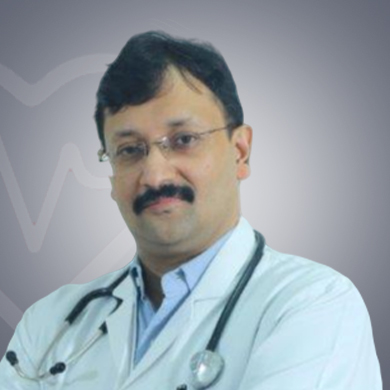
Dr. Mohit Agarwal
Medical Oncologist
14 Years of Experience
One of the finest Oncologist in New Delhi, India, Dr. Mohit Agarwal has worked with several world class multidisciplinary hospitals over the years. Dr. Mohit Agarwal has over 14+ years of experience in his field. The doctor treats and manages a wide range of conditions such as Stomach Cancer, Rectal Cancer, Breast Cancer, Brain Cancer View More
Last Reviewed - January 2026