Pulmonary Atresia Treatment in India
- Top Accredited Hospitals
- Global Medical Standards
- Cutting-Edge Technology
- Proven Treatment Options
- High Success Rate
- Trusted by Millions

What is Pulmonary atresia?
A congenital defect of the heart is called pulmonary atresia. It is, therefore, a congenital cardiac defect. The valve that facilitates blood flow from the heart to the lungs malfunctions in this illness. The valve is called the pulmonary valve.
A solid sheet of tissue forms in place of an opening and closing valve. Because of this, blood cannot usually acquire oxygen from the lungs. Instead, other natural channels within the heart and its arteries carry some blood to the lungs.
These additional routes are necessary for a developing fetus. However, they often close shortly after delivery. As a potentially fatal disorder, pulmonary atresia requires immediate medical attention.
What is the Importance of Timely Treatment?
As pulmonary atresia is a congenital heart abnormality that involves the underdevelopment or absence of the pulmonary valve, which prevents blood flow from the heart to the lungs, timely intervention is essential to avoid serious problems.
To restore normal blood flow, lessen cardiac strain, and prevent heart failure, early intervention, often by surgery or catheter-based procedures, is important. Growth delays, respiratory distress, and cyanosis are among the potentially fatal complications that might result from postponing therapy.
Immediately treating the illness can lower the risk of long-term consequences, such as pulmonary hypertension, improve quality of life, and increase the likelihood of normal development.
What are the Common Symptoms of Pulmonary atresia?
Pulmonary atresia symptoms might include the following and typically show in the first few hours or days of a baby's life:
- Breathing quickly
- A bluish tint to the skin, particularly on the fingers, toes, and lips
- Clammy, pale or cool skin
- Breathing issues
- Fatigue or exhaustion
- Irritability
- Poor feeding
Causes, Risk Factors and Complications of Pulmonary atresia
Causes
- Pulmonary atresia has no known cause. The baby's heart forms and begins to beat throughout the first six weeks of pregnancy.
- During this critical time, the main blood arteries that supply and drain the heart also start to form. A congenital heart condition like pulmonary atresia might begin to appear at this stage of a baby's development.
Risk Factors
Risk factors consist of:
- Obesity.
- Use of tobacco or alcohol.
- Diabetes.
- Pregnancy-related use of some medications, such as blood pressure and acne medications.
Specific congenital cardiac abnormalities run in families. They are inherited as a result.
Complications
Pulmonary atresia complications can include:
- Infectious endocarditis is a bacterial infection of the heart's inner lining and valves
- Arrhythmias are irregular heartbeats
- Impairment of cardiac function
Connect with our advisor for a PRIORITY response
Latest Research and Technologies in the Treatment of Pulmonary atresia
- Recent developments in managing pulmonary atresia aim to increase the accuracy of therapies and improve early detection. Less invasive alternatives to standard surgery are provided by catheter-based techniques such as balloon valvuloplasty and stenting, which will enhance lung blood flow while requiring less recovery time.
- By targeting the genetic roots of the ailment, gene therapy research seeks to provide individualised treatment. Furthermore, regenerative medicine, which includes tissue engineering and stem cell therapy, can potentially transform long-term treatment for pulmonary atresia by manufacturing new valves and rebuilding heart tissue.
- These developments lower risks, enhance results and promise more tailored, efficient therapies.
Pulmonary atresia Prevention Tips
The risk of congenital heart abnormalities in your unborn child may be reduced by specific actions you take before or during pregnancy. Among them are:
- Manage other medical conditions
- Avoid smoking and stay away from smokers
- Try to maintain a healthy weight
- Get the recommended immunisations
Treatment options for Pulmonary Atresia
Balloon atrial septostomy: The natural opening in the wall between the heart's upper chambers is enlarged using a balloon. The foramen ovale, as this hole is known, usually closes shortly after birth. Enlarging the hole facilitates blood flow from the right to the left side of the heart.
Cost Start From USD 2000 - USD 5000Explore Options
Angioplasty: Treatment for pulmonary atresia may involve angioplasty, especially if the pulmonary arteries are constricted.
Cost Start From USD 1800 - USD 3800Explore Options
Bi-directional Glenn Shunt procedure: This procedure facilitates blood flow. It encourages the growth of the right ventricle by joining a big vein to the pulmonary artery and another vein to the right side of the heart.
Fontan Procedure:This treatment may be used by surgeons to create a link if the right lower heart chamber remains too tiny to function. The channel allows the pulmonary artery to receive most, if not all, of the blood that enters the heart.
Cost Start From USD 5000 - USD 9000Explore Options
Heart Transplant: Sometimes, the damage done to the heart is too significant to repair. A heart transplant might then be required.
Cost Start From USD 55000 - USD 65000Explore Options
- Pulse oximetry: A sensor applied to the fingertip measures the blood's oxygen content.
- Chest X-ray: The size and shape of the heart and lungs are visible on a chest X-ray.
- EKG, or electrocardiogram: This rapid and straightforward examination captures the heart's electrical activity. It displays the heart's rhythm.
- Echocardiogram: This test creates images of the beating heart using sound waves. The primary test used to diagnose pulmonary atresia is typically an echocardiography.
- Cardiac catheterisation: The test can give specific blood flow and cardiac function details.
Important rehabilitation strategies consist of:
Cardiac Rehabilitation: This program consists of supervised exercise, education, and counselling to control the effects of pulmonary atresia. Its goal is to enhance heart function and endurance.
Physical therapy: Assists in increasing mobility and strength and treating any physical restrictions brought on by the illness or its treatments, such as surgery.
Respiratory Therapy: Particularly for patients who may have trouble breathing or require more support because of decreased blood supply to the lungs, respiratory therapy helps to improve lung function, breathing skills, and oxygenation.
Nutritional Support: Ensuring adequate nourishment is essential for children and newborns to promote growth and healing.
To maintain the ductus arteriosus open, medication may be administered intravenously. Pulmonary atresia cannot be treated with this method in the long run. However, it allows medical specialists more time to determine the best operation or procedure.
Instantly Connect with our Specialists


Hospitals for Pulmonary Atresia in India
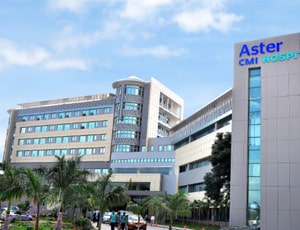
Aster CMI Hospital
Bangalore, India
Aster CMI Hospital located in Bengaluru, India is accredited by JCI, NABH. Also listed below are some of the most prominent infrastructural details:
- Around 500 bed capacity
- Primary care to Quaternary care services
- Outpatient and inpatient departments
- Day care center for small children
- Availability of Surgical suites
- Intensive Care Units
- 24-hour Emergency and Trauma Care
- Emergency Unit especially for children
- Newly launched the Lung and Heart Transplant Centre
- Video Consultation with doctors available on GraphMyHealth
- A specialised Aster Center of Excellence for Women & Children
- Latest Minimally Invasive Procedures being performed
- Safe Interventional Procedures
- Control of Infection protocols are strictly followed
- Aster Holistic Collaborative Care: Aster Palliative Care for lowering suffering if critically ill patients, Physical Medicine & Rehabilitation, Aster Wellness, Psychology, Chronic Pain Management, Nutrition & Dietetic, Podiatry Care etc.
- 11 Centers of Excellence
- An academics focus with BSc Program, MEM Program, Pediatric Fellowship Program
- A streamlined International patient care center with dedicated services and technology enabled processes

Max Super Specialty Hospital, Vaishali
Ghaziabad, India
- Max Super Speciality Hospital, Vaishali, Ghaziabad, is a leading multi-speciality hospital with 387+ beds and 37+ clinical specialities, offering advanced care in Cardiology, Neuro Sciences, Oncology, Orthopaedics, Transplants, Gastroenterology, and Reconstructive Surgery.
- Supported by 389+ doctors and 1038+ trained staff, the hospital combines state-of-the-art technology, including robotic surgery and advanced imaging systems, with compassionate, patient-centred care.
- Accredited by NABH and NABL, Max Vaishali is a trusted destination for both domestic and international patients seeking high-quality, integrated medical services.

Batra Hospital
Delhi, India
- More than 35 years of trusted healthcare service
- Multi-specialty tertiary care with over 30 departments
- Comprehensive preventive, diagnostic, and therapeutic care under one roof
- International patient coordination team for seamless overseas care
Our Services to better your experience
Opinion & Option
We submit the most accurate opinion and options from one or more countries for your review
Consult Privately
Consult with a certified specialist privately on our telemedicine platform even before you decide to travel
Logistics
We handle flights, visas, transfers, and accommodation—so you can focus on your health.
Recovery
Our In-house rehabilitation service packages to better your recovery and treatment outcome
Why Choose India for Pulmonary Atresia Treatment?
Here are some of the reasons for choosing India:
- Due to advancements in medical facilities, such as minimally invasive surgical techniques.
- World-class experts include highly experienced doctors, JCI, and NABH-accredited healthcare institutions.
- Compared to other countries, treatment in Indian hospitals is cost-effective.
- Indian hospitals provide International patient services, including a multilingual support system.
- Improved treatment methods and biological therapies.
Frequently Asked Questions
Because pulmonary atresia lowers oxygen levels, it is lethal if left untreated. However, your healthcare practitioner can treat your newborn to enhance oxygen circulation if they diagnose it before or after the baby is born. Your infant can require multiple procedures at various ages to maintain getting better.
The severity of the ailment and the effectiveness of the treatment determine the prognosis. Many people can lead active, everyday lives with timely and effective treatment, but long-term monitoring is required.
The chance of recurrence is minimal when blood flow is restored, or the pulmonary valve is surgically repaired. However, routine examinations are required to monitor for any possible issues, like blood vessel narrowing or valve failure.
Regular follow-up visits with a pediatric cardiologist, cardiac function monitoring, addressing any problems like arrhythmias or pulmonary hypertension, and maybe more surgeries or treatments as the kid gets older are all part of long-term therapy.
Due to low oxygen levels, infants with untreated pulmonary atresia may have developmental delays, stunted growth, and trouble gaining weight. Normal growth and development, however, can frequently be attained with early intervention.
In India, pulmonary atresia often has a good treatment success rate, mainly when diagnosed early and treated on time. In reputable cardiac institutions, the success rate for surgical procedures ranges from 85% to 95%. Many patients can anticipate positive long-term results due to improvements in post-operative care, catheter-based therapies, and surgical technique developments.
Monitoring heart function and treating any possible problems require routine follow-ups.

Reviewer

Dr. Akash Khandelwal
Hematologist
9 Years of Experience
Dr. Akash Khandelwal is a distinguished Hematologist, Hemato-oncologist, and Bone Marrow Transplant (BMT) Physician with extensive training from the prestigious AIIMS New Delhi. His expertise encompasses a wide range of specialized techniques in bone marrow transplantation, including autologous and allogeneic transplants such as matched sibling donors, matched unrelated donors (MUD), and haploidentical donor transplants. Dr. Khandelwal has personally supervised and conducted over 100 bone marrow transplants. View More
Last Reviewed - January 2026