Polyposis Syndrome Treatment in India
- Top Accredited Hospitals
- Global Medical Standards
- Cutting-Edge Technology
- Proven Treatment Options
- High Success Rate
- Trusted by Millions

What is Polyposis Syndrome?
Polyposis Syndrome is not just one syndrome, but rather a family of disorders within which there is a manifestation of multiple polyps (growths) occurring in the gastrointestinal (GI) tract, especially in the colon and rectum. These polyps differ in size and number, with many termed "benign" polyps (non-cancerous) and the risk of some becoming malignant with time. Early diagnosis and management become essential to avoid any serious complications that would result in colorectal cancer.
What is the Importance of Timely Treatment?
- Preventing Cancer: Polyposis Syndromes are highly familiar adenomatous polyposis with the maximum risk of colorectal cancer. If one is going to delay the therapy, it is almost a foregone conclusion that cancer is going to occur. Early intervention, such as removing polyps through regular screenings, helps prevent the cancer from developing.
- Severity of Complications: The unchecked polyps cause complications like bleeding, bowel obstruction, and colon perforation. Polyp removal at the right time would minimise these risks and prevent severe outcomes.
- Better Outlook: The faster polyps are found, the better the chance for bowel preservation and the less drastic measures that need to be taken, such as colorectal surgery (ie, colectomy). Early treatment frequently offers quality of life and longer life expectancy improvements.
- Genetic Counseling: Early diagnosis allows affected persons and their families to access much-needed genetic counselling. Knowing one's physical genetic predisposition guides preventive measures, including regular screening of family members who might also be involved.
- Under Improved Management and Surveillance: With regular and on-time treatment, patients can be kept within close monitoring parameters and polyp removal can be done before cancer stages are reached. This lends itself to a life of fewer health concerns and better management of the condition.
What are the Common Symptoms of Polyposis Syndrome?
- Abdominal Pain or Cramping
- Blood in Stool or Rectal Bleeding
- Changes in Bowel Habits
- Unexplained Weight Loss
- Fatigue and Anemia
- Iron Deficiency
- Mucocutaneous Pigmentation
Causes and Risk Factors of Polyposis Syndrome
Causes
- Genetic Mutations
- Autosomal Dominant Inheritance
Risk Factors:
- Family History
- Age
- Inherited Syndromes
- Race and EthnicityPeutz
- Personal Health History
- Other Genetic Conditions
Connect with our advisor for a PRIORITY response
Latest Research and Technologies in the Treatment of Polyposis Syndrome in India
- Genetic Testing and Counseling: It is going forward in India to detect polyposis syndromes early for early interventions in cancer prevention and personalised care. Genetic counselling is also essential in guiding at-risk families towards preventive measures.
- Minimally Invasive Surgery: Laparoscopic, as well as robotic surgery, are increasingly being used in India for polypectomy and colectomy. Such methods offer speedy recovery, low morbidity rates, and much advancement for a patient suffering from polyposis syndromes.
- Targeted Therapies and Chemoprevention: Studies for novel drugs like Celecoxib show promise in the regression of polyps and risk for cancer incidence. Research activities on targeted approaches to polyposis syndrome from Indian researchers are being directed toward preventing malignancy and improving patient outcomes over a long period.
- Artificial Intelligence in Diagnosis: Improved accuracy in diagnosis was introduced by AI to allow the early detection of polyps through colonoscopy. There is also the development of machine learning tools for predicting cancer risk so that timely intervention and more patient-centred treatment may be possible.
Treatment options for Polyposis Syndrome
Colectomy : It is reserved for severe cases, particularly FAP or other high-risk syndromes, to prevent colorectal cancer. The surgeon may then create a permanent ileostomy or ileo-anal pouch to help the patient regain bowel function following the colon's removal.
Cost Start From USD 5500 - USD 7500Explore Options
Pollectomy: Polyps are commonly removed endoscopically by polypectomy or mucosal resection during colonoscopies. Such an approach is less invasive while helping to avert the progression of polyps to cancer.
These are the standard diagnostic methods for diagnosing Polyposis Syndrome:
- Family History: A comprehensive family history of different polyposis syndromes and colorectal cancers is essential for diagnosing such inherited variations of disease. Many cases of polyps or early-onset colorectal cancer in the family might be an indication towards genetic testing as well as early screening of family members.
- Imaging Studies:
- Colonoscopy is the gold standard for the detection of colonic and rectal polyps. In this procedure, the doctor inserts a flexible tube with a camera into the colon to find polyps. For known genetics, it is recommended that the patient undergo early and frequent colonoscopies, generally in adolescence or early adulthood, depending on the particular syndrome.
- CT Colonography (Virtual Colonoscopy): This non-invasive imaging method produces detailed pictures of the colon and rectum using CT scanning. It may be used on patients who cannot undergo traditional colonoscopy or as an adjunct tool.
- MRI: The MRI may detect polyps in other sites, such as the stomach or small intestine, especially in syndromes like Peutz-Jeghers Syndrome, where multiple polyps can form all along the GI tract.
- Endoscopic Ultrasound (EUS): EUS combines endoscopy and ultrasound to visualise the gastrointestinal tract and related tissues. It may be further helpful in evaluating polyps in the stomach, duodenum, or small intestine and assessing any adjacent tissue involvement in extensive polyposis syndromes.
- Blood Tests: Blood tests can be done to evaluate anaemia (which can arise from bleeding polyps), liver function, or other signs of complications arising from polyposis. Blood tests are not diagnostic for polyposis syndrome except as part of the overall assessment.
MediRehab (a chain of Rehab centres, part of MediGence) provides comprehensive rehabilitation services designed to support patients in India. Additional services are as per the patient's requirement. These services include:
- Physical Therapy: After operations like a colectomy, physical therapy will help patients gain strength and movement and relearn how to cope with other changes such as bowel function. The patient may also undergo pelvic floor therapy to rehabilitate urinary and bowel function.
- Nutritional Counseling: Patients learn how to manage malabsorption and adequate nutrition through dietitians after surgical procedures with this reduced bowel capacity or with some having their intestine as a stoma.
- Psychological Support: Significant emotional support is granted to patients undergoing major surgeries. Such patients may undergo psychological counselling, support groups, or different stress management techniques to alleviate their anxieties, thereby putting them at ease psychologically.
- Pain Management: Patients undergoing significant surgeries must respond to chronic pain. There are several ways to relieve pain, including physical therapy, medication, and complementary therapies such as acupuncture or massage.
- Long-term care follow-up: Regular follow-ups and monitoring are vital to analyse the recurrence of the polyps or detect other complications. These rehabilitation services would help the patient manage their health and make a long and smooth adjustment to life after treatment.
The medications prescribed for polyposis syndrome are mainly to lessen the growth of the polyps and inhibit complications. Chemo-preventive agents and immunosuppressive medications are used to treat their symptoms. In advanced cases, chemotherapy or targeted therapy may be used if polyps lead to cancer.
Instantly Connect with our Specialists


Hospitals for Polyposis Syndrome in India

Fortis La Femme, Greater Kailash II
Delhi, India
Fortis La Femme, GK II, is a boutique multi-speciality hospital dedicated to women’s health, offering personalised and compassionate care. With 36 beds, it combines a patient-centric approach with an elegant, comfortable environment. The hospital provides a wide range of services, including Obstetrics with painless labour, Gynaecology and General Surgery using minimal access laparoscopic techniques, Fertility and IVF treatments, Neonatology with a Level III NICU, Onco Surgery for breast and gynaecological cancers, Cosmetology and Cosmetic Surgery, Endocrinology, Internal Medicine, Foetal Medicine, ENT, and Clinical Nutrition — all tailored to meet women’s unique healthcare needs.

Shanti Mukand Hospital
Delhi, India
Shanti Mukand Hospital located in New Delhi, India is accredited by ISO, NABH. Also listed below are some of the most prominent infrastructural details:
- Most medical and surgical disciplines are covered in the hospital in terms of treatment.
- The diagnostics of the hospital are up to date with the latest technologies in a specialised dedicated wing called as SMH Imaging Center.
- Some important specialties available in the hospital are Orthopedics, Oncology (SMH Cancer Center), Neurology, Cardiac Care, Pediatrics etc.
- Physiotherapy services are available for patients.
- There is a specific Dialysis unit known as SMH Dialysis Center.
- There is a bed capacity of 200.
- Modular Operation theatres as well as provisions for minimally invasive procedures.
- Critical care and emergency care departments are also present.

VPS Lakeshore Hospital
Kochi, India
VPS Lakeshore Hospital located in Kochi, India is accredited by NABH. Also listed below are some of the most prominent infrastructural details:
- Advanced hi-tech healthcare facility
- Innovative diagnostic & therapeutic medical technologies
- Diagnostic endoscopy of nose, esophagoscopy, Laryngoscopy, Bronchoscopy
- Cardiac department- Coronary Artery Bypass Grafting, Total Arterial Coronary Revascularization, Heart Valve Repairs and
- Replacements, Surgery for Heart Failure, Intracardiac Repair of Congenital Anomalies of the Heart, Surgery for Atrial Fibrillation
- Neurosurgery department: Keyhole Surgery for disc & other spine disorders, such as Spine Tumors, Navigation-guided, and Endoscopic Brain Tumor Surgery, Minimally invasive Brain Surgery, Advanced Head Injury Management with the ICP Monitoring
- State-of-the-art-hemodialysis Units
- Kidney Transplantation is done with Laparoscopic Donor Nephrectomy
- 24 hour rapid TAT team equipped with four specialists have increased survival and decreased patient morbidity
- Joint preservation techniques include autologous chondrocyte implantation
- Cutting edge operation theaters & world-class transplant ICUs
- Urology department: 3D Laparoscopy, Minimally Invasive Surgery, Ureteroscopy, RIRS, Endourology: PCNL
- Objective swallowing evaluation services such as functional endoscopic evaluation of Swallowing & Video Fluoroscopic Swallow
Our Services to better your experience
Opinion & Option
We submit the most accurate opinion and options from one or more countries for your review
Consult Privately
Consult with a certified specialist privately on our telemedicine platform even before you decide to travel
Logistics
We handle flights, visas, transfers, and accommodation—so you can focus on your health.
Recovery
Our In-house rehabilitation service packages to better your recovery and treatment outcome
Why Choose India for Polyposis Syndrome Treatment?
The following are the much-growing reasons for India being frequented for Polyposis Syndrome treatment:
- World-Class Health Services at Affordable Costs: The nation is proficient in advanced medical technologies and treatments, including high-quality care at often dissimilar cost ratios of Western countries.
- Most Qualified Professionals: Patients will find internationally trained, renowned hepatologists, surgeons, and specialists. Medical and individualised treatment options will complement the value of the care provided by the best experts in India.
- Complete Medical Services: From advanced diagnostic tools such as elastography and imaging to liver transplants, India has gone the extra mile to provide patients with cutting-edge facilities for total Polyposis Syndrome treatment.
- Easy Medical Tourism: India is becoming a central international hub for medical tourism. Many accredited hospitals provide excellent service to international patients, including easy accessibility, visa assistance, and organised packages.
- Holistic Treatment: Most hospitals in India work towards a mainstream plus traditional treatment regime, including even Ayurvedic treatments, for complete liver health recovery and wellness, thus attending to emotional and physical wellness.
Frequently Asked Questions
Yes, if not treated, Polyposis Syndrome can have serious outcomes such as colorectal cancer. It can also offer a propensity for gastric and small bowel cancers. Regular screenings and polyp removals can significantly lower these odds.
Polyposis cannot be entirely prevented, but regular examinations and early interventions can minimise a person's risk of developing polyps that eventually turn carcinogenic. Genetic counselling is crucial for family members to know their risks and begin early monitoring.
Yes, most types of Polyposis Syndrome are inherited in an autosomal dominant pattern, meaning that if one parent carries the mutated gene, the child has a 50% chance of inheriting the condition.
Polyposis significantly increases the risk for colorectal cancer. If polyps are not removed, the chances for an eventual malignant transformation into cancer are high. Detection of polyps at an early age and their removal might prevent such transformation into cancer.
The interval for screening depends on the type of polyposis and individual risk factors. Colonoscopy is generally recommended starting at adolescence or early adulthood based on syndrome type and may be required every 1-2 years.
The prognosis is excellent if they are diagnosed early and given proper management. Regular surveillance and removal of polyps can prevent cancer, allowing patients to live everyday life. Otherwise, management failure leads to a significant increase in the risk of cancer and other complications.
Patients in India with Polyposis Syndrome should begin regular screening from early adolescence onwards based on their family history and genetic predisposition. Generally, for most, colonoscopy frequency remains every 1-2 years, starting at 10-15 years, especially for those with Familial Adenomatous Polyposis (FAP).
Yes, children with a family history of Polyposis Syndrome are often investigated at an earlier age for any pertinent genetic mutations for the condition. Depending on family history, genetic testing and screening usually commence from early adolescence or even childhood.
Author

Dr. Shagufta Parveen
Dr. Shagufta Parveen is a Clinical researcher and medical writer with expertise in clinical pharmacology and pharmacotherapeutics. She holds a B.Pharm and Doctor of Pharmacy (Post-Baccalaureate) degree from Teerthanker Mahaveer University, Moradabad.
During her clinical stint at BLK-Max Super Speciality Hospital and Indraprastha Apollo Hospital, she gained hands-on experience in the Clinical Pharmacology Department. Combining scientific knowledge with strong medical writing skills, Dr. Shagufta develops evidence-based healthcare content, treatment guides, and patient education resources.
Her work focuses on simplifying complex medical concepts while maintaining scientific accuracy, helping readers better understand healthcare advancements and treatment options.
In addition to her writing expertise, she is actively involved in scientific research and has contributed to peer-reviewed publications.
Her research work is accessible through the following links:
https://scholar.google.com/citations?user=lMVK1eIAAAAJ&hl=en
https://carcinogenesis.com/index.php/JOC/article/view/870
https://carcinogenesis.com/index.php/JOC/article/view/868
https://wjpsronline.com/abstract/0000000760
View MoreReviewer
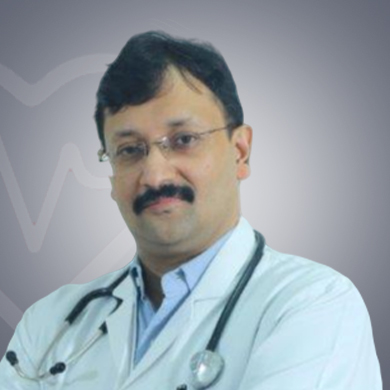
Dr. Mohit Agarwal
Medical Oncologist
14 Years of Experience
One of the finest Oncologist in New Delhi, India, Dr. Mohit Agarwal has worked with several world class multidisciplinary hospitals over the years. Dr. Mohit Agarwal has over 14+ years of experience in his field. The doctor treats and manages a wide range of conditions such as Stomach Cancer, Rectal Cancer, Breast Cancer, Brain Cancer View More
Last Reviewed - January 2026