Peripheral Vascular Disease Treatment in United Arab Emirates
- Top Accredited Hospitals
- Global Medical Standards
- Cutting-Edge Technology
- Proven Treatment Options
- High Success Rate
- Trusted by Millions

What is Peripheral Vascular Disease?
Peripheral Vascular Disease (PVD) is a broad term for disorders that affect blood vessels outside the heart and brain, especially those supplying or draining the limbs. Peripheral Artery Disease (PAD) involves narrowed or blocked arteries, commonly due to atherosclerosis, which reduces blood flow to the limbs. Peripheral venous disorders affect blood return to the heart and may cause leg swelling, heaviness, varicose veins, skin changes, or ulcers. Symptoms and treatment depend on the type and severity of the underlying vascular condition.
What is the Importance of Timely Treatment?
Timely evaluation helps determine whether symptoms stem from reduced arterial blood flow, venous circulation problems, blood clots, or another vascular condition. Appropriate treatment can help relieve symptoms, improve mobility, prevent wounds and tissue damage, and reduce the risk of serious complications. Sudden loss of blood flow to a limb or symptoms suggestive of a deep vein thrombosis or pulmonary embolism require urgent medical assessment.
What are the Common Symptoms of a Peripheral Vascular Disease?
- Leg Pain or Cramping: Arterial disease may cause aching or cramping during walking that improves with rest, while venous disease may cause heaviness or discomfort after prolonged standing.
- Leg Swelling: Venous circulation problems can cause swelling around the ankles, feet, or legs, especially after prolonged standing.
- Numbness or Weakness: Reduced arterial blood flow may cause numbness, weakness, or unusual sensations in an affected limb.
- Skin Colour or Temperature Changes: Poor circulation may make a limb unusually pale, bluish, red, or colder than the other side.
- Varicose Veins or Visible Veins: Damaged or weakened veins may become enlarged, twisted, or more visible beneath the skin.
- Slow-Healing Wounds: Reduced arterial blood flow or advanced venous disease can contribute to persistent ulcers or wounds that heal slowly.
Causes and Risk Factors of Peripheral Vascular Disease
Causes
- Atherosclerosis: Fatty deposits can build up inside arteries and restrict blood flow.
- Blood Clots: A clot can block an artery or vein and disrupt normal circulation.
- Chronic Venous Insufficiency: Damaged or weakened vein valves can cause blood to pool in the lower limbs.
- Varicose Veins: Enlarged and dysfunctional veins can contribute to chronic venous symptoms.
- Vascular Injury: Trauma or previous vascular procedures may damage blood vessels.
- Inflammatory Vascular Disorders: Conditions affecting the blood-vessel walls can cause narrowing or other circulation problems.
- Congenital Vascular Abnormalities: Some people are born with structural abnormalities affecting blood vessels.
- Compression of Blood Vessels: Certain anatomical or structural conditions can interfere with normal circulation.
Risk Factors
- Smoking or tobacco exposure
- Diabetes
- High blood pressure
- High cholesterol
- Older age
- Obesity
- Physical inactivity
- Chronic kidney disease
- Previous cardiovascular disease
- Family history of vascular disease
- Previous blood clots
- Prolonged immobility or periods of limited movement
Latest Research and Technologies in the Treatment of Peripheral Vascular Disease in the United Arab Emirates
- Modern vascular care may combine medical management, advanced vascular imaging, minimally invasive procedures, surgery, and wound-care services according to the underlying condition. For arterial disease, selected patients may benefit from endovascular procedures such as angioplasty, stenting, or other vessel-treatment techniques. Patients with complex vascular disease or non-healing wounds may require coordinated care from vascular specialists, wound-care teams, and rehabilitation professionals.
Treatment options for Peripheral Vascular Disease
Compression Therapy: This is the first-line, non-surgical standard of care for chronic venous insufficiency and varicose veins, reducing venous pooling.
Radiofrequency Ablation (RFA) : This technique uses high-frequency radiofrequency energy delivered via a specialised catheter to heat, damage, and permanently fibrose the vein's inner lining.
Sclerotherapy : A doctor injects a specialised liquid or foamed chemical solution (sclerosant) directly into the target vein, causing the vessel walls to swell, stick together, and clot shut.
Microphlebectomy: A vascular specialist makes a series of tiny, millimetre-sized skin punctures and uses a micro-hook to physically pull out bulging, superficial veins piece by piece.
- Clinical assessment:
- Medical History: Assessment includes pain, swelling, walking limitations, skin changes, previous blood clots, smoking, diabetes, cardiovascular disease, previous vascular procedures, and relevant family history.
- Physical Examination: A doctor may assess pulses, limb temperature, skin colour, swelling, varicose veins, ulcers, capillary refill, and other signs of abnormal circulation.
- Ankle-Brachial Index (ABI): Compares ankle and arm blood pressure and is commonly used to assess suspected lower-extremity arterial disease.
- Toe-Brachial Index (TBI): May be useful when arterial calcification makes ABI results difficult to interpret.
- Venous Assessment: Clinical examination may evaluate swelling, varicose veins, skin changes, and other findings associated with chronic venous disease.
- Blood Tests: Selected tests may assess cholesterol, blood glucose, kidney function, blood counts, or clotting-related factors depending on the suspected condition.
- Imaging Tests:
- Duplex Ultrasound: Uses ultrasound to evaluate blood flow and can assess both arterial obstruction and venous disease.
- CT Angiography (CTA): Provides detailed images of arteries and can assist planning for selected vascular procedures.
- MR Angiography (MRA): Provides detailed vascular imaging without ionising radiation and may be used in selected patients.
- Venous Doppler Ultrasound: Helps identify deep vein thrombosis, venous reflux, and other abnormalities of venous circulation.
- Catheter Angiography: Provides detailed arterial imaging and may be performed when considering an endovascular procedure.
- Intravascular Imaging: In selected interventions, technologies such as intravascular ultrasound may help assess vessel anatomy and guide treatment.
MediRehab (a chain of Rehab centres, part of MediGence) provides comprehensive tele-rehabilitation services designed to support Peripheral Vascular Disease patients in the United Arab Emirates. These services include:
- Structured Exercise Therapy: Walking and other structured exercise programmes can improve functional capacity in selected patients with arterial disease.
- Gradual Activity Progression: Increase physical activity according to symptoms, vascular status, treatment history, and medical advice.
- Walking Training: Structured walking programmes may help improve walking distance in patients with intermittent claudication.
- Limb Elevation: Elevating the legs may help reduce swelling in selected venous conditions.
- Compression Management: Patients prescribed compression therapy should use it as advised by their clinician and based on their underlying vascular condition.
- Long-Term Follow-Up: Regular vascular assessments can help monitor circulation, symptoms, wounds, swelling, and treatment response.
- Medicines depend on the type of peripheral vascular disease and the patient's individual risks. Antiplatelet medicines may be prescribed for selected patients with symptomatic arterial disease, while anticoagulants are used when indicated for conditions such as deep vein thrombosis or other thromboembolic disorders. Blood-pressure medicines, and diabetes treatments may help reduce cardiovascular risk. Venous disease may require medicines in selected situations, although compression and treatment of the underlying venous problem are often important components of care.
Instantly Connect with our Specialists


Hospitals for Peripheral Vascular Disease in United Arab Emirates

Zulekha Hospital Dubai
Dubai, United Arab Emirates
- A highly skilled multidisciplinary medical staff supports patients through the hospital's advanced diagnostic capabilities, joint replacement surgeries, cardiac catheterisation, neonatal intensive care, and specialised cancer care and rehabilitation services. The hospital uses the latest technology and is internationally accredited for providing quality healthcare based on scientific evidence, providing safe, high-quality care to patients, providing individualised treatment plans, and providing services to international patients.

Burjeel Medical City
Abu Dhabi, United Arab Emirates
The Hospital owns an International Patient Services Team that is responsible to assist international patients with world-class healthcare, transportation arrangement, accommodation facilities, language interpreters, and much more.
Burjeel Medical City (about 1.2 million square facilities)provides 7-star hospitality to its patients. It has the largest facility space bed among all the private hospitals. The Hospital consists of-
- Large waiting areas and consultation rooms
- Spacious lobbies on each floor
- 338 Luxurious Patient Rooms
- 70 Ambulatory Rooms
- Intensive Care Units
- The Hospital comprises various centers, under Burjeel Cancer Institute-
- Breast Center
- Uro-oncology Center
- Surface Malignancy Center (HIPC)
- Head & Oncology Center
- Medical Oncology & Hematology Center and others

Kings College Hospital Dubai
Dubai, United Arab Emirates
Apart from in-detail treatment procedures available, Kings College Hospital Dubai located in Dubai, United Arab Emirates has a wide variety of facilities available for International Patients. Some of the facilities which are provided by them are Accommodation, Airport Transfer, Choice of Meals, Interpreter, SIM, TV inside room. Also listed below are some of the most prominent infrastructural details:
- 100 beds in the Hospital
- Operation Theatres
- Special Intensive Care Units
- 24*7 Emergency Department
- Covid-19 Treatment Clinic
- Wound & Stoma care center
- Doctor on call (Telemedicine) is also available
Our Services to better your experience
Opinion & Option
We submit the most accurate opinion and options from one or more countries for your review
Consult Privately
Consult with a certified specialist privately on our telemedicine platform even before you decide to travel
Logistics
We handle flights, visas, transfers, and accommodation—so you can focus on your health.
Recovery
Our In-house rehabilitation service packages to better your recovery and treatment outcome
Why Choose the United Arab Emirates for Peripheral Vascular Disease Treatment?
- Experienced Vascular Specialists: Access to vascular surgeons, interventional radiologists, interventional cardiologists, and other specialists involved in vascular care.
- Advanced Vascular Diagnostics: Major centres may provide ABI, TBI, duplex ultrasound, CT angiography, MR angiography, and catheter angiography.
- Multidisciplinary Vascular Care: Vascular surgeons, interventional specialists, radiologists, cardiologists, wound-care professionals, and rehabilitation specialists may coordinate complex cases.
- International Patient Support: Many major UAE hospitals provide assistance with medical records, appointments, treatment coordination, accommodation, and follow-up.
Frequently Asked Questions

Reviewer
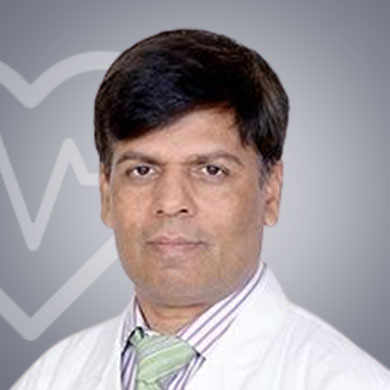
Dr. Nityanand Tripathi
Interventional Cardiologist
29 Years of Experience
With a rich experience of more than 29 years, Dr. Nityanand has gained a vast spectrum of skills and expertise in performing all types of complex cardiac procedures. He is an expert in clinical & interventional cardiology and electrophysiology. He studied his medicine (MBBS) and MD from the Institute of Medical Sciences of Banaras Hindu University, Varanasi, and later completed his DM in Cardiology from the prestigious King George Medical University, Lucknow. View More
Last Reviewed - January 2026