Pancreatic Neuroendocrine Tumors Treatment in India
- Top Accredited Hospitals
- Global Medical Standards
- Cutting-Edge Technology
- Proven Treatment Options
- High Success Rate
- Trusted by Millions

What are Pancreatic Neuroendocrine Tumors?
Pancreatic neuroendocrine tumors (PNETs) represent a rare group of tumors arising from the neuroendocrine cells of the pancreas that produce hormones, including insulin, glucagon, somatostatin, etc. These tumors may be benign or malignant; they usually grow more slowly than other pancreatic tumors, most notably pancreatic adenocarcinoma.
What is the Importance of Timely Treatment?
- Improved Prognosis: The chances of curing or controlling the disease are substantially better with treatment when detected early, including surgical tumour removal. Early interventions lead to long-term survival in localised tumors.
- Preventing Complications: PNETs can lead to complications like hormonal imbalances (e.g., hypoglycemia in insulinomas), pain, or jaundice. Prompt intervention treats the tumors to relieve symptoms and prevent serious complications.
- Reduced Risk of Metastasis: Early diagnosis increases the possibility of metastasis to some distant organ. However, by timely therapy, one can prevent the tumor from progressing and spreading to various organs like the liver.
- Better Life: Early treatments will help control symptoms, pain, and discomfort caused by more extensive or more invasive tumors. It will also work toward alleviating significant inconveniences caused by hormone-related symptoms, thereby assisting with one's daily lifestyle.
- Success of Targeted Therapy: Certain interventions such as targeted therapy or radiation are more efficacious with the early detection of tumors, with better chances of slowing down tumor growth and providing long-term management.
What are the Common Symptoms of Pancreatic Neuroendocrine Tumors?
- Hypoglycemia (Low Blood Sugar)
- Hyperglycemia (High Blood Sugar) or Diabetes
- Abdominal Pain
- Unexplained Weight Loss
- Jaundice
- Nausea and Vomiting
- Fatigue
- Palpitations or Rapid Heartbeat
Causes and Risk Factors of Pancreatic Neuroendocrine Tumors
Causes
- Genetic Mutations
- Endocrine Disruptions
- Sporadic Development
Risk Factors:
- Genetic Syndromes
- Age
- Family History
- Hormonal Imbalances
- Environmental Factors
Connect with our advisor for a PRIORITY response
Latest Research and Technologies in the Treatment of Pancreatic Neuroendocrine Tumors in India
The medical treatment of carcinoid tumours in India has adopted the newest research and technologies to meet worldwide clinical standards and healthcare capabilities.
- Targeted therapy: The therapies available in India for advanced PNETs are proving very effective. These drugs target the molecules involved in the growth of the tumor. They have shown some promise in treating metastasis in cases where surgery cannot be offered.
- Immunotherapy: Immunotherapy is a cutting-edge horizon under research in India for treating PNETs. The ongoing clinical trials are investigating the activity of checkpoint inhibitors in augmented immune responses against the tumor cells that pave the way toward more effective therapies.
- Endoscopic Ultrasound and Biopsy: PNET diagnosis in India is enhanced by endoscopic ultrasound with fine needle aspiration. Accurate imaging capturing, along with biopsy sampling via EUS helps effect early diagnosis and guide timely treatment plans.
- Peptide Receptor Radionuclide Therapy (PRRT): The treatment of metastatic PNETs has successfully been established using peptide receptor radionuclide therapy, or, in simpler terms, radiation therapy using radioactive peptides. It can control tumor growth and/or prolong survival in selected cases where tumors cannot be excised surgically.
- Minimally invasive surgery and personalised medicine: In India, robotic and laparoscopic surgeries are gaining prominence for their greater precision and faster recovery in managing localised PNETs. Genetic testing caters to personalised medicine, taking one step further towards better outcomes.
Pancreatic Neuroendocrine Tumors Prevention Tip:
- Genetic Counseling and Screening: Normal screening and genetic counseling are preventive measures in the timely diagnosis of PNETs for people with a familial history of genetic syndromes, such as MEN1 or von Hippel-Lindau disease.
- Healthy lifestyle choices: Consume a healthy, balanced diet full of fresh fruits, vegetables and whole grains while reducing the levels of processed foods and red meat. Exercise regularly, and these all serve as means to mitigate the risk of developing pancreatic tumors.
- Avoid Smoking: Smoking is a known carcinogen in most cancers, including the pancreatic types, and possibly the PNETs. By avoiding smoking, you will reduce the chances of becoming a cancer patient in the future and still enjoy maximum benefits to your health.
- Confirming early detection for high-risk individuals: Individuals with a familial history of endocrine tumors are offered, subject to regular imaging and blood tests to check for possible tumors. Early intervention increases the likelihood of successful treatment.
- Management of chronic pancreatitis: Chronic pancreatitis can be managed effectively by medical treatment as it prevents possible PNET development. While controlling inflammation and treating it appropriately increases complications, early intervention must be implemented.
Treatment options for Pancreatic Neuroendocrine Tumors
The medical treatment for Pancreatic Neuroendocrine Tumors requires evaluating the patient's severity and medical condition. The following are the treatment options:
Surgical Resection: Surgical tumor removal is the most effective treatment option for localised PNETs. Thus, surgery provides the best chance of cure or long-term control in the case of a tumour localised to the pancreas.
Targeted Therapy : Targeted therapies inhibit tumour growth in advanced-stage or metastatic PNET cases. These therapies help slow down disease progression and enhance survival.
Cost Start From USD 8000 - USD 12000Explore Options
Chemotherapy: Chemotherapy with medications is used in aggressive or metastatic PNETs. Chemotherapy is most often used when surgery or targeted therapy proves ineffectual in curbing the disease.
Cost Start From USD 600 - USD 700Explore Options
Whipple Procedure (Pancreaticoduodenectomy) : This procedure is performed for localised and resectable tumors. It is intended for functional or non-functional PNETs localised within the pancreas.
Cost Start From USD 5000 - USD 7000Explore Options
Stereotactic Radiotherapy (SRT) is the treatment modality for localised, inoperable, or metastatic PNETs when surgery is not performed. Most of the time, the nomenclature patients referred to SRT are those who cannot undergo surgery or patients whose disease has already spread to other sites.
Cost Start From USD 5500 - USD 7500Explore Options
CyberKnife : The CyberKnife system is typically beneficial in managing small to medium-sized tumors that have proven inoperable, are subject to difficult surgical excision, or have metastasised into surrounding organs or tissue planes. It may be used solely for other types of treatment.
Cost Start From USD 4500 - USD 7500Explore Options
Proton Therapy : Proton therapy is for such out-of-sight or inoperable PNETs. Especially given its significance in tumors near critical structures such as blood vessels or the spine, it is also applicable in treatment for metastatic PNETs when the cancer has spread elsewhere.
Cost Start From USD 35000 - USD 60000Explore Options
These are the standard diagnostic methods for diagnosing Pancreatic Neuroendocrine Tumors:
- Imaging Studies:
- CT Scan: This is one of the most common imaging techniques used for PNET detection, i.e. determining tumor size, location, and evidence of metastasis, if any, especially to the liver or lymph nodes.
- MRI: Generates high-definition images of the pancreas, particularly for delineating soft tissue, and assesses the extent of the tumor.
- Endoscopic Ultrasound: Provides even better imaging for the pancreas and surrounding structures and allows guidance for fine-needle aspiration (FNA) to acquire biopsy samples.
- Positron Emission Tomography: It plays a vital role in tracking a radioactive glucose analog to locate areas of high metabolic activity associated with malignant tumors. It becomes especially relevant in staging the extent of disease dissemination in PNETs or in spotting tumors that may evade detection by other imaging investigations.
- Biopsy:
- Fine Needle Aspiration: Fine needle aspiration techniques, usually done following some imaging modality that indicates tumor presence, are said to be concurrent with an essential ultrasound study, during which tissue samples are taken for histopathological examination, thus confirming the diagnosis of PNETs.
- Core Needle Biopsy: If the need for a more definitive diagnosis arises, it is hence possible for a small core needle biopsy to be performed to gain a tissue sample.
- Blood Tests:
- Tumor Markers: Serum tumor markers such as chromogranin A (CgA) and pancreatic polypeptide (PP) can be other means for the blood work to diagnose PNETs; elevated levels would strongly suggest the presence of neuroendocrine tumors in the patient.
- Somatostatin Receptor Scintigraphy (SRS):
- Octreotide Scan: This technique uses radioactive tracers bound to somatostatin to detect somatostatin receptors on neuroendocrine tumor cells. Generally, this will be applicable in detecting localised, nonmetastatic PNETs amenable to surgical intervention.
MediRehab (a chain of Rehab centres, part of MediGence) provides comprehensive rehabilitation services designed to support patients in India. Additional services are as per the patient's requirement. These services include:
- Rehabilitation following Surgery: Postoperative rehabilitation aims to help patients return to their daily lives after surgical tumour excision by regaining strength and improving mobility. This may include physical therapy for surgical deficits and occupational therapy to adapt to lifestyle changes.
- Lifestyle modification: Nutritional counseling is a must for patients, especially after surgery to the pancreas, since they will experience some digestive problems due to the diminished function of the pancreas. A dietician could provide personalised meal plans according to the symptoms of malabsorption and help during recovery.
- Pain Management: For those who experience pain after treatment, especially surgery or chemotherapeutic agents, it will be helpful to return to pain management therapy after these therapies.
- Hormone and Endocrine Therapy: Patients with functional PNETs (producing excess hormones) may require, in addition to handling symptoms of hypoglycemia, gastric issues, etc., some sort of hormonal therapy to manage their symptoms. Continued endocrine management may include medication adjustments to maintain the optimal hormone level and avoid complications for prevention purposes.
- Psychosocial Support: A diagnosis of cancer creates a stir in the mind and soul of a patient. Counseling, support groups or any form of mental help assists patients and families in bearing the emotional aspects of this disease, PNET.
Instantly Connect with our Specialists


Hospitals for Pancreatic Neuroendocrine Tumors in India

Manipal Hospital, Ghaziabad
Ghaziabad, India
Founded in 2010, Manipal Hospital-Ghaziabad (formerly Columbia Asia Hospital) is a well-known multispecialty hospital accredited by the National Accreditation Board for Hospitals and Healthcare Providers (NABH). With 100 beds, the hospital is committed to providing effective and reasonably priced healthcare in a clean and safe setting. The hospital has several departments that are known for their expertise, including Orthopaedics, Internal Medicine, Gastroenterology, Plastic Surgery, Obstetrics and Gynecology, ENT, and more. Due to this recognition, the hospital is now regarded as one of the best medical establishments in the Ghaziabad area.

Seven Hills Hospital
Mumbai, India
Seven Hills Hospital located in Mumbai, India is accredited by JCI, NABH, NABL. Also listed below are some of the most prominent infrastructural details:
- It is spread over an area of 17 acres.
- There is also an academic institute with research facilities.
- SevenHills Hospital has excellent diagnostic services including a laboratory and a provision for various tests.
- Given that their are specific departments for various kinds of diagnostsic. Tests like PET Scan, MRI, CT scan and biopsies are completed regularly.
- Biochemistry, Hematology, Microbiology are some of the important diagnostic departments.
- Endoscopies as well as non-invasive procedures are done through their respective departments.
- Day care specialty services are available for those kinds of requirements.
- Health Check up packages are also present as are the collaborations with many insurance organisations.
- There are professionally managed in-patient and out-patient facilities.
- There are more than 30 super specialties in Seven Hills Hospital Mumbai.
- There are also Centres of Excellence in Cardiac Care, Neurosciences, Bone & Joint Care, Cancer Care, Nephrology and Cosmetic Dermatology.
- International patient care services are also implemented for the best assistance to overseas patients.
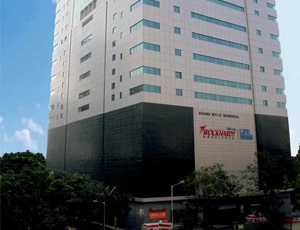
Wockhardt Hospital - A new Age Hospital
Mumbai, India
Wockhardt Hospital - A New Age Hospital located in Mumbai, India is accredited by NABH. Also listed below are some of the most prominent infrastructural details:
- 20-storeyed building at Mumbai Central (South Mumbai)
- Capacity of 350-beds
- Two highly-advanced cath labs with ultra-modern technologies to perform high risk coronary procedures and neurological surgeries
- 8 Operation Theatres- Cardiac, Joint Replacement, Neurology, Oncology, MAS and Organ Transplantation
- 100 beds dedicated to Critical Care, which are connected to IntelliSpace Critical Care & Anaesthesia (ICCA) system
- Largest Paediatric Cardiac Unit
- It has the largest Intelligent ICCA System
- Possess Hi-tech GPS-enabled Ambulances and largest state-of-the-art Accident & Emergency unit in South Mumbai
- As far as accommodation facility is considered, the Hospital makes it easily accessible for the patients in nearby hotels/lodges
Our Services to better your experience
Opinion & Option
We submit the most accurate opinion and options from one or more countries for your review
Consult Privately
Consult with a certified specialist privately on our telemedicine platform even before you decide to travel
Logistics
We handle flights, visas, transfers, and accommodation—so you can focus on your health.
Recovery
Our In-house rehabilitation service packages to better your recovery and treatment outcome
Why Choose India for Pancreatic Neuroendocrine Tumor Treatment?
The following are the growing reasons for India being frequented for Pancreatic Neuroendocrine Tumor treatment:
- World-Class Health Services at Affordable Costs: The nation is proficient in advanced medical technologies and treatments, including high-quality care at often dissimilar cost ratios of Western countries.
- Most Qualified Professionals: Patients will find internationally trained, renowned hepatologists, surgeons, and specialists. Medical and individualised treatment options will complement the value of the care provided by the best experts in India.
- Complete Medical Services: From advanced diagnostic tools such as elastography and imaging to liver transplants, India has gone the extra mile to provide patients with cutting-edge facilities for total Pancreatic Neuroendocrine Tumors treatment.
- Easy Medical Tourism: India is becoming a central international hub for medical tourism. Many accredited hospitals provide excellent service to international patients, including easy accessibility, visa assistance, and organised packages.
- Holistic Treatment: Most hospitals in India work towards a mainstream plus traditional treatment regime for complete liver health recovery and wellness, thus attending to emotional and physical wellness.
Frequently Asked Questions
The prognosis of PNETs is based on the tumour's size, location, and functional status, as well as the presence of metastases. Early detection and surgery are the best options for offering a good prognosis, whereas therapies must be combined with advanced or metastatic cases for managing PNETs..
Most PNETs are sporadic, although they can be combined with some genetic conditions such as MEN1 syndrome and von Hippel-Lindau disease. Individuals with family histories of these conditions might require genetic counseling and regular screening.
Currently, there is no known preventive measure against PNETs, yet a healthy lifestyle that avoids smoking and genetic screening for higher risk individuals can contribute to early detection and improved management of the disease.
Long-term effects will depend on the treatment method used. Surgical recovery can cause digestive problems, chemotherapy has intermediate side effects such as nausea and lethargy, and targeted therapies can cause skin rashes or fatigue. Monitoring for recurrence or complications must be ensured by regular follow-up care.
Yes, even after treatment, the PNETs can recur depending on whether the tumor was removed entirely or if it had metastasised. Regular follow-up scans and monitoring are very crucial to detect recurrences at an early stage.
A nutritious diet, physical exercise, and abstinence from alcoholic beverages and smoking may enhance a patient's health. Hormone-secreting tumors may also require an individual to follow directed medical advice in managing portions of low blood sugar or digestive issues.
PNETs are rare in India, and in the last few years, it has been estimated that incidences have increased due to improved diagnostic prowess. They contribute a minority portion of the whole pancreatic cancers but diagnose many at advanced stages.
Genetic testing for hereditary conditions such as MEN1 syndrome and von Hippel-Lindau disease is available in most private hospitals and genetic centers across India. Early detection through genetic counseling can help identify high-risk individuals and direct preventive measures.

Reviewer

Dr. Pradeep Jain
General & Laparoscopic Surgeon
33 Years of Experience
Dr. Pradeep Jain has completed his MBBS, MS - General Surgery, MCh - Surgical Gastroenterology/G.I. Surgery, and MCh - Surgical Oncology. He is a GastroIntestinal Surgeon, General Surgeon, Surgical Oncologist, Bariatric Surgeon par excellence with total experience of 36 years of which about 33+ years have been as a specialist View More
Last Reviewed - January 2026