Ovulatory Dysfunction Treatment in India
- Top Accredited Hospitals
- Global Medical Standards
- Cutting-Edge Technology
- Proven Treatment Options
- High Success Rate
- Trusted by Millions

What is an Ovulatory Dysfunction?
Ovulatory dysfunction refers to irregular, infrequent, or absent ovulation, meaning that an egg is not released from the ovary consistently during the menstrual cycle. It may occur as anovulation, when ovulation does not occur, or oligo-ovulation, when ovulation occurs less frequently than expected. Ovulatory dysfunction is a common cause of menstrual irregularity and female-factor infertility. It may be associated with conditions such as polyendocrine metabolic ovarian syndrome (PMOS), thyroid disorders, hyperprolactinemia, changes in body weight, excessive exercise, or disorders affecting ovarian function.
What is the Importance of Timely Treatment?
Timely evaluation helps identify the underlying cause of irregular or absent ovulation and allows appropriate treatment to be started. Depending on the cause and whether pregnancy is desired, management may focus on restoring regular ovulation, treating hormonal or metabolic disorders, regulating menstrual symptoms, protecting the endometrium, or improving fertility. Early assessment can also identify associated conditions such as thyroid dysfunction, elevated prolactin, PMOS, or reduced ovarian function that may require specific management.
What are the Common Symptoms of an Ovulatory Dysfunction?
- Irregular or unpredictable menstrual cycles
- Infrequent periods or prolonged gaps between periods
- Absent menstrual periods
- Very heavy or unusually light menstrual bleeding
- Difficulty predicting the fertile period
- Difficulty conceiving despite regular unprotected intercourse
- Reduced or absent signs of ovulation
- Symptoms associated with PMOS, such as acne or increased facial/body hair
- Hot flashes or other symptoms associated with reduced ovarian function
- Vaginal dryness in some hormonal conditions
- Recurrent menstrual irregularity associated with significant weight changes or excessive exercise
Causes and Risk Factors of Ovulatory Dysfunction
Causes
- Polyendocrine metabolic ovarian syndrome (PMOS)
- Hypothalamic or pituitary disorders
- Hyperprolactinemia
- Thyroid disorders
- Primary ovarian insufficiency or reduced ovarian function
- Perimenopause
- Significant weight loss or very low body weight
- Obesity or significant weight gain
- Excessive or strenuous exercise
- Severe psychological or physiological stress
- Certain medications
- Chronic systemic illnesses
- Disorders affecting the hypothalamus, pituitary gland, or ovaries
- Genetic or endocrine disorders
Risk Factors
- PMOS or a history of irregular menstrual cycles
- Significant weight gain or weight loss
- Underweight or obesity
- Excessive physical exercise
- Chronic stress
- Thyroid or pituitary disorders
- Elevated prolactin levels
- Family history of reproductive or endocrine disorders
- Increasing reproductive age
- Previous ovarian surgery or treatment that may affect ovarian function
- Certain medications or chronic medical conditions
Latest Research and Technologies in the Treatment of Ovulatory Dysfunction in India
- Current management increasingly focuses on identifying the specific cause of ovulatory dysfunction and tailoring treatment to the patient's reproductive goals. Evaluation may include menstrual history, hormonal testing, thyroid and prolactin assessment, ovarian function assessment, and pelvic ultrasound. In patients with infertility related to ovulatory dysfunction, contemporary treatment may include lifestyle and metabolic interventions, ovulation-induction medicines, monitored ovarian stimulation, intrauterine insemination (IUI), or assisted reproductive technologies such as IVF when clinically appropriate.
Treatment options for Ovulatory Dysfunction
Assisted Reproductive Techniques : IUI or IVF may be considered when ovulation-induction treatment is unsuccessful, when additional fertility factors are present, or when the clinical situation warrants assisted reproduction. Treatment is individualised according to ovarian function, tubal status, sperm factors, age, and previous treatment.
Cost Start From 1200Explore Options
- Clinical assessment:
- Menstrual and Reproductive History: The clinician evaluates menstrual-cycle length and regularity, duration of irregularity, bleeding pattern, symptoms suggesting ovulation, previous pregnancies, fertility history, contraceptive use, weight changes, exercise habits, stress, medications, and relevant medical conditions.
- Hormonal and Endocrine Assessment: Blood tests may include thyroid-stimulating hormone (TSH), prolactin, follicle-stimulating hormone (FSH), estradiol, and other hormone tests according to the clinical presentation.
- Assessment of Ovulation: Ovulation may be evaluated using menstrual-cycle information, urinary luteinizing hormone testing, serum progesterone measurement at an appropriate point in the cycle, or ultrasound-based follicular monitoring.
- Assessment of Associated Conditions: Evaluation may include assessment for PMOS, thyroid disease, hyperprolactinemia, primary ovarian insufficiency, metabolic abnormalities, and other endocrine or systemic conditions that may interfere with ovulation.
- Fertility Assessment: When pregnancy is desired, evaluation may also include assessment of fallopian-tube patency and semen analysis of the partner because infertility can result from female, male, combined, or unexplained factors.
- Imaging Tests:
- Pelvic Ultrasound: Transvaginal ultrasound can evaluate the uterus and ovaries and may identify features associated with PMOS, ovarian cysts, or other pelvic abnormalities.
- Follicular Monitoring: Serial ultrasound examinations can monitor follicular growth and help determine whether and when ovulation occurs during fertility treatment.
- Ovarian Reserve Assessment: Ultrasound assessment of antral follicle count may be used with laboratory tests when ovarian reserve evaluation is clinically indicated.
- Pituitary MRI: Consider pituitary MRI when laboratory findings or symptoms suggest a pituitary disorder, such as significant hyperprolactinemia.
- Additional Imaging: Other imaging investigations may be performed when an underlying pelvic, endocrine, or structural condition is suspected.
MediRehab (a chain of Rehab centres, part of MediGence) provides comprehensive rehabilitation services designed to support patients with ovulatory dysfunction in India. These Services include:
- Healthy Physical Activity: Regular, appropriately balanced physical activity can support metabolic health while avoiding excessive exercise that may interfere with reproductive function.
- Stress and Lifestyle Management: Adequate sleep, stress management, and avoidance of extreme dieting or excessive physical training may support reproductive health.
- Fertility Support: Patients undergoing ovulation induction or assisted reproduction may benefit from structured monitoring, counselling, and education about treatment schedules and fertility awareness.
- Long-Term Follow-Up: Continued gynecological or endocrinological follow-up may be needed to monitor menstrual patterns, treatment response, metabolic health, and recurrence of ovulatory dysfunction.
- Medicines are selected according to the cause of ovulatory dysfunction and whether pregnancy is desired. Gonadotropins may be used for selected patients requiring injectable ovarian stimulation. When ovulatory dysfunction is related to thyroid disease or hyperprolactinemia, treatment is directed toward the underlying hormonal disorder.
Instantly Connect with our Specialists


Hospitals for Ovulatory Dysfunction in India

Medicover Fertility Dwarka
Delhi, India
World-class clinics and expansion:
- All our clinics exceed national and international standards set by WHO, ICMR and ASRM and Medicover Fertility Dwarka is no exception
- We have the latest in technological advancements and follow the same medical practices that are followed in Europe
- We offer standardized fertility treatments with state-of-the-art technology, clinical embryologists, dedicated nurses, and a team of fertility experts
- Launched in July 2016 Medicover has 13 fertility clinics across the country now
- We can proudly say that due to our quality treatment every 3 hour a Medicover baby is born worldwide
Cost-effective and affordable:
- The fertility center offers a convenient EMI facility with a zero percent interest rate
- We offer you high-quality and transparent medical treatments at affordable rates
- Zero consultation fees
Transparent Fertility Treatments:
We are upfront about our treatment and progress with our patients. We follow a complete transparency policy and keep the family updated about how the patient is responding as well as test results. The couple will always have the final say in decisions regarding which course of treatment to follow.
High Success Rate
Doctors at Medicover Fertility are internationally certified and 100% dedicated to patient welfare. Our experienced and skilled doctors, embryologists give you quality diagnostics and the latest advancements in technology at the tip of your hands. For these reasons, we have a very good track record with IVF outcomes
Considerate and Approachable Environment
We, at Medicover, understand that a couple with fertility complications is under a lot of pressure which often impacts their relationship. We provide proper advice and care to each couple that is tailor-made to suit their needs and requirements. A friendly environment and our caring nursing staff will make you feel comfortable and at home soon enough.
Expert Team
Our highly experienced team of IVF specialists, embryologists, nursing team, and counselors work together to create the perfect holistic environment for treatments.
Our IVF specialist is a distinguished doctor with both national and international experiences in several hospitals around the world. With her extreme attention to what the patient wants, she has been able to successfully provide a taste of parenthood to a lot of childless couples in India
We invite you to visit our clinic at Dwarka to know more about the treatment procedures and costs.

World Infertility and IVF Center
Delhi, India
Apart from in-detail treatment procedures available, World Infertility and IVF Center located in New Delhi, India has a wide variety of facilities available for International Patients. Some of the facilities which are provided by them are Airport Transfer, Interpreter, SIM. Also listed below are some of the most prominent infrastructural details:
- Cutting-edge equipment related to infertility and laparoscopy is present in the center.
- Advanced operation rooms are available for procedures.
- Video Consultation services are also provided to patients.
Training center for laparoscopy as well as human reproduction
- Embryology
- Infertility
- Advanced Laparoscopy
- Hysteroscopy
Assisted Reproductive Technology (ART) program (In Vitro Fertilization (IVF) and embryo transfer program)
Other important services available are Cytogenetic and Molecular Diagnostic Services, Andrology Clinic, Contraception Clinic, Menopausal Checkup, and Ultrasound.
Fully equipped Embryology lab which is manned by professional personnel.
IVF lab program includes IVF techniques like :
- oocyte/embryo culture
- insemination (including ICSI)
- blastocyst culture and transfer
- embryo cryopreservation
- laser-assisted hatching
Streamlined International patient care services are present to cater to all requirements of overseas patients regarding their treatment, stay, travel and transfer.
Services are provided in the following specialties:
- Intrauterine insemination (IUI).
- In-vitro Fertilization (IVF).
- In-vitro Fertilization Embryo Transfer (IVF-ET).
- Intracytoplasmic Sperm Injection (ICSI).
- Blastocyst Transfer.
- Embryo Cryopreservation.
- Frozen Embryo Transfer.
- Laser-Assisted Hatching (LAH).
- Semen Cryopreservation.
- Egg/Sperm Donation.
- Donor oocytes.
- Surrogacy.
- Preimplantation genetic diagnosis (PGD).
- Sperm washing various techniques.
- Cryo Freezing of Embryos and sperm of infertile couples.
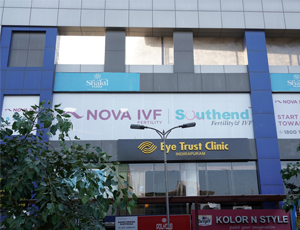
Nova Fertility Centre, Indirapuram
Ghaziabad, India
Nova Fertility Indirapuram (Ghaziabad) Centre is a highly reputed service provider in the field of fertility treatment. It aims to provide advanced Assisted Reproductive Technology as per global standards. The clinic was launched with the commitment to offer standardized as well as ethical infertility treatment. Besides providing core procedures like IVF, IUI, and andrology services. It offers several state-of-the-art technologies like vitrification for preserving eggs and embryos. All these procedures highly improve the chance of pregnancy after IVF and ICSI, even if patients have experienced multiple failures previously. The whole process right from the screening to evaluation and treatment is done under the close supervision of a senior team of doctors. The clinic has the latest technology handled by a team of talented specialists who are well-trained and have received education from some of the most prestigious institutions.
Our Services to better your experience
Opinion & Option
We submit the most accurate opinion and options from one or more countries for your review
Consult Privately
Consult with a certified specialist privately on our telemedicine platform even before you decide to travel
Logistics
We handle flights, visas, transfers, and accommodation—so you can focus on your health.
Recovery
Our In-house rehabilitation service packages to better your recovery and treatment outcome
Why Choose India for Ovulatory Dysfunction Treatment?
- Experienced Fertility Specialists: Indian fertility centres have gynecologists and reproductive-medicine specialists experienced in evaluating hormonal and ovulatory disorders and infertility.
- Advanced Diagnostic Facilities: Many centres offer hormonal testing, pelvic ultrasound, follicular monitoring, ovarian-reserve assessment, and other investigations needed to identify the causes of ovulatory dysfunction.
- Comprehensive Fertility Treatment: Depending on the underlying cause, patients may have access to lifestyle management, ovulation induction, gonadotropin stimulation, IUI, and IVF within specialised fertility centres.
- Multidisciplinary Care: Patients may receive coordinated care involving reproductive endocrinologists, gynecologists, embryologists, endocrinologists, nutrition professionals, and other specialists when required.
- International Patient Support: Major Indian fertility centres and hospitals may provide medical-record review, specialist consultations, treatment coordination, travel assistance, accommodation support, and follow-up services for international patients.