Non-Hodgkin lymphoma (NHL) Treatment in India
- Top Accredited Hospitals
- Global Medical Standards
- Cutting-Edge Technology
- Proven Treatment Options
- High Success Rate
- Trusted by Millions

What is Non-Hodgkin lymphoma (NHL)?
Non-Hodgkin lymphoma is a kind of cancer affecting the lymphatic system. The lymphatic system comprises organs, glands, tube-like channels, and lymph node clusters. It is a component of the body's germ-fighting immune system.
Non-Hodgkin lymphoma develops when germ-fighting cells in the lymphatic system become out of control. Tumors are growths that cells can generate throughout the body.
What is the Importance of Timely Treatment?
Non-Hodgkin lymphoma (NHL) should be treated immediately to improve patient outcomes. Early management helps to keep the condition from developing to later stages, which can be more challenging to treat.
NHL has considerably better survival rates when discovered and treated early since patients are more likely to respond successfully to medicines, including chemotherapy, immunotherapy, and targeted treatments.
Delays in therapy might result in problems such as organ damage and increased tumour growth, lowering the likelihood of successful management.
Timely NHL treatment increases the chances of remission, reduces complications, and improves overall quality of life.
What are the Common Symptoms of Non-Hodgkin lymphoma (NHL)?
Non-Hodgkin lymphoma symptoms may include the following:
- Swollen lymph nodes in the neck, armpits, or groin
- Persistent exhaustion
- Chest discomfort
- Cough
- Difficulty breathing (dyspnea)
- Abdominal discomfort or edema
- Symptoms may include feeling full despite not having eaten
- Unexplained temperature.
- Drenching night sweats.
- Unexplained weight loss
Types of Non-Hodgkin lymphoma (NHL)
Non-Hodgkin lymphoma can be classified into over 70 different subgroups. Healthcare practitioners categorise them according to the type of lymphocyte affected:
- B cell lymphoma: B cells are a type of lymphocyte that helps fight infection. B cells produce antibodies against foreign invaders. B cells are responsible for the vast majority of non-Hodgkin lymphomas. Non-Hodgkin lymphoma subtypes involving B cells include diffuse large B-cell lymphoma, follicular lymphoma, mantle cell lymphoma, and Burkitt lymphoma.
- T cell lymphoma: T cells are lymphocytes that destroy foreign invaders directly. Non-Hodgkin lymphoma occurs substantially less frequently in T cells. Peripheral T-cell lymphoma and cutaneous T-cell lymphoma are two T-cell-related non-Hodgkin lymphoma subtypes.
Stages of Non-Hodgkin lymphoma (NHL)
Healthcare providers stage cancer to design treatment strategies and predict prognosis, which is the expected outcome. Non-Hodgkin lymphoma stages are as follows:
- Stage I: Cancer cells are seen in one lymph node or lymphoid organ. Or there is lymphoma in a specific location of a particular organ outside your lymphatic system.
- Stage II: Lymphoma exists in two or more groups of lymph nodes on the same side of (or near) your diaphragm.
- Stage III: Cancer cells are found in lymph node locations above and below your diaphragm or lymph nodes above your diaphragm and in your spleen.
- Stage IV: At least one organ outside your lymph system, such as your liver or lungs, has extensive lymphoma.
Causes, Risk Factors and Complications of Non-Hodgkin lymphoma (NHL)
Causes
- Non-Hodgkin lymphomas develop when your body creates an excess of lymphocytes. These comprise B cells, T cells, and (occasionally) natural killer (NK) cells. Acquired genetic alterations that influence lymphocyte development contribute to the process.
- When lymphocytes mutate, they multiply and eventually become tumours. Usually, cancers begin in your lymph nodes. Because the lymphatic system contacts almost every body region, non-Hodgkin lymphoma frequently spreads to other lymph organs.
Risk Factors
The following factors may increase the risk of non-Hodgkin lymphoma:
- Medicines that reduce immune response: Following an organ transplant, taking immune-modulating medications may increase the risk of non-Hodgkin lymphoma.
- Infection with certain viruses and bacteria: A few infections appear to increase the risk of non-Hodgkin lymphoma.
- Chemicals: Certain chemicals, such as those used to eliminate insects and weeds, can increase the risk of non-Hodgkin lymphoma.
- Older age: Non-Hodgkin lymphoma can develop at any age. However, it is more common among those aged 60 and up.
Complications
Non-Hodgkin lymphoma and its therapies can induce a variety of problems, including:
- Weakened immune system.
- Fertility problems
- Secondary Cancer
- Organ Damage
Connect with our advisor for a PRIORITY response
Latest Research and Technologies in the Treatment of Non-Hodgkin lymphoma (NHL) in India
- In India, the most recent developments in Non-Hodgkin Lymphoma (NHL) treatment focus on improving chemotherapy regimens, such as R-CHOP, while incorporating targeted therapies and investigating novel immunotherapies, such as CAR T cell therapy.
- These novel medicines hold particular promise for people with relapsed or refractory conditions. Ongoing clinical trials are assessing its efficacy in the Indian population.
- Furthermore, stem cell transplantation is regarded as a promising treatment for high-risk patients or those with recurrent NHL, providing hope for better results.
Non-Hodgkin lymphoma (NHL) Prevention Tips
Some preventative tips for non-Hodgkin lymphoma (NHL):
- Prevent exposure to hazardous chemicals.
- Reduce radiation exposure from unneeded medical imaging and workplace settings.
- Improve immunological health by eating a well-balanced diet, exercising regularly, and managing stress.
- Prevent infection.
- To lower the risk of NHL, limit your alcohol consumption.
- To support immune function, eat a nutritious diet that includes fruits, vegetables, and whole grains.
- These steps can help lower risk, but frequent health screenings are necessary for early detection.
Treatment options for Non-Hodgkin lymphoma (NHL)
Chemotherapy: Chemotherapy is an effective treatment for non-Hodgkin lymphoma that is often taken via vein or tablet and can be supplemented with targeted therapy.
Cost Start From USD 600 - USD 700Explore Options
Immunotherapy: Immunotherapy is a medication that helps the body's immune system eliminate cancer cells, which can survive by hiding from the immune system.
Cost Start From USD 600 - USD 700Explore Options
Targeted therapy: This targets specific molecules in cancer cells, resulting in cell death. It is frequently used in conjunction with chemotherapy for non-Hodgkin lymphoma, either as the first or second treatment if the cancer recurs.
Cost Start From USD 8000 - USD 12000Explore Options
CAR-T cell therapy: A treatment that reprograms immune system cells to combat non-Hodgkin lymphoma. It involves removing white blood cells, including T cells, from the bloodstream and processing them in a lab to produce receptors identifying lymphoma markers.
Cost Start From USD 80000 - USD 120000Explore Options
Bone Marrow Transplant: A bone marrow transplant, also known as a bone marrow stem cell transplant, entails introducing healthy bone marrow stem cells into the body. These cells restore damaged cells caused by chemotherapy and other treatments. Non-Hodgkin lymphoma patients may require a bone marrow transplant if other treatments have failed.
Cost Start From USD 25000 - USD 35000Explore Options
Radiation therapy: Cancer is treated using radiation therapy, which uses intense energy beams. Energy can be derived from X-rays, protons, or other sources.
- Physical exam: A healthcare expert looks for enlarged lymph nodes in your neck, underarms, and groin. The health professional also looks for an enlarged spleen or liver.
- Blood and Urine Tests: Blood and urine tests can help rule out infections and other diseases.
- Imaging tests: Imaging tests can detect cancer cells within your body. Depending on the location of the lymphoma cells, you may require a CT scan, MRI, ultrasound, or PET scan.
- Biopsy: A biopsy is the only technique to determine whether abnormal cells are NHL. Your provider removes a portion of a lymph node or affected tissue. A pathologist will examine the tissue with a microscope for lymphoma cells.
- Immunophenotyping: This test is used to diagnose particular NHL kinds. It recognises cancer cells depending on the types of antigens.
- Lumbar puncture: A lumbar puncture removes part of the fluid surrounding the spinal cord. This operation is also known as a spinal tap. If a healthcare provider suspects the lymphoma is affecting the fluid surrounding the spinal cord, they could suggest this test.
Rehabilitation for Non-Hodgkin Lymphoma (NHL) is critical for patients' physical, mental, and social recovery after therapy. Here are the main rehabilitation options:
Physical therapy: Aims to enhance strength, flexibility, and mobility, particularly if the patient has experienced weariness, weakness, or joint pain as a result of treatment. It aids in restoring stamina and enhancing general physical function.
Psychosocial Support: Emotional and psychological support, such as counselling or support groups, assists patients in coping with stress, anxiety, depression, and the emotional toll of cancer therapy.
Dietary Management: Eating a well-balanced diet can help you retain strength, control prescription side effects, and improve overall health.
Cognitive Rehabilitation: Some NHL patients may develop cognitive challenges, including memory and attention issues, sometimes called "chemo brain." Cognitive therapy and exercise can aid with mental focus and clarity.
Occupational therapy: This helps patients restore their capacity to conduct daily duties at home or work. Occupational therapists can help alter settings or employ assistive equipment to overcome physical restrictions induced by treatment.
Depending on the circumstances, your doctor may prescribe medication to assist you in managing your symptoms and support your treatment plan.
Treatment regimens are adapted to the patient's specific cancer stage and location.
Instantly Connect with our Specialists


Hospitals for Non-Hodgkin lymphoma (NHL) in India

BLK-Max Super Speciality Hospital
Delhi, India
BLK-Max Super Speciality Hospital, located in New Delhi, is the leading best-in-class healthcare institution in India, providing tertiary and quaternary care. 650 + beds including 162 critical care beds, 22 OTs with 1,500+ clinical professionals allied to health are at the hospital's disposal. JCI, NABH, and NABL accredited. The hospitals are a leader in transplants, cancer care, and robotic surgery education and implementation. Established in1959 by Dr. B.L. Kapur, the hospital combines state-of-the-art technology with patient-centric values including compassion, efficiency, and consistency.
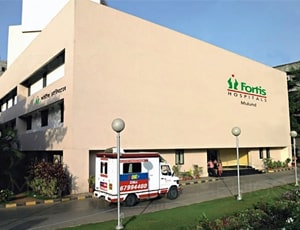
Fortis Hospital, Mulund
Mumbai, India
Fortis Hospital Mulund, located in Mulund West, Mumbai, is a premier healthcare facility providing excellence in multi-speciality healthcare for over 20 years. The global leader in advancing medical technology and clinical expertise, the hospital offers specialities including Cardiology, Neurosciences, Oncology, Transplants, and Orthopaedics. The hospital is well-known for being the largest transplant center in Maharashtra and offers advanced treatment options, including Transcatheter Aortic Valve Implantation (TAVI) and stereotactic precision radiotherapy for cancer. Fortis Mulund is equipped with a 24/7 Emergency Department and International Patient Unit to provide world-class patient-centric care.

Fortis Memorial Research Institute
Gurgaon, India
Fortis Healthcare Limited stands as one of India's largest integrated healthcare providers, managing 33 hospitals across 11 states and operating more than 5,700 beds and 400 diagnostic labs. Four of our hospitals are accredited by JCI and 26 by NABH. With a workforce of over 12,500 healthcare professionals, we combine clinical excellence, a patient-focused approach, and innovation to provide high-quality, affordable, and compassionate healthcare to patients in India.
Our Services to better your experience
Opinion & Option
We submit the most accurate opinion and options from one or more countries for your review
Consult Privately
Consult with a certified specialist privately on our telemedicine platform even before you decide to travel
Logistics
We handle flights, visas, transfers, and accommodation—so you can focus on your health.
Recovery
Our In-house rehabilitation service packages to better your recovery and treatment outcome
Why Choose India for Chronic myeloid leukemia (CML) Treatment?
Here are some of the reasons for choosing India:
- Due to advancements in medical facilities, such as minimally invasive surgical techniques.
- World-class experts include highly experienced doctors, JCI, and NABH-accredited healthcare institutions.
- Compared to other countries, treatment in Indian hospitals is cost-effective.
- Indian hospitals provide International patient services, including a multilingual support system.
- Improved treatment methods and biological therapies
Frequently Asked Questions
Early diagnosis and treatment are highly effective, especially for slow-growing NHL. Chemotherapy and immunotherapy can effectively treat aggressive forms of NHL, while the success rate varies depending on the stage and type of lymphoma.
Yes, clinical studies for new NHL treatments, therapies, and medications are now underway in India's major cancer institutions and hospitals. Participation in clinical trials provides access to the most recent medicines, albeit eligibility requirements apply.
NHL can return, particularly in aggressive forms, but with consistent treatment and surveillance, many patients can attain long-term remission. Continuous follow-up is critical for detecting relapses early.
Common side effects include nausea, exhaustion, hair loss, an increased susceptibility to infections, and mouth sores. Side effects vary depending on the treatment, but they are manageable with supportive care and medications.
Follow-up appointments are often suggested every 3 to 6 months following treatment, including routine blood tests and imaging scans to monitor for symptoms of relapse or disease progression.
Author

Dr. Shagufta Parveen
Dr. Shagufta Parveen is a Clinical researcher and medical writer with expertise in clinical pharmacology and pharmacotherapeutics. She holds a B.Pharm and Doctor of Pharmacy (Post-Baccalaureate) degree from Teerthanker Mahaveer University, Moradabad.
During her clinical stint at BLK-Max Super Speciality Hospital and Indraprastha Apollo Hospital, she gained hands-on experience in the Clinical Pharmacology Department. Combining scientific knowledge with strong medical writing skills, Dr. Shagufta develops evidence-based healthcare content, treatment guides, and patient education resources.
Her work focuses on simplifying complex medical concepts while maintaining scientific accuracy, helping readers better understand healthcare advancements and treatment options.
In addition to her writing expertise, she is actively involved in scientific research and has contributed to peer-reviewed publications.
Her research work is accessible through the following links:
https://scholar.google.com/citations?user=lMVK1eIAAAAJ&hl=en
https://carcinogenesis.com/index.php/JOC/article/view/870
https://carcinogenesis.com/index.php/JOC/article/view/868
https://wjpsronline.com/abstract/0000000760
View MoreReviewer

Dr. Mohit Agarwal
Medical Oncologist
14 Years of Experience
One of the finest Oncologist in New Delhi, India, Dr. Mohit Agarwal has worked with several world class multidisciplinary hospitals over the years. Dr. Mohit Agarwal has over 14+ years of experience in his field. The doctor treats and manages a wide range of conditions such as Stomach Cancer, Rectal Cancer, Breast Cancer, Brain Cancer View More
Last Reviewed - January 2026