Nerve Sheath Tumor Treatment in India
- Top Accredited Hospitals
- Global Medical Standards
- Cutting-Edge Technology
- Proven Treatment Options
- High Success Rate
- Trusted by Millions

What is Nerve Sheath Tumor?
One kind of tumor of the nervous system that is mainly composed of the myelin that surrounds nerves is called a nerve sheath tumor.
What can I expect if my child has Nerve Sheath Tumor?
You might see a lump or painless swelling, generally in your child's arms or legs. You might notice that your child limps or struggles to use their hands, arms, legs, or feet.
Your child will require follow-up appointments with a neurologist. Your youngster will get a thorough physical examination and a number of diagnostic tests ordered by a neurologist. Blood tests, biopsies, and advanced imaging investigations are examples of testing. Following the completion of all required tests, the doctor will talk with you about the results and suggested course of treatment.
What are the Common Symptoms of Nerve Sheath Tumor?
Weakness, numbness, and discomfort are among the symptoms. A lump or tumor beneath the skin may also be felt by the patient.
Causes, Risk Factors and Complications of Nerve Sheath Tumor.
Causes
The cause of the majority of sporadic nerve sheath tumor cases is unknown. In some cases, they are a component of a hereditary disorder that is characterized by numerous tumors of the nerve sheath, such as NF1, NF2, or schwannomatosis.
Risk Factors
Peripheral nerve sheath tumor risk factors include the following:
- Cancer treatment using radiation: Ten to twenty years following radiation treatment, a malignant peripheral nerve sheath tumor may develop in the treated area.
- Nerve tumors that are not malignant: Non-cancerous nerve tumors like neurofibroma can give rise to peripheral nerve sheath tumors.
- A family-inherited ailment: Individuals with neurofibromatosis 1 are more likely to develop malignant peripheral nerve sheath tumors. Nerve tumors are more likely to occur in this scenario.
Complications
Pain, numbness, weakness, loss of function in the afflicted muscles due to nerve compression, the possibility of nerve damage during surgery, sensory deficiencies, and in rare instances, malignant transformation of a benign tumor are all consequences of nerve sheath tumors.
Connect with our advisor for a PRIORITY response
Latest Research and Technologies in the Treatment of Nerve Sheath Tumor in India
Advanced Imaging Techniques
High-resolution MRIs, PET scans, and other cutting-edge imaging techniques are available in Indian hospitals to help visualize tumors more precisely. These methods support not just diagnosis but also surgical intervention planning and therapy effectiveness evaluation. Additionally, advanced imaging can offer important details regarding the location, size, and involvement of the tumor with adjacent structures.
The development of novel contrast agents and imaging techniques that can improve the visibility of nerve tumors is another area of attention for imaging research. Better clinical results and more individualized treatment regimens for patients may result from this.
Minimally Invasive Surgical Techniques
Peripheral nerve tumors can be difficult to surgically remove because of the complex network of nerves involved. Minimally invasive procedures that improve recovery and lessen surgical trauma are pioneered by Indian surgeons. Research studies are being conducted to improve and perfect techniques including intraoperative neurophysiological monitoring and nerve-sparing surgery. These methods seek to successfully remove malignancies while maintaining nerve function.
Nerve Sheath Tumor Prevention Tips
Although there are currently no preventative measures for nerve sheath tumors because the exact cause of the majority of cases is unknown, seeing a doctor for early detection through routine checkups is crucial to managing potential nerve sheath tumors if you have a family history of genetic conditions like neurofibromatosis type 1 or 2, which can increase your risk.
Treatment options for Nerve Sheath Tumor
Chemotherapy: Chemotherapy has less effect on malignant peripheral nerve sheath tumors. Although chemotherapy is rarely effective in curing tumors, it can be administered to try to reduce their size or slow their growth.
Cost Start From USD 600 - USD 700Explore Options
Microsurgery: Due to its high success rate in maintaining neurological function, microsurgery for nerve sheath tumors is frequently regarded as the preferred method for benign nerve sheath tumors. It involves a highly skilled surgeon using a microscope and delicate instruments to carefully remove a tumor from a peripheral nerve, with the goal of minimizing damage to the surrounding healthy nerve tissue and preserving function by carefully dissecting around the tumor's fascicles (nerve bundles) within the nerve itself.
Radiation therapy: Following surgery, radiotherapy can eradicate any remaining cancer cells. This occurred when the malignancy could not be completely removed by your surgeon. It also seeks to reduce the likelihood of recurrent sarcoma. We refer to this as adjuvant treatment.
Nerve sheath tumors may typically be assessed and diagnosed using MRI. In certain situations, the doctor might suggest a biopsy to make a diagnosis, such as when there are worries that the tumor might be cancerous.
A nerve sheath tumor may appear on imaging such as an MRI or ultrasound when a person is being evaluated for one of the symptoms listed above. Or the tumor can be an incidental finding - discovered when a doctor is using MRI to examine a person for something else, such as lower back pain.
Patients could require physical rehabilitation following surgery. To maintain an arm or leg in a position that promotes healing, the Doctor could prescribe a brace or a splint. Patients can regain function and mobility that have been lost as a result of nerve injury or limb amputation with the assistance of physical and occupational therapists.
Chemotherapy drugs are used for treatment to kill fast-growing cancer cells in nerve sheath tumors.
Instantly Connect with our Specialists


Hospitals for Nerve Sheath Tumor in India

Asian Institute of Medical Sciences
Faridabad, India
Asian Institute of Medical Sciences located in Faridabad, India is accredited by NABH, NABL. Also listed below are some of the most prominent infrastructural details:
- 425 bed capacity
- Preventive and diagnostic sevices of the hospital are its strength.
- It is also well recognised for the therapeutic and rehabilitative services.
- For patients who need end process care for advanced healthcare conditions, the palliative services that the hospital provides are a boon.
- The healthcare delivery of AIMS, Delhi/NCR is focused on patient care.
- Research focused organisation
- International Patient care center is present to liason with medical travellers
- Focus on Academics, various healthcare educational programmes

BLK-Max Super Speciality Hospital
Delhi, India
BLK-Max Super Speciality Hospital, located in New Delhi, is the leading best-in-class healthcare institution in India, providing tertiary and quaternary care. 650 + beds including 162 critical care beds, 22 OTs with 1,500+ clinical professionals allied to health are at the hospital's disposal. JCI, NABH, and NABL accredited. The hospitals are a leader in transplants, cancer care, and robotic surgery education and implementation. Established in1959 by Dr. B.L. Kapur, the hospital combines state-of-the-art technology with patient-centric values including compassion, efficiency, and consistency.
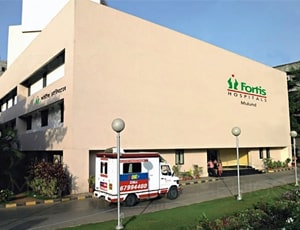
Fortis Hospital, Mulund
Mumbai, India
Fortis Hospital Mulund, located in Mulund West, Mumbai, is a premier healthcare facility providing excellence in multi-speciality healthcare for over 20 years. The global leader in advancing medical technology and clinical expertise, the hospital offers specialities including Cardiology, Neurosciences, Oncology, Transplants, and Orthopaedics. The hospital is well-known for being the largest transplant center in Maharashtra and offers advanced treatment options, including Transcatheter Aortic Valve Implantation (TAVI) and stereotactic precision radiotherapy for cancer. Fortis Mulund is equipped with a 24/7 Emergency Department and International Patient Unit to provide world-class patient-centric care.
Our Services to better your experience
Opinion & Option
We submit the most accurate opinion and options from one or more countries for your review
Consult Privately
Consult with a certified specialist privately on our telemedicine platform even before you decide to travel
Logistics
We handle flights, visas, transfers, and accommodation—so you can focus on your health.
Recovery
Our In-house rehabilitation service packages to better your recovery and treatment outcome
Why Choose India for Treatment of Nerve Sheath Tumor?
Here are some of the reasons for choosing India:
Due to advancements in medical facilities, such as minimally invasive microsurgical techniques.
- World-class experts include highly experienced doctors, JCI, and NABH-accredited healthcare institutions.
- Compared to other countries, treatment in Indian hospitals is cost-effective.
- Indian hospitals provide International patient services, including a multilingual support system.
- Improved treatment methods and biological therapies.
Frequently Asked Questions
Yes, the majority of tumors in the nerve sheath are benign. Surgery and microsurgery can be used to treat them, and they seldom return. If surgery is unable to remove the tumor entirely, it will need to be monitored continuously. A combination of chemotherapy, radiation, and microsurgery is administered for malignant nerve sheath tumors.
With skilled neurosurgeons and cutting-edge medical technology, India has demonstrated significant success rates in treating nerve sheath tumor. The nation's healthcare institutions offer top-notch treatment alternatives, guaranteeing successful outcomes for many patients.
Yes, many Indian hospitals offer the following for nerve sheath tumor treatment:
- Robotic surgery and microsurgery: When removing tumors, robotic surgery and microsurgery allow more precise manipulation and improved sight, which is especially useful in intricate areas close to important components.
- Intraoperative nerve monitoring: By identifying and protecting vital nerve fibers during surgery, real-time nerve stimulation lowers the chance of neurological impairments.
- High-resolution MRI: Surgical planning is made easier by detailed imaging, which enables accurate tumor identification and evaluation of the tumor's connection to surrounding tissues.
- Minimally invasive techniques: In some situations, tumors can be accessed with tiny incisions using endoscopic or minimally invasive techniques.
- Multidisciplinary care: Comprehensive treatment strategies are ensured through collaboration between radiologists, neurosurgeons, and oncologists, especially for malignant nerve sheath tumors.
Always consider the following factors when selecting Indian hospitals:
- Hospitals that are accredited (authorised by JCI and NABH).
- Patient reviews and success rates.
- Hospitals that provide seamless care to patients from abroad.
In general, Nerve Sheath Tumortreatment in India has the same success rate as compared to the rest of the globe, but the cost is much lesser for treatment.
- You must be on the lookout for the following typical symptoms:
- A lump or painless swelling, commonly in the arms or legs
- Muscle or nerve compression causing pain or soreness
- Nerve loss when the tumor spreads
- Limpness or trouble using the hands, arms, legs, or feet
These neurofibrosarcoma tumors are extremely likely to occur in children with neurofibromatosis type 1. Because these tumors affect tissue that is elastic and easily manipulated, they can be challenging to find and identify.
Nerve Sheath Tumor cannot be detected before birth hence cannot be treated.

Reviewer

Dr. Mohit Agarwal
Medical Oncologist
14 Years of Experience
One of the finest Oncologist in New Delhi, India, Dr. Mohit Agarwal has worked with several world class multidisciplinary hospitals over the years. Dr. Mohit Agarwal has over 14+ years of experience in his field. The doctor treats and manages a wide range of conditions such as Stomach Cancer, Rectal Cancer, Breast Cancer, Brain Cancer View More
Last Reviewed - January 2026