Nasal Polyps Treatment in India
- Top Accredited Hospitals
- Global Medical Standards
- Cutting-Edge Technology
- Proven Treatment Options
- High Success Rate
- Trusted by Millions

What is an Nasal Polyps?
Nasal polyps are soft, painless, non-cancerous growths that develop from the lining of the nasal passages or paranasal sinuses. They are commonly associated with persistent inflammation of the nose and sinuses, particularly chronic rhinosinusitis with nasal polyps (CRSwNP). Small polyps may not cause noticeable symptoms, while larger or multiple polyps can obstruct the nasal passages and affect breathing, smell, sleep, and sinus drainage. Nasal polyps may occur on one or both sides of the nose and can recur even after treatment.
What is the Importance of Timely Treatment?
Timely evaluation and treatment can help reduce nasal obstruction, improve breathing and the sense of smell, control chronic sinus inflammation, and reduce complications associated with persistent sinus disease. Treatment also helps identify associated conditions such as asthma, allergies, or aspirin-exacerbated respiratory disease. Medical treatment can control many cases, while patients with persistent or severe disease may require endoscopic sinus surgery or biologic therapy.
What are the Common Symptoms of an Nasal Polyps?
- Persistent blocked or stuffy nose
- Difficulty breathing through the nose
- Runny nose or nasal discharge
- Postnasal drip
- Reduced or complete loss of sense of smell
- Reduced sense of taste
- Facial pressure or fullness
- Headache or facial discomfort
- Recurrent sinus infections
- Snoring or disturbed sleep
- Mouth breathing
- A sensation of mucus in the throat
- Nasal voice or altered voice quality
- Fatigue related to chronic nasal and sinus symptoms
Causes and Risk Factors of Nasal Polyps
Causes
- The exact cause of nasal polyps is not completely understood. They are strongly associated with prolonged inflammation and swelling of the nasal and sinus lining.
- Chronic rhinosinusitis, allergic inflammation, asthma, certain immune responses, and other inflammatory conditions may contribute to their development.
- In some patients, particularly those with severe disease, the inflammation may involve type 2 immune pathways.
Risk Factors
- Chronic rhinosinusitis
- Asthma
- Allergic rhinitis or other allergies
- Aspirin-exacerbated respiratory disease or sensitivity to certain NSAIDs
- Recurrent or persistent sinus inflammation
- Family history of nasal polyps
- Cystic fibrosis
- Certain immune or inflammatory conditions
- Recurrent respiratory infections
- Long-term exposure to tobacco smoke, dust, or other nasal irritants
Latest Research and Technologies in the Treatment of Nasal Polyps in India
- Modern management of nasal polyps focuses on controlling chronic inflammation, improving sinus drainage, reducing polyp burden, and restoring nasal function. Biologic therapies have expanded treatment options for selected patients with severe CRSwNP by targeting specific inflammatory pathways to reduce polyp size and nasal obstruction and potentially decrease the need for systemic corticosteroids or repeated surgery. Treatment is individualised based on disease severity, previous surgery, coexisting asthma or aspirin sensitivity, inflammatory characteristics, response to treatment, and patient preferences.
Treatment options for Nasal Polyps
Endoscopic Sinus Surgery : Consider functional endoscopic sinus surgery when symptoms and polyps remain uncontrolled despite appropriate medical treatment or when significant obstruction is present. The procedure uses an endoscope and specialised instruments through the nostrils to remove polyps and open blocked sinus passages.
Cost Start From 2000Explore Options
- Clinical assessment:
- Medical and Symptom History: Evaluation includes nasal blockage, discharge, postnasal drip, loss of smell, facial pressure, recurrent sinus infections, sleep disturbance, symptom duration, previous sinus surgery, medication use, allergies, asthma, aspirin or NSAID reactions, and other relevant medical conditions.
- Nasal and ENT Examination: An ENT specialist examines the nasal passages and surrounding structures for obstruction, inflammation, discharge, polyps, septal abnormalities, or other causes of nasal symptoms.
- Assessment of Associated Conditions: Clinicians may evaluate patients for asthma, allergic rhinitis, aspirin sensitivity, immune disorders, cystic fibrosis, or other conditions that may contribute to chronic sinonasal inflammation.
- Smell and Functional Assessment: Assess the sense of smell, nasal obstruction, sleep quality, and overall symptom burden to understand disease severity and monitor treatment response.
- Imaging Tests:
- CT Scan of the Paranasal Sinuses: Provides detailed information about the extent of sinus inflammation, polyp burden, blocked sinus drainage pathways, and relevant anatomical variations. It is particularly useful when surgery is being considered.
- MRI: May be used when there is an atypical presentation, concern about extension into surrounding structures, or a need to distinguish inflammatory polyps from other soft-tissue lesions.
- Nasal Endoscopy: Provides direct visualisation of the nasal cavity and sinus openings and is an important tool for diagnosis and follow-up.
- Allergy Testing: Consider skin-prick testing or blood-based allergy testing when allergic inflammation is suspected.
- Additional Testing: Blood tests, immune evaluation, or testing for conditions such as cystic fibrosis may be considered in selected patients, particularly children or patients with unusual or severe disease.
- Medicines for nasal polyps primarily aim to reduce inflammation, improve nasal breathing, shrink polyps, and control associated sinus disease. Intranasal corticosteroids such are commonly used as first-line medical therapy. Saline nasal irrigation may be used alongside topical treatment. Short courses of oral corticosteroids may be prescribed for significant or severe disease, while antibiotics are reserved for appropriate bacterial infections rather than routine polyp treatment.
Instantly Connect with our Specialists


Hospitals for Nasal Polyps in India

Pushpawati Singhania Research Institute
Delhi, India
Pushpawati Singhania Research Institute located in New Delhi, India is accredited by NABH, NABL. Also listed below are some of the most prominent infrastructural details:
- Multi-bed hospital with state-of-art infrastructure
- Advanced medical equipment
- High-tech labs
- Modular operation theaters
- Cath labs with Clarity Platform, 128 channel CARTO 3 version 4 with ICE mapping facility, FD 10 Prucka 2D EP system
- High-end Intensive Coronary Care Unit
- Dedicated Pre-Post Cath Unit
- Multislice CT Scan, 1.5 Tesla MRI
- 24 *7*365 functional cardiac Cath lab & operation theatre
- Fifteen bedded Coronary Care Unit
- 3D, 4D Echo & Trans-oesophageal Echo, Non Invasive cardiology (Holter, TMT, Echo, 24hrs ambulatory BP Monitoring
- Radio Frequency Ablation like Complex Arrhythmia such as ischemic VT, AF with 3 D Mapping imaging
- RFA using ICE Intra-cardiac Echo
- Well-equipped inpatient and intensive care services
- Ultra-modern Blood Bank Facility
- Advanced Physiotherapy center, 24/7 Emergency &Trauma services
- Gastroenterology department equipped with Capsule endoscopy, Endoscopic retrograde cholangiopancreatography, Single balloon enteroscopy, High resolution esophageal and anorectal manometry, Endoscopic ultrasound, and hydrogen breath test
Sustained low-efficiency daily dialysis and Continuous Renal Replacement Therapy - Exhaled Nitric oxide (FeNO) and allergy testing for the management of asthma
- Conventional PAP/ Liquid PAP/ HPV-DNA test for the patients with the High risk of cervical cancer
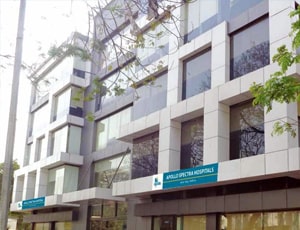
Apollo Spectra Hospital
Pune, India
Apollo Spectra Hospital located in Pune, India is accredited by JCI. Also listed below are some of the most prominent infrastructural details:
- Present in a 30000 sq. ft. area
- 5 beds are for critical care
- 5 ultra-modern modular OTs
- World class rehabilitation center
- In-house pharmacy
- Beautifully designed In-patients waiting area
- 80 plus healthcare professionals which also includes 45 specialist consultants

Max Smart Super Speciality Hospital
Delhi, India
- Max Smart Super Speciality Hospital, Saket, New Delhi, is a 250-bed tertiary care hospital known for advanced medical technology and patient-centred care.
- The hospital offers services across 22+ specialities, including Cardiac Sciences, Orthopaedics, Urology, Neurology, Neurosurgery, Paediatrics, Obstetrics, and Gynaecology.
- It is a regional hub for complex procedures such as neurovascular interventions, targeted cancer treatments, heart surgeries, kidney and liver transplants, and bariatric care.
- Equipped with a 3.0 Tesla MRI, 256 Slice CT Angio, Cath Labs, Digital Orthopaedic Suite, and advanced diagnostic tools, and supported by 275+ doctors and 606+ trained staff, Max Smart Saket provides high-quality, multidisciplinary care for domestic and international patients.
Our Services to better your experience
Opinion & Option
We submit the most accurate opinion and options from one or more countries for your review
Consult Privately
Consult with a certified specialist privately on our telemedicine platform even before you decide to travel
Logistics
We handle flights, visas, transfers, and accommodation—so you can focus on your health.
Recovery
Our In-house rehabilitation service packages to better your recovery and treatment outcome
Why Choose India for Nasal Polyps Treatment?
- Experienced ENT and Rhinology Specialists: Major Indian hospitals may provide access to ENT specialists and rhinologists experienced in managing chronic sinus disease and recurrent nasal polyps.
- Advanced Diagnostic Facilities: Many centres offer nasal endoscopy, CT of the paranasal sinuses, MRI when required, allergy evaluation, and other investigations to determine the extent and underlying factors associated with nasal polyps.
- Minimally Invasive Treatment Options: Selected hospitals provide functional endoscopic sinus surgery and other endoscopic techniques for patients who do not obtain adequate relief from medical treatment.
- Comprehensive Medical Management: Patients may have access to intranasal corticosteroids, systemic treatment when appropriate, biologic therapy for selected severe CRSwNP, allergy and asthma management, and postoperative follow-up within a multidisciplinary care pathway.
- International Patient Support: Major Indian hospitals may provide medical-record review, specialist coordination, treatment scheduling, visa and travel assistance, accommodation support, interpretation, and follow-up services for international patients.