Morbid Obesity Treatment in Thailand
- Top Accredited Hospitals
- Global Medical Standards
- Cutting-Edge Technology
- Proven Treatment Options
- High Success Rate
- Trusted by Millions

What is Morbid Obesity?
Severe or morbid obesity, also known as class III obesity, is a chronic condition involving excess body fat that can significantly affect health and daily functioning. In adults, it is commonly defined as a body mass index (BMI) of 40 kg/m² or higher. BMI is a screening measure and does not fully reflect body composition, fat distribution, or individual health risk, so clinicians also consider waist circumference, metabolic health, functional status, and obesity-related complications. Severe obesity can increase the risk of conditions such as type 2 diabetes, cardiovascular disease, obstructive sleep apnoea, fatty liver disease, osteoarthritis, and certain cancers.
What is the Importance of Timely Treatment?
Early, individualised management of severe obesity can help reduce the risk of type 2 diabetes, cardiovascular disease, high blood pressure, obstructive sleep apnoea, fatty liver disease, osteoarthritis, kidney disease, and other complications. Treatment may also improve mobility, sleep, physical functioning, and quality of life.
What are the Common Symptoms of Morbid Obesity?
- Excessive body weight and increased abdominal fat
- Difficulty walking, climbing stairs, or performing daily activities
- Breathlessness during physical activity
- Snoring or symptoms of obstructive sleep apnea
- Excessive daytime sleepiness or fatigue
- Joint, knee, hip, or back pain
- Reduced physical endurance
- Excessive sweating or heat intolerance
- Skin-fold irritation or recurrent skin infections
- Gastroesophageal reflux symptoms
- Difficulty sleeping
- Reduced mobility or physical independence
- Symptoms related to diabetes, high blood pressure, fatty liver disease, or cardiovascular disease
Causes and Risk Factors of Morbid Obesity
Causes
- Severe obesity usually develops through multiple interacting factors rather than a single cause.
- These may include genetic susceptibility, changes in appetite and energy regulation, dietary patterns, physical inactivity, sleep disorders, psychological and social factors, medications, endocrine disorders, and environmental influences.
- Certain genetic syndromes and medical conditions can cause or contribute to obesity in a smaller proportion of patients.
Risk Factors
- Family history of obesity
- High-calorie or energy-dense dietary patterns
- Physical inactivity
- Sedentary lifestyle
- Sleep deprivation or sleep disorders
- Certain medicines, including some psychiatric, neurological, endocrine, and corticosteroid medicines
- Endocrine disorders such as hypothyroidism or Cushing syndrome
- Insulin resistance and type 2 diabetes
- Psychological and social factors
- Previous unsuccessful weight-loss attempts with subsequent weight regain
- Genetic disorders associated with obesity
- Environmental and socioeconomic factors that limit access to healthy food or physical activity
Latest Research and Technologies in the Treatment of Morbid Obesity in Thailand
- Current approaches include structured nutrition and physical-activity programmes, behavioural support, and anti-obesity medicines, including GLP-1 receptor agonists and other incretin-based therapies where approved and clinically appropriate. Clinicians may consider metabolic and bariatric surgery, including sleeve gastrectomy and Roux-en-Y gastric bypass, for eligible patients based on clinical assessment. Treatment selection depends on obesity severity, associated health conditions, previous treatment response, patient preferences, and local availability.
Treatment options for Morbid Obesity
Gastric Surgery : Surgery may be considered for adults with severe obesity, particularly when significant obesity-related health problems are present or nonsurgical treatment has not produced adequate or sustained results. Common procedures include sleeve gastrectomy and Roux-en-Y gastric bypass.
Cost Start From 9500Explore Options
- Clinical assessment:
- Medical and Obesity History: Evaluation includes weight history, previous weight-loss attempts, dietary patterns, physical activity, sleep, medications, family history, medical conditions, eating behaviours, psychological factors, and previous bariatric or obesity treatments.
- Anthropometric Assessment: Measure height, weight, BMI, waist circumference, and, when appropriate, body composition to characterise the severity and distribution of excess body fat.
- Metabolic Assessment: Assess blood pressure, fasting glucose or HbA1c, lipid profile, liver function, kidney function, and other laboratory investigations to identify obesity-related metabolic complications.
- Assessment of Obesity-Related Complications: Patients may be evaluated for type 2 diabetes, hypertension, cardiovascular disease, obstructive sleep apnea, fatty liver disease, osteoarthritis, kidney disease, gastroesophageal reflux, and other conditions associated with severe obesity.
- Imaging Tests:
- Abdominal Ultrasound: May be used to assess fatty liver disease, gallstones, or other abdominal conditions when clinically indicated.
- Echocardiography: May be recommended when symptoms or risk factors suggest cardiovascular disease.
- Body Composition Assessment: Bioelectrical impedance or other body-composition techniques may be used in selected patients to estimate fat and lean mass.
- Upper Gastrointestinal Evaluation: Consider endoscopy or other gastrointestinal investigations before bariatric surgery or when reflux and other gastrointestinal symptoms require evaluation.
- Additional Imaging: CT, MRI, vascular imaging, or other investigations may be recommended when obesity-related complications or specific symptoms require further assessment.
MediRehab (a chain of Rehab centres, part of MediGence) provides comprehensive tele-rehabilitation services designed to support Morbid Obesity patients in Thailand. These Services include:
- Physical Activity and Mobility: A gradual, supervised exercise programme can improve strength, endurance, mobility, cardiovascular fitness, and functional independence.
- Musculoskeletal Rehabilitation: Physiotherapy can help address knee, hip, back, or other musculoskeletal problems associated with excess body weight and reduced mobility.
- Medicines for severe obesity are used as part of comprehensive weight-management programmes rather than as a replacement for lifestyle measures. Depending on individual eligibility, options may include GLP-1 receptor agonists, other incretin-based anti-obesity therapies, and other approved weight-management medicines. Treatment selection depends on BMI, obesity-related complications, response to previous interventions, contraindications, drug interactions, adverse effects, and patient preferences.
Instantly Connect with our Specialists


Hospitals for Morbid Obesity in Thailand
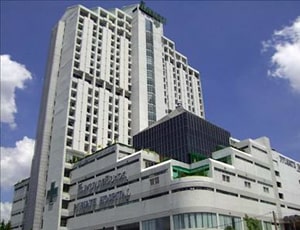
Piyavate Hospital
Bangkok, Thailand
Piyavate Hospital located in Bangkok, Thailand is accredited by JCI. Also listed below are some of the most prominent infrastructural details:
Medicine Centre: Piyavate Hospital provides advanced holistic treatment for their patients. They offer a complete range of services and physicians that specialize in various fields like the endocrine system, the nervous system, kidney function, cardiovascular care, respiratory and digestive system. They pride themselves for the familial care that they provide to their patients.
Fertility and In-Vitro Fertilization Centre: Helping the couples who walk into the Piyavate Hospital to achieve their dream of having a family. They have a medical team that specializes in male and female fertility. They offer consultation services, fertility check-up for both men and women and complete IVF services. They have advanced IVF cycle treatment facilities that offer a high rate of success.
Bone and Joint Institute: Piyavate Hospital houses one of the frontrunners in Orthopaedic health care in all of SouthEast Asia. They offer a wide range of services and surgeries in their bone and joint institute that include hand surgery, hip and knee replacement surgery, spinal cord surgery, upper extremity surgery, arthroscopic surgery and sports medicine.
Eye and Lasik Centre: Piyavate Hospital is fully equipped with the latest and most advanced technology for eye care and houses highly skilled ophthalmologists, sub-specialists and qualified nurses.
Physical Therapy and Rehabilitation Centre: One of the first hospitals to be equipped with the Hybrid Assistive Limb technology that will help a neurologically challenged patient to control the rehabilitation robot limb with a signal from their brain. The Physical Therapy and Rehabilitation Centre at Piyavate Hospital uses this system encourage patients to regain muscle memory to walk and function normally.
Amenities for Patient’s Family:
Piyavate Hospital also offers additional apartment facilities to house the kin of the patients who come to visit them from distant places. A restaurant, a flower shop and a café are a few of the other amenities provided by the hospital.
These are the most popular services offered by the Piyavate Hospital in Bangkok, Thailand. They also provide a plethora of other medical services that are listed below:
Diabetic Foot Centre
Check-up centre
Urology Centre
Heart Institute
Paediatric Centre
Obstetrics and Gynaecology Centre
Surgery Centre
Ear Nose Throat Centre
Haemodialysis Centre
Dental Centre
X-Ray Centre
Gastroenterology Centre
Cancer Centre
Neonatal Intensive Care Unit (NICU)
Emergency Services and Centre
Tele-medicine

Asia clinic thonglor
Bangkok, Thailand
- A wide range of services in cosmetic surgery, skincare, wellness, and weight control.
- Experienced doctors and specialists with medical licenses and expert training.
- Use of trusted, approved products and techniques that meet global safety standards.
- Non-surgical beauty options include facial lifting, wrinkle care, and skin treatments.
- Health screening packages that check for hormones, allergies, and early signs of disease.
- Private recovery rooms are designed for comfort and relaxation after treatments.
- Additional conveniences include a café, free Wi-Fi, and clean, modern surroundings.
- Friendly staff who speak Thai, English, and Turkish for easier communication.
- A central location inside Marché Thonglor, a well-known health and lifestyle complex.
- Services for adults only, with about 1,500 people visiting each year.
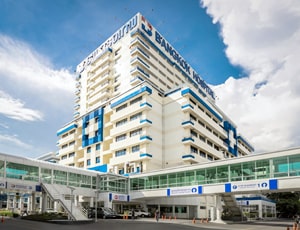
Bangkok Hospital
Bangkok, Thailand
Bangkok Hospital located in Bangkok, Thailand is accredited by JCI. Also listed below are some of the most prominent infrastructural details:
- It is recognised for the application of the newest healthcare technology.
- Blood analysis center that is not just the best in Thailand but in Asia Pacific as well.
- Biomolecule center that is the seed of healthcare equipment for Thailand and overseas.
- International affiliations and collaborations with universities and hospitals in Japan and the United States of America.
- 11 hospitals are recognised as Centers of Excellence.
- Known excellence in Trauma, Orthopedics, Cardiovascular, Neurology as well as Cancer Care.
- There is a proper streamlined patient services process followed in Bangkok Dusit Medical Services, Bangkok, Thailand.
- A well developed research center showcases the intent of the organisation to provide research based treatment opportunities to the patients.
- The group has several Medical industry partnerships as well to ensure healthcare solutions.
Our Services to better your experience
Opinion & Option
We submit the most accurate opinion and options from one or more countries for your review
Consult Privately
Consult with a certified specialist privately on our telemedicine platform even before you decide to travel
Logistics
We handle flights, visas, transfers, and accommodation—so you can focus on your health.
Recovery
Our In-house rehabilitation service packages to better your recovery and treatment outcome
Why Choose Thailand for Morbid Obesity Treatment?
- Multidisciplinary Obesity Care: Major Thai hospitals may provide coordinated care involving bariatric surgeons, endocrinologists, diabetologists, dietitians, psychologists, physiotherapists, and other specialists.
- Advanced Diagnostic Facilities: Patients may have access to metabolic testing, cardiovascular assessment, sleep studies, liver and kidney evaluation, nutritional assessment, and imaging when clinically indicated.
- Modern Weight-Loss Treatments: Selected centres provide medical weight management, newer anti-obesity medicines, endoscopic procedures, and metabolic or bariatric surgery for appropriately selected patients.
- Comprehensive Bariatric Surgery Programs: Specialist centres may provide preoperative assessment, minimally invasive bariatric procedures, postoperative nutritional monitoring, rehabilitation, and long-term follow-up.
- International Patient Support: Major Thai hospitals may provide medical-record review, specialist coordination, treatment scheduling, visa and travel assistance, accommodation support, interpretation, and follow-up services for international patients.
Frequently Asked Questions

Reviewer

Dr. Ashish George
Gastroenterologist
18 Years of Experience
Dr. Ashish George is one of the leading names in HPB surgery & liver transplantation and has about 18+ years of experience.He is a principal consultant & unit head of liver transplant at Fortis Shalimar Bagh. View More
Last Reviewed - January 2026