Merkel Cell Carcinoma Treatment in India
- Top Accredited Hospitals
- Global Medical Standards
- Cutting-Edge Technology
- Proven Treatment Options
- High Success Rate
- Trusted by Millions

What is Merkel Cell Carcinoma?
The Merkel cells, which are located at the base of the epidermis (the outermost layer of the skin), are the source of Merkel cell carcinoma (MCC), an uncommon and aggressive form of skin cancer. These cells contribute to touch perception and are linked to nerve endings. When MCC develops on sun-exposed skin, it usually appears as a rapidly growing, painless nodule on the face, head, or neck.
What is the Importance of Timely Treatment?
Due to its high level of aggression and ability to spread quickly to other regions of the body (metastasise), Merkel Cell Carcinoma (MCC) must be treated promptly. Treatment effectiveness and better results are more likely to occur when the earlier MCC is identified and treated. Postponing treatment might cause the cancer to spread, making it harder to manage and decreasing the chances of survival.
The patient's quality of life can be significantly enhanced, metastases can be avoided, and the possibility of recurrence can be reduced with early intervention, usually through surgery, radiation, or immunotherapy.
Early identification and treatment are crucial for MCC patients to have the best chance of recovery.
What are the Common Symptoms of Merkel Cell Carcinoma?
- A fast-growing, painless bump on the skin.
- The nodule may vary in appearance and colour, mainly red, blue or purple.
- A bump tends to grow rapidly for weeks to months.
- It is mainly found on sun-exposed areas such as the face, head, neck, and arms but can appear anywhere on the body.
- The bump may have asymmetrical borders and an uneven shape.
Causes and Risk Factors of Merkel Cell Carcinoma
The exact cause of Merkel cell carcinoma (MCC) isn't completely understood, but several factors are involved in its development:
Causes
- Merkel Cell Polyomavirus (MCV) is found in the cancer cells of 80% of people suffering from MCC.
- UV Radiations
- Genetic Mutations
Risk Factors
- Older Age
- Fair Skin
- Excessive Sun exposure
- Weekend immune system due to chronic lymphocytic leukaemia, HIV & AIDS or other conditions.
- History of other skin cancer
- Undergoing phototherapy, or light therapy, to treat skin conditions, including psoriasis.
Connect with our advisor for a PRIORITY response
Latest Research and Technologies in the Treatment of Merkel Cell Carcinoma in India
Recent advancements in the prevention and treatment of Merkel Cell Carcinoma have been promising, particularly concerning photodynamic therapy (PDT). PDT is a less intrusive treatment with fewer side effects that targets and kills cancer cells using light-sensitive medications and a unique light source. India is at the forefront of innovative skin cancer treatments, leveraging nanotechnology and cellular biotechnology to enhance therapeutic outcomes. Nanotechnology, with its use of nanoparticles, offers precise drug delivery systems that target cancer cells while minimising side effects. The latest research on MCC treatment in India includes sophisticated radiation techniques, immunotherapies, and targeted therapeutics.
These developments provide more effective, individualised treatment plans, improving patients' quality of life and survival rates.
Merkel Cell Carcinoma Prevention Tips
Taking proactive steps to shield your skin from damaging UV rays and preserving the general health of your skin is key to preventing MCC. Here are some tips:
Sun Protection
- Use sunscreen of a broad-spectrum with an SPF of not less than 30, even on cloudy days or while working indoors in front of laptops or computers.
- Wear protective clothing
- Stay in the shade when the UV radiation peaks from 10 am to 4 pm.
- Avoid tanning beds. Instead, use a cosmetic spray tan.
Regular Skin Checks
- Check for new moles or changes to existing ones on your skin regularly. Use the ABCDE rule to find suspect areas: Color change, asymmetry, uneven borders, diameter greater than 6 mm, and evolution.
- Schedule a Skin examination with a dermatologist, especially if you have a family history of MCC.
Healthy Lifestyle
- Maintain a balanced diet rich in fibres that include fruits, vegetables and antioxidants for overall skin health. Drink plenty of water or water containing fruits for skin hydration.
Treatment options for Merkel Cell Carcinoma
Generally, Merkel cell carcinoma (MCC) treatment depends upon your overall health and its stage.
Mohn Surgery: It's a precise procedure that preserves as much healthy tissue as possible while removing the tumour and skin layers.
Wide Local Excision: This procedure removes the tumour and some surrounding healthy tissue.
Lymphadenectomy (Lymph Node Dissection): Lymph nodes are removed if the cancer has spread to them.
Immunotherapy : Immunotherapy restores your immune system to help fight the cancer.
Cost Start From USD 3000 - USD 5000Explore Options
Radiation Therapy- Treatments using high-energy rays to target cancer cells and reduce tumour size are known as radiation therapy.
Chemotherapy : Advanced or metastatic MCC may be treated with conventional chemotherapy medications, although these are less frequently utilised than immunotherapy or targeted therapy. Chemotherapy kills cancer cells that divide quickly and can be given orally or intravenously.
Cost Start From USD 600 - USD 700Explore Options
Clinical Evaluation
- Medical History: Assemble information about symptoms, medical history and risk factors involved.
- Physical Examination: Check for the signs of unusual moles or skin colour changes.
Imaging Studies
- Dermoscopy
- CT Scan
- PET Scan
- X-ray
- Magnetic Resonance Imaging
Biopsy
- Excisional Biopsy
- Punch Biopsy
- Shave Biopsy
MediRehab (chain of Rehab centres - Part of MediGence) that provides comprehensive rehabilitation services designed to support MCC patients in India. These services include:
- Lifestyle changes and modification: Dietary adjustments and supplements shall make lifestyle changes and tailored meal plans to control symptoms and guarantee adequate nourishment. Lifestyle adjustments and modifications involve modifying long-term habits, especially those related to nutrition, such as gradually adding high-fibrous diets like vegetables, fruits, and lean proteins to support overall health, avoiding alcohol, and managing stress to enhance health and well-being. The practice of yoga and meditation helps reduce stress and improve mental well-being.
- Physical Rehabilitation: Post Mohn surgery, especially if a large area of skin is removed or lymph nodes are involved, physical rehabs like PT increases strength, flexibility and movement of the affected region. Scar management helps in managing scars and contractures.
- Lymphedema Management: Lymphedema, or swelling brought on by fluid accumulation, can happen if lymph nodes are removed during MCC treatment, particularly in the arms or legs. Manual lymph exercises are performed to promote fluid movement.
MediGence can assist and guide you in selecting the best physician and medical facility for your care.
Depending on the circumstances, your doctor might recommend medication to help manage your symptoms and complement the course of treatment.
Instantly Connect with our Specialists


Hospitals for Merkel Cell Carcinoma in India

Venkateshwar Hospital
Delhi, India
Venkateshwar Hospital located in New Delhi, India is accredited by NABH. Also listed below are some of the most prominent infrastructural details:
- The hospital has the latest healthcare facilities and world class infrastructure.
- It has a 325 bed capacity and 100 beds for critical care.
- There are as many as 10 operation theatres.
- The Intensive Care Unit and blood bank is also present within the hospital.
- There is complete support for international patients with facilities such as transfers, assistance for visa and accommodation, translators and insurance related assistance.
- Some of the departments in which medical services are available are Plastic and Reconstructive Surgery, Orthopedics, Gynecology, Cardiology, Neurology and Oncology.
- The hospital also provides treatment for infertility, weight loss and has physiotherapy and pain management services.
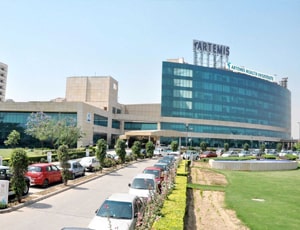
Artemis Health Institute
Gurgaon, India
Artemis Hospital, established in 2007 in Gurgaon, India, is a 750+ bed, state-of-the-art multi-speciality hospital and the first in Gurgaon accredited by JCI and NABH. A flagship of the Apollo Tyres Group, it offers advanced care across cardiology, oncology, orthopaedics, neurology, and transplant medicine, supported by modern infrastructure and 60+ world-class operating theatres. Its Centres of Excellence span critical areas like heart, cancer, neurosciences, orthopaedics, and women & child care. Guided by values of Service, Compassion, and Integrity, Artemis combines innovation, technology, and affordability, making it a trusted international healthcare destination for comprehensive and compassionate patient care.
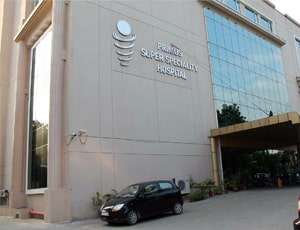
Primus Super Speciality Hospital
Delhi, India
Primus Super Speciality Hospital located in New Delhi, India is accredited by NABH. Also listed below are some of the most prominent infrastructural details:
- There are as many as 130 hospital beds.
- The total number of hospital beds is inclusive of the 18 ICU Beds in Primus Hospital.
- Operation theatres in the hospital have been equipped with the latest technologies.
- There is 24/7 hour emergency and trauma response and care.
- 64 slice spirals as well as Cardiac CT Scan are present.
- International patient care facilities are available such as accommodation, flight booking, airport transfer, and interpreters.
Our Services to better your experience
Opinion & Option
We submit the most accurate opinion and options from one or more countries for your review
Consult Privately
Consult with a certified specialist privately on our telemedicine platform even before you decide to travel
Logistics
We handle flights, visas, transfers, and accommodation—so you can focus on your health.
Recovery
Our In-house rehabilitation service packages to better your recovery and treatment outcome
Why Choose India for Treatment of Merkel Cell Carcinoma?
- World-Class Healthcare Facilities: India's modern hospitals and medical facilities have the newest technologies to spot and treat rare cancers like MCC. Many hospitals have dedicated Dermatology departments for skin care and surgery for MCC with experienced and skilled oncologist surgeons.
- Affordable Treatment: India offers MCC treatment at a substantially lesser cost than many Western nations without sacrificing care quality. Patients who receive top-notch care should anticipate significant cost reductions on everything from Mohs surgery to cutting-edge treatments like radiation and immunotherapy. India is a well-liked medical tourism destination because of this cost advantage.
- Comprehensive Treatment Options: India provides a holistic approach to treating MCC, including immunotherapy, targeted treatments, radiation therapy, and surgical resection. New developments like gene treatments and tailored therapy are becoming more widely available to treat MCC better.
- Advanced Diagnostic tools: Advanced diagnostic treatments like Lymphadenectomy and Mohs Surgery are available in Indian hospitals to ensure precise diagnosis and treatment planning.
- Post-Treatment and Rehabilitation Care: Patients with MCC can receive complete rehabilitation programs in India that include mental support, dietary counselling, and physical therapy. Patients who receive ongoing care and follow-up services are guaranteed access to the emotional support and monitoring they require while recovering.
Frequently Asked Questions
Depending on the size of the tumour, the stage at diagnosis, and the extent of the cancer's spread, a person with Merkel Cell Carcinoma (MCC) may have a shorter life expectancy.
After radiation therapy and surgery, the prognosis for early-stage MCC is generally good, with a high survival rate. Despite recent dramatic improvements in survival rates due to immunotherapy and targeted treatments, the outlook for advanced or metastatic MCC can be more cautious.
Localised MCC has a 5-year survival rate of 60–80% overall, whereas advanced stages have a lower survival rate.
The diagnosis stage, treatment type, and unique patient characteristics all affect the success rate of Merkel cell carcinoma (MCC) treatment in India.
Localised MCC has a survival rate of over 90%, and the 5-year survival rate for early-stage MCC is often relatively high, comparable to global figures.
The survival percentage for regional MCC is lower, at 60–70%, when cancer has spread to nearby lymph nodes.
The survival rate for advanced-stage MCC is significantly lower, usually between 20 and 30 %, when the cancer has spread to distant organs.
Among skin cancers, Merkel cell carcinoma (MCC) is relatively uncommon in India. It is more prevalent in skin regions exposed to sunlight and mainly affects older people. Because of its aggressive nature and metastatic potential, MCC is a serious issue, even if it is not as common as other cancers.
For better outcomes, early detection and prompt treatment are needed.
MCC, or Merkel cell carcinoma, is characterised by its aggressiveness and quick proliferation. In addition to distant organs like the brain, liver, lungs, and bones, it can swiftly spread to neighbouring lymph nodes. Controlling the spread and enhancing results depend heavily on early detection and timely treatment.
Curing Merkel cell cancer (MCC) is possible, mainly if diagnosed early and treated. With a greater chance of successful treatment, the prognosis for localised MCC is better. However, when the cancer advances to more advanced stages, the likelihood of a cure declines.
Localised MCC has a 5-year survival rate above 90%, while early-stage MCC often has a relatively high 5-year survival rate.
The survival rate is between 60 and 70% for regional MCC, where cancer has disseminated to neighbouring lymph nodes.
The survival percentage for advanced-stage MCC, where the disease has spread to distant organs, is significantly lower and usually between 20 and 30 %.
In India, recovery times following Merkel cell carcinoma (MCC) surgery can differ depending on the procedure's scope and personal circumstances. Recovery from localised MCC typically takes a few weeks. Recovery could take longer, possibly several months, if lymph nodes are affected and further surgery or radiation therapy is needed.

Reviewer

Dr. Mohit Agarwal
Medical Oncologist
14 Years of Experience
One of the finest Oncologist in New Delhi, India, Dr. Mohit Agarwal has worked with several world class multidisciplinary hospitals over the years. Dr. Mohit Agarwal has over 14+ years of experience in his field. The doctor treats and manages a wide range of conditions such as Stomach Cancer, Rectal Cancer, Breast Cancer, Brain Cancer View More
Last Reviewed - January 2026