Meningioma Treatment in India
- Top Accredited Hospitals
- Global Medical Standards
- Cutting-Edge Technology
- Proven Treatment Options
- High Success Rate
- Trusted by Millions

What is Meningioma?
A meningioma is a tumour that develops from the meninges, the membranes enveloping the brain and spinal cord. Although it may pressure the surrounding brain, nerves, and veins, a meningioma is not a brain tumour. The most common type of tumour that develops in the head is meningioma.
The majority of meningiomas develop relatively slowly. They may develop without showing any symptoms over many years. However, they may sometimes seriously impair surrounding brain tissue, nerves, or arteries.
What is the Importance of Timely Treatment?
Early meningioma treatment depends on reducing prognosis, neurological consequences, and tumour growth. Early treatment reduces headaches, seizures, and intellectual impairment with treatment by radiation therapy or surgery that also prevents permanent brain damage. Improved quality of life and more significant potential for complete recovery are long-term benefits of the tumour's earlier treatment before the tumour gets large or becomes malignant. This also makes the removal more likely to be successful and decreases the risk of recurrence.
What are the Common Symptoms of Meningioma?
Meningioma symptoms tend to begin slowly. Initially, they may be hard to detect. The position of the meningioma in the brain can influence the symptoms. In some instances, it can be in the spine. Symptoms may include:
- Changes in vision, such as blurring or double vision.
- Worse morning headaches.
- Ringing in the ears or hearing loss.
- Loss of memory.
- Loss of odours.
- Seizures.
- Weakness in either the arms or legs.
- Difficulty speaking.
Causes and Risk Factors of Meningioma
Causes
The aetiology of meningioma is unknown. However, specialists know that some meningeal cells are changed, causing them to grow uncontrollably and form a meningioma.
The single environmental risk factor known for meningioma is exposure to childhood radiation. There is no concrete evidence that using a cell phone leads to meningiomas.
Risk Factors
- Age
- Gender
- Radiation Exposure
- Genetic Factors
- Hormonal Factors
- Underlying Medical Conditions
Connect with our advisor for a PRIORITY response
Latest Research and Technologies in the Treatment of Meningioma in India
Some of the latest developments in meningioma treatment in India involve the application of advanced technologies, such as CyberKnife radiation therapy and targeted therapies, which provide more precise and effective treatment. Research also investigates new approaches, such as CAR-T cell therapy and biomarker identification, which can significantly enhance immune responses and patient outcomes.
Meningioma Prevention Tips
- False
Treatment options for Meningioma
Surgery is the most frequent treatment for symptomatic or large meningiomas. Its goal is to remove as much of the tumour as possible, mainly if it compresses the brain or spinal cord.
Radiation Therapy: Utilized when surgery is not feasible, following surgery to decrease the risk of recurrence or in inoperable tumours. Stereotactic radiosurgery (e.g., Gamma Knife) is usually employed to destroy small tumours permanently.
Gamma Knife is stereotactic radiosurgery with highly focused radiation directed at treating meningiomas where surgery is not feasible or the tumour cannot be surgically removed. Gamma Knife delivers accurately targeted high doses of radiation directly to the tumour with minimal impact on adjacent brain tissue.
Cost Start From USD 4000 - USD 7000Explore Options
Brachytherapy: Radiotherapy, also known as brachytherapy, treats numerous malignancies. During treatment, radioactive seeds, capsules, or implants are placed surgically inside or near the tumour.
Cost Start From USD 1500 - USD 3260Explore Options
- MRI is the most successful and widely used imaging method for diagnosing meningiomas. It creates detailed brain and spinal cord images that reveal any surrounding tissue's size, location, and encroachment.
- Computed Tomography (CT) Scan: In the absence of or if MRI is unsuitable for the patient, a CT scan is often used to identify malignancies, particularly in emergencies.
- PositronEmissionTomography(PET)Scan: This imaging technique appropriately assesses metabolic activity and tumour growth, helping to determine the tumour's aggressiveness.
- Biopsy: To confirm the diagnosis and determine whether the tumour is benign or malignant, a tissue sample can be removed from it through either surgery or needle biopsy.
MediRehab (chain of Rehab centres - Part of MediGence) provides comprehensive rehabilitation Services designed to support Meningioma patients in India. These services include:
- Physical Therapy: To assist the patient in restoring strength, enhancing mobility, and regaining motor skills if the tumour impacts movement or coordination.
- OccupationalTherapy assists patients in daily activities and restores independence, particularly if the tumour has affected fine motor skills or cognitive function.
- Speech and Language Therapy: For patients with speech, language, or swallowing problems, speech therapy may assist with swallowing and communication disorders.
- CognitiveRehabilitation: Cognitive therapy could restore memory, attention, or executive functioning if the tumour or its treatment impaired these psychological processes.
- Neuropsychological Support: To deal with emotional, psychological, or behavioural modifications produced by the tumour or its therapy, such as anxiety, depression, or alterations in personality.
- Depending on the situation, your healthcare professional may prescribe medicine to help control your symptoms and support the treatment plan.
Instantly Connect with our Specialists


Hospitals for Meningioma in India

Yatharth hospital
Delhi, India
- The hospital features over 400 beds with advanced infrastructure for multi-speciality treatment.
- Much of the facility is dedicated to ICU units with the latest life-saving equipment.
- Advanced medical imaging systems include a 64-slice cardiac CT scanner, a dual-head gamma camera, a 16-slice PET-CT scanner, and a fan-beam bone density scanner (BMD).
- The radiology setup operates through a fully integrated RIS-HIS system for smooth diagnostics and reporting.
- The hospital offers high-resolution colour Doppler ultrasound systems for precise vascular and soft tissue imaging.
- The cardiology wing is equipped with a Philips FD20/10 cath lab, enhanced by modern stent-boost imaging technology.
- Cutting-edge tools, such as optical coherence tomography (OCT), intravascular ultrasound (IVUS), and fractional flow reserve (FFR), support advanced heart diagnostics.
- Facilities include rotablator technology for hardened arteries and an Ensite Velocity cardiac mapping system for complex arrhythmias.
- A fully functional hybrid endovascular suite supports combined surgical and interventional heart procedures.
- The ICU and NICU areas feature high-frequency ventilators, central pressure monitoring, and advanced bedside diagnostic tools.
- Life-support systems include intra-aortic balloon pumps, invasive blood pressure monitoring, and bedside percutaneous tracheostomy.
- Patient safety and comfort are enhanced with temperature-controlled blankets, bedside echocardiography, and mobile X-ray systems.
- Operation theatres are fitted with navigation-assisted systems for knee replacement and MEP monitoring for spine surgeries.
- Fiberoptic bronchoscopes, PCA pumps for pain control, and SSEP monitoring during neurosurgeries enhance surgical precision.

Medanta - The Medicity
Gurgaon, India
Medanta – The Medicity, Gurugram, founded by renowned cardiac surgeon Dr. Naresh Trehan, is a leading multi-super speciality hospital offering advanced yet affordable healthcare. Spread across a 43-acre campus, it houses 1,391 beds, 270 ICU beds, 40 operation theatres, and 900+ doctors across 30+ specialities. Accredited by JCI, NABH, and NABL, Medanta is designed per American Institute of Architects’ healthcare guidelines. Recognised as the Best Private Hospital in India (2020–2025) and among the World’s Top 250 Hospitals (Newsweek 2024), it excels in Cardiac Care, Cancer, Neurosciences, Gastro, Orthopaedics, and Renal Care, ensuring world-class, collaborative, and compassionate treatment.
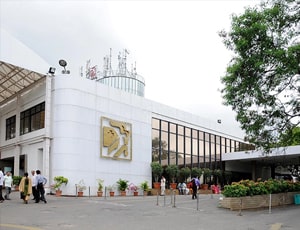
Apollo Hospitals
Hyderabad, India
Apollo Hospitals located in Hyderabad, India is accredited by JCI, NABH. Also listed below are some of the most prominent infrastructural details:
- A premier multi-specialty hospital with 477-bed capacity
- More than 50 specialties, super-specialties
- 12 Centers of Excellence
- The Institutes for Heart Diseases, Neurosciences, Cancer, Emergency, Orthopaedics, Renal Diseases, and Transplants
- Centers of Excellence are known for patient care, training and research
- Doctors with years of truly global experience in healthcare delivery
Our Services to better your experience
Opinion & Option
We submit the most accurate opinion and options from one or more countries for your review
Consult Privately
Consult with a certified specialist privately on our telemedicine platform even before you decide to travel
Logistics
We handle flights, visas, transfers, and accommodation—so you can focus on your health.
Recovery
Our In-house rehabilitation service packages to better your recovery and treatment outcome
Why Choose India for Meningioma Treatment?
India is a Desirable destination for meningioma treatment due to its world-class medical centres, experienced neurosurgeons, and advanced machines such as the Gamma Knife and CyberKnife. The country has personalised care based on every patient and cost-effective treatment options without compromising quality.
Frequently Asked Questions
In India, Meningiomas are not continuously operated on. It is generally recommended if the tumour is large, expanding rapidly, or symptomatic because such situations can interfere with brain function or lead to neurological issues. Still, doctors will opt for regular imaging and surveillance if the tumour is small, expanding slowly, and asymptomatic. Other treatments, such as radiation therapy, can be considered in cases where surgery is not safe or feasible. Several factors, such as the health of the patient and the tumour size and location, affect the decision.
Radiation therapy is used to treat meningiomas where surgery is impossible or to prevent the tumour from recurring after surgery. It benefits malignancies that are hard to reach or recur following removal. The treatment uses focused beams of radiation to slow down or prevent the growth of the tumour. A less invasive alternative to surgery, it may also be used for slow-growing, small, asymptomatic tumours. Radiation therapy suppresses any symptoms and controls the tumour.
In fact, after treatment, meningiomas can recur, especially if they were not entirely removed or were malignant or atypical. Aggressive tumours with large sizes or those that are difficult to access tend to recur. Recurrent atypical (grade II) and malignant (grade III) meningiomas are more frequent than benign ones. To reduce the risk of recurrence, radiation therapy can be given even after surgery. Regular imaging follow-up is sometimes needed to look for any sign of regrowth.
In India, Most people recover entirely after surgery or other treatment, and recovery after treatment of meningiomas is usually good, especially in benign tumours. Malignant or atypical meningiomas can have a variable prognosis because they are more prone to come back and are more aggressive. Many individuals, however, can achieve positive outcomes with the appropriate care, including radiation and surgery.
Meningiomas can cause seizures, mainly if the tumour is located in or near brain areas that control electrical activity. The growth of the tumour can press on surrounding brain tissue, disrupting normal brain function and potentially causing seizures. Seizures are common in patients with meningioma, mainly if the tumour is large or located in an area such as the frontal or temporal lobes.
A balanced diet, consistent light exercise, stress-reduction methods, and enough sleep may improve general health throughout meningioma treatment. Avoiding alcohol and tobacco use can also improve health, and routine medical exams are necessary to monitor tumour progression or recurrence. A few lifestyle changes can help manage symptoms and improve healing.
The Size, position, and overall health of the patient affect recovery after surgery for meningioma in India. It may take several weeks to months to recover completely. Most patients recover in four to six weeks, after which they can gradually return to normal activities. However, a longer time may be required to heal completely, including therapy for neurological issues.
A diagnosis of a person with a meningioma typically has a good prognosis for benign (grade I) tumours, which boast a high success rate of survival and usually cause complete recovery once treated. Whilst atypical (grade II) and malignant (grade III) meningiomas are more predisposed to relapse and, in some cases, can require additional therapy, most individuals can recover if given the proper treatment. The size, position, grade, extent of resection, and overall patient health all influence the overall prognosis.

Reviewer

Dr. Mohit Agarwal
Medical Oncologist
14 Years of Experience
One of the finest Oncologist in New Delhi, India, Dr. Mohit Agarwal has worked with several world class multidisciplinary hospitals over the years. Dr. Mohit Agarwal has over 14+ years of experience in his field. The doctor treats and manages a wide range of conditions such as Stomach Cancer, Rectal Cancer, Breast Cancer, Brain Cancer View More
Last Reviewed - January 2026