Liver Metastases Treatment in Thailand
- Top Accredited Hospitals
- Global Medical Standards
- Cutting-Edge Technology
- Proven Treatment Options
- High Success Rate
- Trusted by Millions

What are Liver Metastases?
Liver metastases are the dissemination of tumor cells from other body parts to the liver. This happens when the tumor cells journey through the blood or lymphatic vessels into the liver. These metastases are not primary cancers. They are secondary because they arose from another organ before their transfer to the liver.
What is the Importance of Timely Treatment?
Prevents Further Spread
Early intervention can usually prevent further spread of the cancer from the liver to the rest of the body or from one site within the liver to another, thus making treatment more difficult.
Improves Prognosis
Early treatment increases the chances of a good prognosis as it helps shrink or control tumors to prolong survival and improve the quality of life.
Maximizes Treatment Effectiveness
Early diagnosis is associated with much better efficacy of chemotherapy, targeted therapy, or surgery because, at that point, the disease is amenable to intervention.
Prevents Complications
It can also help improve any organ dysfunction or jaundice or pain symptoms that had developed owing to untreated liver metastases.
Better Response to Surgery
Early detection of metastases, which have spread to the liver exclusively, could make them amenable to surgical excision of the liver portion involved, thereby offering a chance for cure or long-term control.
What are the Common Symptoms of Liver Metastases?
- Abdominal Pain or Discomfort
- Jaundice
- Unexplained Weight Loss
- Fatigue and Weakness
- Nausea and Vomiting
Causes and Risk Factors of Liver Metastases
Causes
- Spread from Primary Cancer
- Advanced Cancer Stage
Risk Factors
- Advanced Stage of Primary Cancer
- Type of Primary Cancer
- Liver Diseases
- Genetic Factors
- Gender and Hormone
- Immunocompromised State
- Lifestyle Factors
Connect with our advisor for a PRIORITY response
Latest Research and Technologies in the Treatment of Liver Metastases in Thailand
Some of Thailand's finest hospitals employ this SBRT to target liver tumours precisely, concentrating on the specific cancer site with the least side effects possible. RFA-Microwave The targeted approach and immunotherapy are also offered based on genetic markers to ensure individualised care. Advanced genetic profiling helps oncologists devise customised treatment plans for better outcomes. Multidisciplinary tumour boards and access to global clinical trials provide comprehensive care and the latest therapies.
Liver Metastases Prevention Tip:
- Early detection and screening programs ought to be offered to those with a high risk of developing liver metastases, that is, patients with a known history of previous cancers like colorectal, breast, or lung cancer, to help catch tumours before they metastasise to the liver.
- Healthy living habits such as eating a balanced diet, exercising regularly, not smoking, and avoiding excess alcohol consumption can all lower the chances of developing cancers likely to metastasise to the liver.
- Vaccination against hepatitis B and hepatitis C may lower the chance of developing liver cancer, which represents one of the sources of liver metastases.
- Controlling risk factors for primary cancers like obesity, diabetes, and pre-existing liver disorders such as cirrhosis can minimise the risk of cancers where the secondary spread is to the liver.
- Administering treatment as soon as possible to contain primary cancer prevents its spread into the liver. The follow-up after therapy of any primary cancer is primordial for an early diagnosis of metastasis.
Treatment options for Liver Metastases
The medical treatment for Liver Metastases requires evaluating the patient's severity and medical condition. The following are the treatment options:
Hepatectomy involves the surgical removal of part or all of the liver. It is a standard treatment in liver metastases, primarily from colorectal cancer, in an attempt to eradicate the cancer tissue and effect a possible cure.
Radiofrequency Ablation (RFA): This destroys tumours by applying heat to small liver tumours unsuitable for surgical removal.
Chemotherapy : Chemotherapy agents treat the primary cancer and any metastases. The precise agents and regimen depend on the type of primary cancer, which can be targeted therapies selectively binding to a specific set of cancer cells or blood vessels.
Cost Start From USD 1000 - USD 6800Explore Options
Immunotherapy: Immunotherapies such as checkpoint inhibitors have been shown to revive the immune system's recognition and attack on liver metastases, particularly in cancers such as NSCLC, melanoma, and hepatocellular carcinoma.
Cost Start From USD 3000 - USD 13578Explore Options
Stereotactic Body Radiation Therapy (SBRT) : A highly focused radiation treatment for liver metastases. SBRT irradiates high doses of the tumour while sparing adjacent tissue.
Cost Start From USD 3000 - USD 7000Explore Options
Proton Beam Therapy : Another newer and more advanced radiation is currently considered against liver metastases in which less collateral damage can be inflicted than the conventional form of radiation.
Cost Start From USD 32000 - USD 42000Explore Options
CyberKnife Treatment : Using a robotic arm, the treatment sends high-dose radiation beams from various angles to accurately focus on the tumour while sparing surrounding health tissues.
Cost Start From USD 10000 - USD 15000Explore Options
Proton Therapy : Protons are delivered accurately, destroying the tumour effectively while limiting collateral damage to the surrounding normal tissue.
Cost Start From USD 32000 - USD 42000Explore Options
These are the standard diagnostic methods for diagnosing Liver Metastases:
Imaging Studies
- Ultrasound: This is usually the first imaging test for detecting any abnormality in the liver. It helps detect lesions or masses in the liver and guides further investigations.
- CT Scan: A contrast-enhanced CT scan is frequently used to diagnose liver tumours and assess their size, location, and dissemination to other organs. Cross-sectional images of the liver can be obtained in detail.
- Magnetic Resonance Imaging: This method provides additional images compared with a normal CT scan, concentrating on the blood vessels of the liver, specific areas, and smaller lesions. MRCP (Magnetic Resonance Cholangiopancreatography) is also used to assess bile ducts.
- PET Scan: PET scans can detect multiplying or metabolically active cells. This test helps spread infection or cancer to the liver or elsewhere.
- Endoscopic Ultrasound (EUS): In EUS, an ultrasound probe is inserted through the gastrointestinal tract to visualise the liver and its neighbouring structures closely. This is often used to guide biopsies of liver lesions that are not easily reached through other methods.
Blood Tests
- Liver Function Tests: Blood tests assess liver function by measuring liver enzymes like ALT, AST, and alkaline phosphatase. Increased liver enzymes usually signify liver injury or cancer.
- Tumour Markers: Blood tests for tumour markers like CEA (Carcinoembryonic Antigen) and CA 19-9 are performed mainly in colorectal or pancreatic cancer, where potential elevations indicate liver metastases.
- Alpha-fetoprotein (AFP): High levels of this chemical substance may suggest liver settings, either due to the cancer per se or as metastases from a primary like hepatocyte carcinoma.
Biopsy
- Needle Biopsy: Sometimes, a needle biopsy is performed for diagnostic confirmation. A needle is used to obtain a small piece of liver tissue for microscopic examination. It helps to confirm whether the lesion is metastatic cancer and to determine its origin.
MediRehab (a chain of Rehab centres, part of MediGence) provides comprehensive rehabilitation services to support patients through Teleconsulations and online therapy sessions.
Physical rehabilitation
Physical therapy and exercise programs are expected to develop an individual's strength, mobility, and general endurance. Their rehabilitation action refers to the functional restoration of patients after liver resections and ablation treatments.
Lifestyle Modifications
Mainly concerned with nutritional consultation for managing weight loss diet and digestive problems, proper hydration, and maintaining liver function with a well-balanced, nutrient-dense diet.
Psychological Support
Psychological counselling and support groups give emotional support to the patient in dealing with anxiety and stress. Mindfulness and relaxation techniques can help reduce emotional strain.
Management of Pain and Symptoms
Palliative care specialists will help relieve pain and manage symptoms such as nausea. Other comfort-enhancing therapies may include acupuncture and massage.
Occupational Therapy and Monitoring
Occupational therapists assist with activities of daily living and recommend adaptive equipment. Regular reviews and liver function tests ensure that the ongoing treatment and complication management are effective.
Instantly Connect with our Specialists


Hospitals for Liver Metastases in Thailand
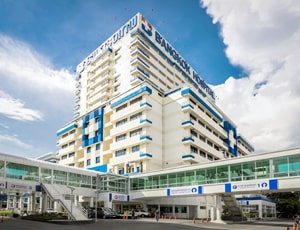
Bangkok Hospital
Bangkok, Thailand
Bangkok Hospital located in Bangkok, Thailand is accredited by JCI. Also listed below are some of the most prominent infrastructural details:
- It is recognised for the application of the newest healthcare technology.
- Blood analysis center that is not just the best in Thailand but in Asia Pacific as well.
- Biomolecule center that is the seed of healthcare equipment for Thailand and overseas.
- International affiliations and collaborations with universities and hospitals in Japan and the United States of America.
- 11 hospitals are recognised as Centers of Excellence.
- Known excellence in Trauma, Orthopedics, Cardiovascular, Neurology as well as Cancer Care.
- There is a proper streamlined patient services process followed in Bangkok Dusit Medical Services, Bangkok, Thailand.
- A well developed research center showcases the intent of the organisation to provide research based treatment opportunities to the patients.
- The group has several Medical industry partnerships as well to ensure healthcare solutions.

Vejthani Hospital
Bangkok, Thailand
Vejthani Hospital located in Bangkok, Thailand is accredited by NABH, NABL. Also listed below are some of the most prominent infrastructural details:
- It is among the topmost private hospitals functioning in Thailand.
- The bed capacity of the hospital is 263.
- There are more than three hundred thousand patients visiting the hospital every year.
- Vejthani hospital has more than 40 outpatient clinics and centers.
- International patient care center with all kinds of services: air ambulance, transfers, travel, stay, embassy liaison, patient coordinators, prayer rooms, visa coordination and translators for 20 languages.
- The special facilities are:
- International Certified Laboratory
- 10 Operating Rooms
- Radiology Section: Portable X-ray, CT-scan and C-ARM and MRI
- Neonatal Critical Care Unit
- Water-jet technique applied for liposuction
- Computer navigation and mini-invasive technique for Joint Replacement surgery

Bangpakok 9 International Hospital
Bangkok, Thailand
Bangpakok 9 International Hospital located in Bangkok, Thailand is accredited by JCI. Also listed below are some of the most prominent infrastructural details:
- It would be prudent to summarise the Medical Services provided at the Bangpakok 9 International Hospital (BPK 9), Bangkok, Thailand:
- Cosmetic Dentistry
- Dental Implants
- Electrocardiogram (EKG or ECG)
- Exercise Stress Test
- Health Screening
- Laser Vagina Firming
- Pediatric Physical Therapy
- Perfect Slim by Vela II
- Physical Therapy for Musculoskeletal
- Prosthodontics
- The Medical Services are also inclusive of the International Patient Services such as the ones listed here:
- Thai, English, French, Arabic, Chinese, Myanmar, Cambodia, Bangladeshi, Bahasa and Tagalog are the languages in which there are Translation services available for International Patients.
- Visa extension related assistance
- International health insurance related assistance
- Embassy and international organizations related assistance
- A variety of meals of choice for International Patients
- Email consultation services
- Transfer to either airport and/or hotels
- Prayer room
- Four different types of rooms are available such as Deluxe room, two kinds of suites, and a VIP suite.
- Hospital facilities like The Coffee shop, Food Hall, Cafe and Medical Spa.
- Complete health and safety protocols are maintained in the various Medical Centers some of whom are as follows:
- Aesthetic Center
- 24 Hour Emergency Center
- Allergy Center
- Breast Center
- bSmart Center
- Checkup Center
- Dental Center,
- Happy Long Life Center
- Medical Fitness Center
- Psychiatric Center
- Rehabilitation Center
- Sleep Disorders Center
Our Services to better your experience
Opinion & Option
We submit the most accurate opinion and options from one or more countries for your review
Consult Privately
Consult with a certified specialist privately on our telemedicine platform even before you decide to travel
Logistics
We handle flights, visas, transfers, and accommodation—so you can focus on your health.
Recovery
Our In-house rehabilitation service packages to better your recovery and treatment outcome
Why Choose Thailand for Acute Myeloid Leukemia?
The following are the growing reasons for Thailand being frequented for Pancreatic Neuroendocrine Tumor treatment:
World-Class Health Services at Affordable Costs
The nation is proficient in advanced medical technologies and treatments, including high-quality care at often dissimilar cost ratios of Western countries.
Most Qualified Professionals
Patients will find internationally trained, renowned hepatologists, surgeons, and specialists. Medical and individualised treatment options will complement the value of the care provided by the best experts in Thailand.
Complete Medical Services
From advanced diagnostic tools such as elastography and imaging to liver transplants, Thailand has gone the extra mile to provide patients with cutting-edge facilities for total Liver Metastases treatment.
Comfortable Medical Travel
Thailand is becoming a central international hub for medical tourism. Many accredited hospitals provide excellent service to international patients, including easy accessibility, visa assistance, and organised packages.
Holistic Treatment
Most hospitals in Thailand work towards a mainstream plus traditional treatment regime for complete liver health recovery and wellness, thus attending to emotional and physical wellness.
Frequently Asked Questions
Since the treatment depends on the location, size, and number of metastases and the type of primary cancer, treatment may include surgery, chemotherapy, targeted therapy, radiation therapy, and ablation methods, such as radiofrequency ablation (RFA).
Prognosis relies on several factors, such as the type of primary cancer, the degree of liver involvement, and the patient's overall health condition. In many cases, liver metastases are considered advanced cancer; however, treatments can contribute to symptom management and a better quality of life.
Surgical options exist when metastases are otherwise confined to one segment of the liver and can be safely removed. In certain instances, liver transplantation may also be considered.
However, if surgery is not possible, chemotherapy is most often used for the treatment of liver metastases to reduce the size of tumours, provide relief for symptoms, and prevent further spread of cancer.
Chances for a cure in liver metastases are often quite slim and generally represent advanced cancer. However, therapy can assist in controlling the disease, relieving symptoms, and thus prolonging life.
A balanced diet, as much physical activity as possible, stress management, and a commitment to performing prescribed instructions are essential. Continued follow-up examinations, of course, will be paramount for disease monitoring.
Primary liver cancer, or hepatocellular carcinoma (HCC), starts in the liver itself, while liver metastases refer to malignant growths that go from other places to the liver.
The success rates can vary according to the kind of cancer, the stage of cancer, and the type of treatment the patient receives. However, this country is high on targeted therapies, ablations, and exemplary surgical expertise, which have promising survival rates.
Many hospitals provide services for genetic profiling and targeted therapies and purchase pharmaceuticals for individualised treatment, helping to develop therapies with the best therapeutic effects.
Yes, most Thai hospitals offer second-opinion services by experienced oncologists regarding liver metastases and other cancers, allowing patients to know they are following the proper treatment route.

Reviewer

Dr. Mohit Agarwal
Medical Oncologist
14 Years of Experience
One of the finest Oncologist in New Delhi, India, Dr. Mohit Agarwal has worked with several world class multidisciplinary hospitals over the years. Dr. Mohit Agarwal has over 14+ years of experience in his field. The doctor treats and manages a wide range of conditions such as Stomach Cancer, Rectal Cancer, Breast Cancer, Brain Cancer View More
Last Reviewed - January 2026